
How to Design Effective Microlearning Modules for Maximum Engagement
In today’s fast-paced digital world, microlearning modules have emerged as a powerful tool for delivering targeted, bite-sized learning experiences. By condensing details into focused, short segments, organizations can boost learner engagement, enhance knowledge retention, and streamline training processes. But what makes an effective microlearning module? In this comprehensive guide, we share actionable strategies, proven techniques, and practical tips to help you design microlearning content that drives real results.
What is Microlearning?
Microlearning refers to a teaching approach that delivers content in small, easily digestible units.These modules typically last between 3 and 10 minutes,focusing on one learning objective at a time. This method is ideal for busy professionals and mobile learners who need flexible, on-demand access to training.
- Short, focused learning experiences
- Emphasis on single concepts or skills
- Accessible via multiple devices (mobile, desktop, tablet)
- Interactive and multimedia-rich content
Benefits of Microlearning for Engagement
Designing effective microlearning modules offers several distinct advantages, especially when the goal is maximum engagement. Here’s why organizations are rapidly adopting microlearning:
- Enhanced retention: Short lessons reduce cognitive overload,making it easier for learners to absorb and retain information.
- Increased Interactivity: Microlearning modules often leverage quizzes, games, and interactive media, keeping learners actively involved.
- Greater Versatility: Learners can access content anytime,anywhere,fitting learning into their busy schedules.
- Improved Completion Rates: Bite-sized modules mean learners are more likely to finish the content.
Core Principles for Effective Microlearning Module design
Maximizing engagement starts with thoughtful module design. Adhere to the following principles when creating your microlearning content:
- Focused content: Each module should tackle one learning objective. Avoid unneeded details to keep content clear and concise.
- Visual Appeal: use vibrant images, infographics, and brief videos to hold attention and aid comprehension.
- Interactivity: Embed quizzes, drag-and-drop activities, or simulations to encourage active participation.
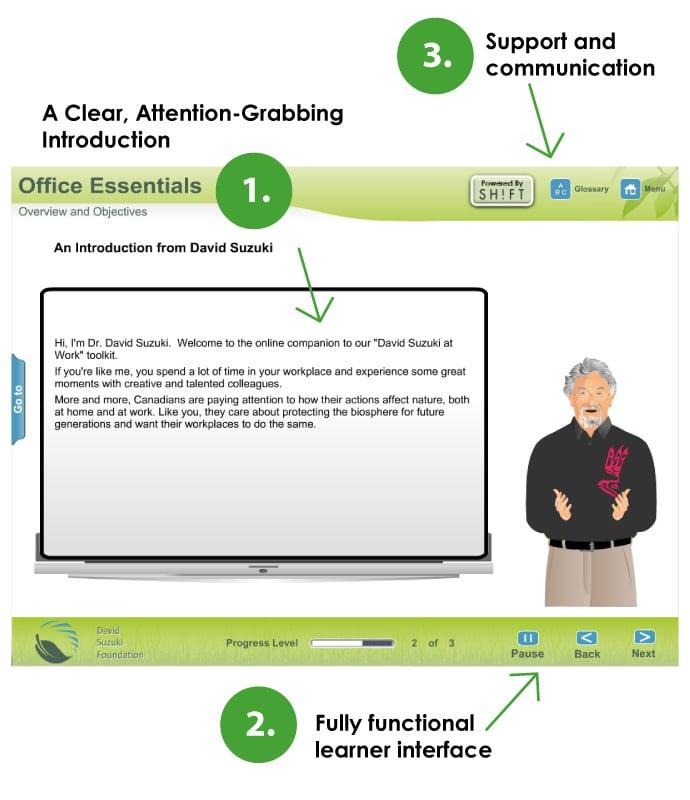
- Clear Navigation: Streamline the user interface so learners can quickly access and complete modules.
- Mobile Optimization: Ensure modules are responsive and easy to use on smartphones and tablets.
- immediate Feedback: Provide instant feedback on exercises to reinforce learning and gauge progress.
Steps to Design Microlearning Modules for Maximum Engagement
Follow these steps to craft compelling microlearning experiences:
1. Identify Learning Objectives
Start by defining specific, measurable learning goals. Each module should answer a single question or teach a single skill for clarity and focus.
2. Analyze Your Audience
Research your target audience’s needs, preferences, and learning styles. Understanding your learners will help you tailor content for optimal engagement and relevance.
- age and experience level
- Preferred device for learning
- Prior knowledge
- Motivational drivers
3.Choose the Right Format
The format should complement your objectives and audience. Popular microlearning formats include:
- Interactive videos
- Infographics
- Flashcards
- Mini-games
- scenario-based exercises
- Short quizzes
4. Create Engaging Content
Write clear, concise copy and use storytelling techniques where possible. Break text into bullet points, and combine content with visuals and audio for multi-sensory engagement.
- Use everyday language and examples
- Add relatable scenarios
- Incorporate humor or surprise elements
5. incorporate Interactivity
Active learning drives engagement. Embed clickable elements, self-assessment tools, and simulated environments to allow hands-on practice.
6. Test and refine
Before rollout, pilot your module with a sample group. Collect feedback and usage data to improve module clarity, usability, and effectiveness.
Practical Tips to boost Microlearning Engagement
- Keep Modules Short: Focus on brevity. Modules should be easily completed in one sitting.
- Chunk Information: Group related ideas to avoid overwhelming learners.
- Gamify learning: Use badges, points, and leaderboards to motivate learners.
- Use Consistent Branding: Maintain uniform design elements for professionalism.
- Personalize Experiences: Allow learners to choose topics or paths relevant to their interests.
- Integrate Social Elements: Encourage sharing, discussions, or peer reviews.
Real-World Case Study: Microlearning in action
Acme Solutions, a global software company, implemented microlearning modules to train their sales team on new product features. By delivering content in five-minute video segments, paired with interactive quizzes, they achieved:
- 40% increase in module completion rates
- 30% improvement in feature knowledge retention
- Positive feedback on learner satisfaction
This example demonstrates how thoughtfully designed microlearning can transform corporate training and empower employees to master new skills faster.
Microlearning Design: First-Hand Experience
As a learning designer, I’ve seen firsthand how microlearning changes the training landscape. For example, when we transitioned from customary 45-minute webinars to interactive, 7-minute microlearning modules, engagement soared. Learners appreciated the flexibility, and immediate feedback mechanisms made it easier to track progress. By continuously iterating based on feedback, we created a enduring loop of improvement and results.
Microlearning and SEO: Why Optimizing Matters
To maximize the reach and impact of your microlearning content, ensure it is SEO-optimized. Naturally incorporate relevant keywords—such as “microlearning modules,” “engagement strategies,” and “online training”—throughout your module descriptions, titles, and meta tags. Additionally, use structured headers (
,
) for clarity and discoverability, and include alt-text for images.
quick SEO Tips for Microlearning Content
- Use long-tail keywords related to online training and microlearning.
- Write magnetic titles and compelling meta descriptions.
- Optimize images for web and mobile loading.
- Ensure accessibility for all learners.
Conclusion: Start Designing Microlearning That Delivers Results
Effective microlearning module design hinges on clarity, interactivity, and focused delivery. By leveraging the core principles and practical tips outlined above, you can create microlearning modules that captivate your audience, maximize engagement, and drive measurable success. Whether you’re looking to boost employee performance, launch new product training, or educate remote learners, microlearning is the smart solution for today’s digital-first world. Start small,iterate often,and watch your learning impact grow.
Want to learn more? Subscribe to our newsletter for free resources on microlearning, online training, and learner engagement strategies.