
How to Design Effective Microlearning Modules: Proven Strategies for Engaging Digital Learners
Microlearning has emerged as a powerful strategy for training today’s digital learners. With attention spans shrinking and demands for flexible learning growing, microlearning modules offer a dynamic solution: short, focused bursts of learning that drive real engagement and retention. But how do you design effective microlearning modules that truly captivate digital learners? This comprehensive guide explores proven strategies, actionable tips, and real-world examples to help you get microlearning right.
What is Microlearning?
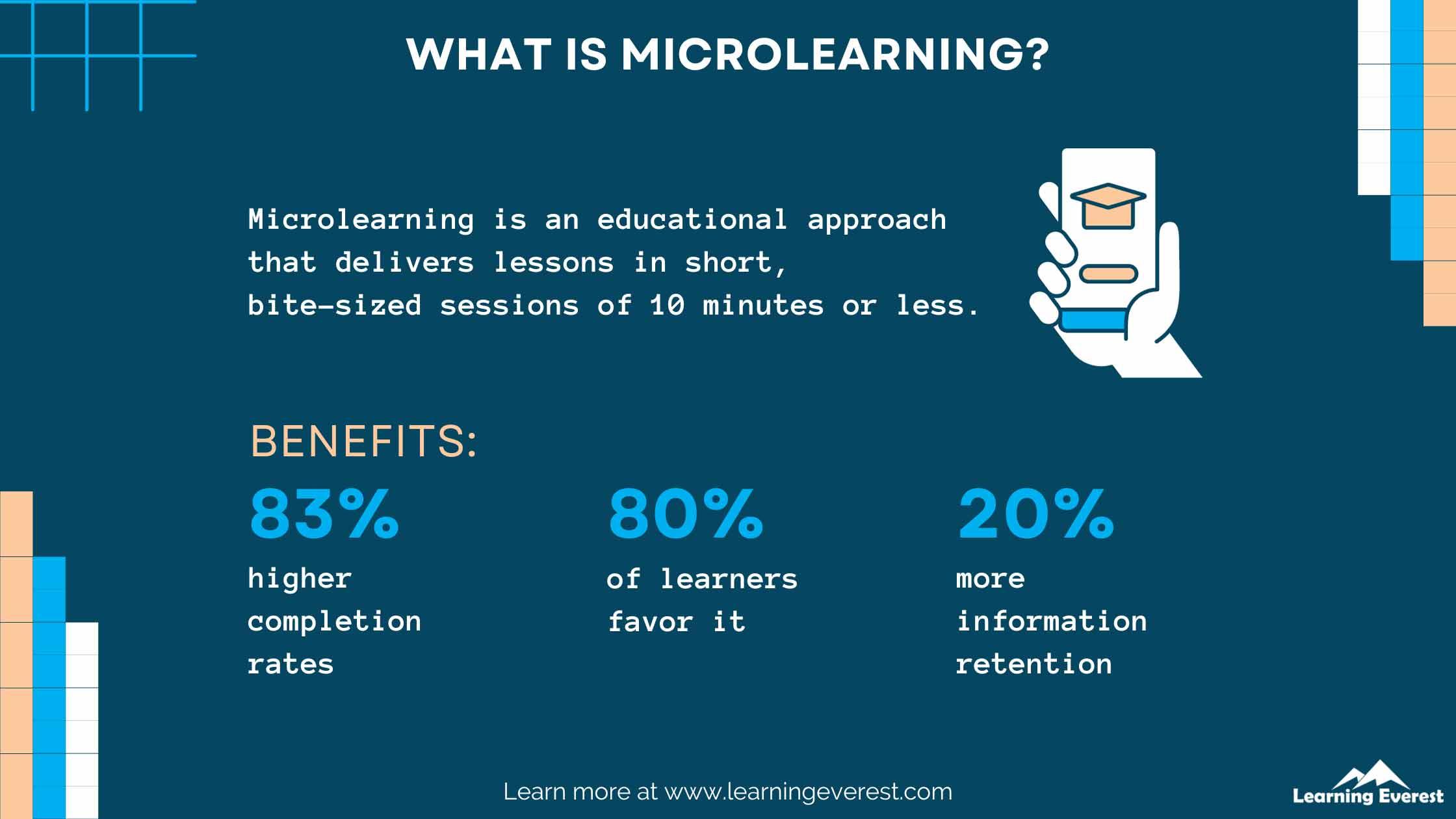
Microlearning refers to delivering learning content in small, manageable segments that learners can easily digest and apply. Typically, microlearning modules are 2–5 minutes long, laser-focused on a single learning objective, and accessible anytime, anywhere.
- Accessible: Available via mobile devices and desktops.
- Targeted: Focus on one topic, skill, or concept at a time.
- Engaging: Uses media such as video, quizzes, infographics, and interactive elements.
Why Microlearning Matters: Key Benefits
Implementing microlearning modules in your digital learning strategy brings several advantages:
- Improved retention: Bite-sized lessons are easier to remember.
- Greater engagement: Learners are more likely to complete short modules than lengthy courses.
- On-demand availability: Learners can access content anytime, promoting “just-in-time” skill development.
- Cost-effective: Quick to develop and update compared to conventional eLearning courses.
- Personalized learning: Learners choose modules relevant to their needs and interests.
SEO Keywords Used:
- Microlearning modules
- Digital learners
- Effective microlearning
- Engaging e-learning
- Microlearning benefits
- Microlearning design strategies
Proven Strategies for Designing Effective Microlearning Modules
Creating successful microlearning modules involves more than just breaking content into smaller chunks. Here are the top microlearning design strategies for maximizing engagement and effectiveness:
1. Begin with Clear,Focused Learning Objectives
- Identify one specific learning goal per module.
- Keep objectives actionable—“By the end, learners should be able to…”
- Use the objectives to guide content selection and design.
2. Prioritize Visual and Interactive Elements
- Integrate videos, images, infographics, and animations to increase engagement.
- Use interactive features such as clickable hotspots,drag-and-drop exercises,and scenario-based quizzes.
- Break up text with relevant visuals to aid comprehension.
3. Design for Mobile-First Accessibility
- Ensure that microlearning modules are responsive and mobile-kind.
- Use concise content and large, easy-to-tap buttons.
- Test modules on multiple devices and browsers.
4. Implement Active Learning Techniques
- Ask learners to complete small tasks, answer questions, or make decisions.
- Integrate real-time feedback for reinforcement.
- Encourage peer-sharing and discussion where possible.
5. Use Micro-Assessment and Spaced Repetition
- Include short quizzes or knowledge checks at the end of each module.
- Employ spaced repetition—review concepts across multiple modules to reinforce retention.
- Provide instant explanations and relevant resources for incorrect answers.
6.Keep Content relevant and Practical
- Link modules to real-world scenarios, case studies, and workplace challenges.
- Focus on “need-to-know” rather than “nice-to-know” information.
- Update modules regularly to reflect current trends and best practices.
Practical Tips for Designing Engaging Microlearning Content
Want to make your microlearning modules truly stand out? Incorporate thes expert tips into your e-learning design strategy:
- Chunk information logically: Group related ideas together to avoid cognitive overload.
- Write concise, conversational content: Avoid jargon and use a friendly tone for digital learners.
- Utilize storytelling: Present scenarios, narratives, or case studies to make content memorable.
- Optimize for SEO and searchability: Use relevant keywords, clear titles, and meta descriptions for your modules–essential for learning platforms and WordPress-based sites.
- Test and iterate: Gather learner feedback and analyze completion rates to refine your microlearning modules.
Microlearning Design: Case Studies and First-Hand Experience
Real-world examples demonstrate the impact of well-designed microlearning modules:
Case Study: Healthcare Compliance Training
A healthcare association transitioned from annual compliance workshops to a series of microlearning modules delivered via their LMS. They saw a 35% increase in completion rates, with staff reporting higher satisfaction and better understanding of compliance requirements.
First-Hand Experience: Digital Marketing Skills
One marketing agency provided microlearning modules focusing on emerging digital trends. Employees could access short lessons on algorithm updates, new ad platforms, and analytics during work breaks. The result? Improved agility and real-time adoption of new tactics, with a measurable boost in campaign performance.
Optimizing Microlearning for WordPress and eLearning Platforms
Delivering microlearning modules on WordPress or similar platforms? consider these optimization techniques:
- Leverage WordPress plugins: Use LMS plugins like LearnDash, LifterLMS, or WP Courseware to structure and deliver microlearning effectively.
- custom CSS styling: Enhance module visibility with clear headings, spaced content, and mobile-optimized design (see examples in this article).
- Embed multimedia: Utilize easy media embedding features for video, audio, and interactive content.
- Tag and categorize modules: Improve discoverability with strategic use of categories, tags, and SEO meta-data.
- Track progress: Use analytics tools to monitor learner engagement and module completion rates.
Conclusion: Transform Digital Learning with Effective Microlearning modules
Microlearning is more than just a trend—it’s a powerful instructional strategy for digital learners who crave versatility, immediacy, and engaging content. By following these proven strategies for effective microlearning module design, training managers and educators can create engaging, impactful learning experiences that drive real results. Remember to focus on clear objectives, mobile-first design, interactive elements, and timely feedback to captivate learners and boost retention.
Ready to revolutionize your digital learning strategy? Start experimenting with these tips and watch learner engagement soar with microlearning!