
How to Design Effective Microlearning Modules: Tips and Best Practices
Microlearning has emerged as a pivotal strategy in modern corporate training, eLearning, and professional advancement. By breaking down content into digestible, focused segments, microlearning modules cater to today’s fast-paced world and diverse learner needs. In this guide, we’ll explore the benefits of microlearning, design principles, practical tips, and proven best practices to help you create impactful microlearning modules that engage learners and drive results.
What is Microlearning?
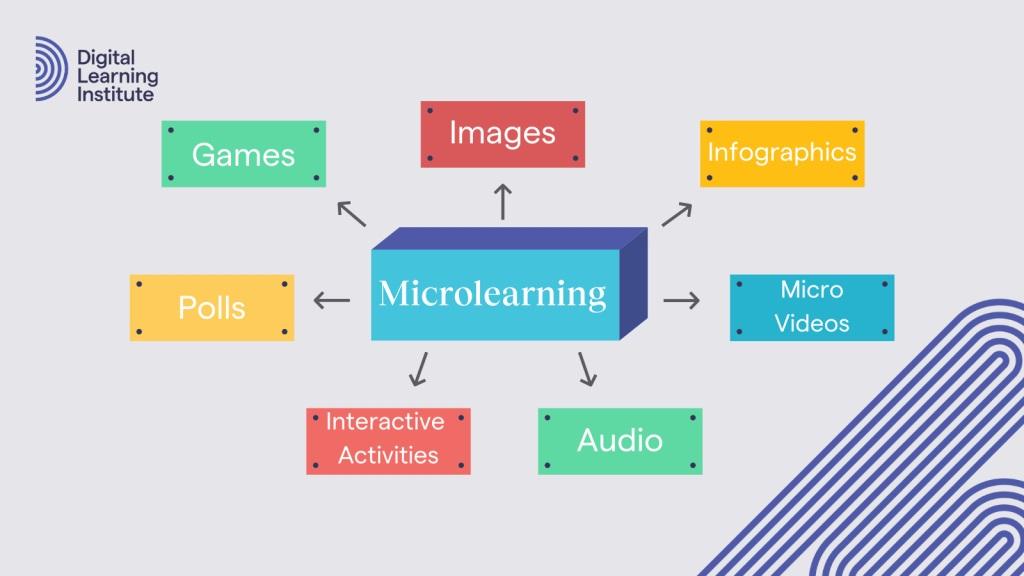
Microlearning refers to the delivery of educational content in short, focused bursts, typically lasting between two and ten minutes. thes modules address a single learning objective or skill, making them perfect for learners with limited time or those seeking just-in-time facts. Microlearning can include videos, infographics, short quizzes, podcasts, or any form of brief digital resource.
Benefits of Microlearning Modules
- Increased Knowledge Retention: Learners tend to retain information better when it’s presented in small, relevant chunks.
- Higher Engagement Rates: Short modules keep attention spans intact and reduce cognitive overload.
- On-Demand Accessibility: Microlearning is mobile-pleasant and accessible anytime, making it ideal for remote teams and busy professionals.
- Personalized Learning Paths: Learners can select modules based on thier immediate needs or interests.
- Faster Development Cycles: Compared to customary courses, microlearning modules are quicker to create and update.
Key Principles for Designing Effective Microlearning Modules
Successful microlearning design isn’t just about keeping it short. Here are essential principles to guide your module development:
- One Objective per Module: Focus each microlearning module on a single, well-defined learning outcome.
- Keep it Short and Simple: Aim for 2-7 minutes per module. Remove any needless content that doesn’t directly support the objective.
- Use Engaging Formats: Incorporate diverse media—such as videos, infographics, and interactive scenarios—to maintain interest.
- Facilitate Active Learning: Include knowledge checks, quizzes, or request exercises within each module.
- Ensure mobile Compatibility: Design modules to be responsive, so they work seamlessly across all devices.
- Optimize for Searchability: Use clear titles, tags, and metadata so learners and search engines can easily find the content.
Best Practices for Creating Microlearning Modules
1. Identify Clear Learning Outcomes
Start by pinpointing exactly what you want learners to achieve by the end of the microlearning module. Each module should solve a specific problem or meet a particular learning need. Use action verbs to define measurable outcomes, e.g., “Identify phishing emails” or “demonstrate the proper use of a fire extinguisher.”
2. Chunk Content Effectively
Break your material into logical, bite-sized chunks. Each chunk should focus on a single concept or process. Use headings, bullet points, and visuals to organise content and make it easy for learners to scan and absorb.
3. Use Multimedia Wisely
Rich media elements such as videos,audio clips,graphics,and animations can substantially enhance engagement and retention. Keep videos under five minutes and include transcripts or captions for accessibility.
4. Foster Interactivity and Engagement
Active participation boosts learning outcomes. integrate:
- Swift quizzes or polls
- Interactive scenarios and simulations
- Drag-and-drop activities
- Instant feedback on answers
5. Make Learning Accessible
Ensure all microlearning modules follow accessibility standards. Use readable fonts, high-contrast color schemes, and offer alternative text for images and multimedia.
6. Reinforce Learning with Spaced Repetition
Boost retention by revisiting key concepts over time. Repeat or reinforce critical points in subsequent modules or through follow-up quizzes.
7. Analyze and Iterate
Collect data on learner performance and engagement—such as completion rates and quiz scores—to identify areas for enhancement. Continuously update your microlearning modules based on learner feedback and analytics.
Practical Tips for Designing Microlearning Modules
- Start with a Real-World Scenario: Contextualize learning using relevant examples or case studies.
- Leverage Templates: Use consistent templates and styling to create recognizable learning structures.
- Minimize Distractions: Stick to essential content, and avoid unnecessary navigation or visual clutter.
- Incorporate Gamification Elements: Badges, leaderboards, or points can motivate participation.
- Test on Multiple Devices: Preview modules on smartphones, tablets, and desktops to ensure a seamless experience.
- Enable Social Learning: Allow learners to share insights, discuss content, or collaborate through forums or integrated chat.
Case Study: Microlearning Success in Corporate Training
Case Study: A multinational IT company sought to improve compliance training. Traditional eLearning modules were lengthy, leading to poor completion rates. By switching to microlearning modules—each focusing on one compliance policy and including two-minute explainer videos and brief self-assessments—the company saw:
- Completion rates increase by 30%
- knowledge retention (measured by post-training tests) improve by 25%
- Positive learner feedback citing “time efficiency” and “applicability on the job”
This demonstrates that effective microlearning module design not only enhances engagement but can also boost measurable organizational outcomes.
Firsthand Experience: Designing Microlearning Modules
Drawing from years of experience in instructional design, here are some insights:
“when deploying microlearning, it’s crucial to work closely with subject matter experts to distill information into its most essential form. Learners appreciate content that gets straight to the point and uses real tasks they encounter on the job. Short quizzes and scenario-based activities significantly raise engagement and retention.”
Additionally, soliciting feedback after each module launch helps refine future content for maximum impact.
Microlearning Module Design checklist
- ✅ One clear learning objective per module
- ✅ Content is concise, relevant, and actionable
- ✅ Multimedia enhances, not distracts from, the message
- ✅ Interactivity drives engagement
- ✅ module is accessible and mobile-friendly
- ✅ Analytics are in place to measure effectiveness
Conclusion
Effective microlearning module design is a cornerstone of modern eLearning and corporate training. By focusing on one objective at a time, using engaging multimedia, and driving interactivity, you can build microlearning experiences that truly resonate with today’s busy learners. With careful planning, continuous optimization, and adherence to best practices, your microlearning strategy will not only boost knowledge retention but also lead to tangible organizational benefits.
Ready to start? Incorporate these tips and best practices into your next instructional design project and see the power of microlearning in action!