
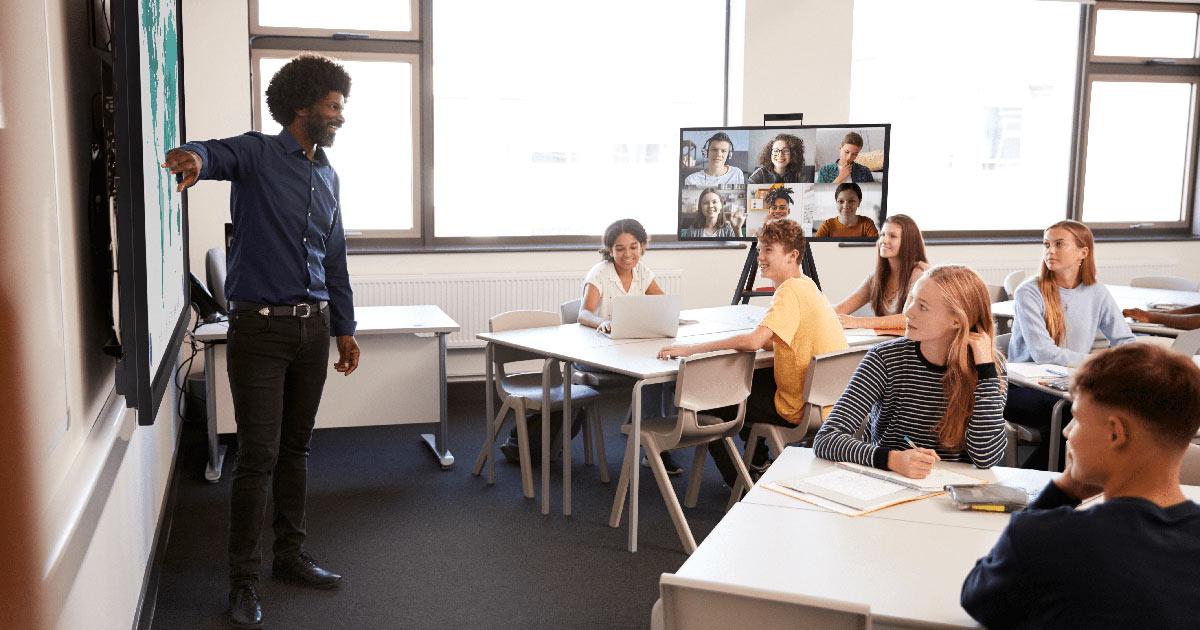
How to design Flexible Hybrid classrooms for Modern Learning Success
With the rapid evolution of educational technology and shifting student needs, the role of flexible hybrid classrooms has become central to modern learning. Educators and administrators around the globe are seeking innovative solutions to foster inclusive, engaging, and accessible learning environments—on-campus, online, and everywhere in between.In this extensive guide, you’ll learn how to design flexible hybrid classrooms for modern learning success, including practical tips, benefits, case studies, and actionable insights to help you create transformative educational experiences.
what Are Flexible Hybrid Classrooms?
Flexible hybrid classrooms blend in-person and online learning, giving students the choice to participate in ways that suit their unique needs. They use advanced video conferencing tools,collaborative platforms,interactive whiteboards,and adaptive seating arrangements to deliver a seamless experience for both remote and on-site learners.
- Hybrid learning model: Combines face-to-face teaching with digital interaction.
- Flexible classroom design: Allows for quick adaptation to class size, teaching style, and technology requirements.
- Student-centered approach: Empowers learners to choose their ideal learning mode.
Benefits of Flexible Hybrid Classrooms
Before diving into the practicalities of classroom design, it’s crucial to understand why the flexible, hybrid classroom model is gaining wide adoption across educational institutions.
1.Increased Accessibility and Inclusion
- Remote participation: students can join classes irrespective of geographical limitations or personal challenges.
- Assistive technologies: Integrations such as captioning, screen readers, and adjustable lighting ensure equitable access for all learners.
2.Enhanced Engagement
- Interactive tools: Real-time polls, quizzes, and collaborative projects foster active participation.
- Personalization: Students can select content formats, pacing, and group activities that best suit their learning styles.
3. Future-Proof Learning Environments
- Adaptability: Quickly pivot to remote or blended learning during emergencies or schedule changes.
- Scalability: Easily accommodate growing classes and new pedagogies with modular layouts and digital resources.
Core Elements of Flexible Hybrid Classroom Design
Designing a accomplished hybrid classroom involves strategic planning and attention to detail. Below are the core elements to consider for your classroom change:
1. Physical Layout and Furniture
- Mobile furniture: Use tables and chairs on casters to allow quick reconfiguration for group work or lectures.
- Zones for collaboration: Designate areas for individual study, small group discussions, and whole-class activities.
- Technology-amiable workspaces: Ensure desks have power outlets and cable management for laptops, tablets, and other devices.
2. Technology Integration
- High-speed internet: Provide reliable, fast connectivity for video streaming and interactive online tools.
- Audio-visual systems: Invest in smart cameras, microphones, and speakers for clear dialog between virtual and in-class students.
- Learning management system (LMS): Use platforms like canvas, Moodle, or Google Classroom to centralize resources and assignments.
3. Flexible Curriculum Design
- Active learning strategies: Incorporate project-based learning, peer teaching, and problem-solving exercises.
- Digital content creation: Develop video lessons, interactive modules, and cloud-based documents for anytime access.
- Assessment variety: Offer formative and summative assessments through online quizzes, portfolios, and presentations.
Practical Tips for Designing Flexible Hybrid classrooms
Turn your vision into reality with these actionable tips for implementing a flexible, hybrid classroom:
- Start with a Needs Assessment: Survey your students and teachers to understand learning preferences, technology access, and potential barriers.
- Pilot, Iterate, and Scale: Launch small-scale pilots, collect feedback, and optimize the layout and tools before full implementation.
- Invest in Professional Development: Train educators in hybrid teaching strategies, classroom tech management, and digital pedagogy.
- Promote Collaboration: Use shared digital whiteboards, breakout rooms, and project management apps to encourage teamwork across modalities.
- Prioritize Communication: Set clear protocols for participation, assignment submission, and troubleshooting, accessible to all students.
Case Studies: Flexible Hybrid Classrooms in Action
Real-world examples show the transformative power of flexible hybrid classroom design:
university of Texas Hybrid Learning Initiative
The University of Texas implemented modular classroom layouts, smart boards, and cloud-based curriculum resources. After the transition, student engagement rose by 28% across STEM courses, and retention rates improved substantially, demonstrating the effectiveness of flexible design and robust technology integration.
High School in Melbourne, Australia
A local high school reimagined their learning spaces using mobile desks and wall-mounted display screens. Using a blended curriculum,their attendance and student satisfaction ratings improved,especially among students with additional needs and those participating in extracurricular activities online.
First-Hand Experience: Teacher Insights
Teachers who have led flexible hybrid classrooms agree that the transition requires ongoing adaptation and open-mindedness. Here’s what works best:
- Continuous Feedback: Regular polls and suggestion boxes help adjust the pace and format of lessons in real-time.
- Clear Structure: Daily and weekly overviews posted in online classrooms prevent confusion and help students manage expectations.
- Inclusivity: Providing both virtual and in-person office hours ensures all students can connect with instructors as needed.
WordPress CSS styling Suggestions
To achieve a visually appealing article on WordPress, consider utilizing the following CSS classes in your theme customization:
.article-container {

  max-width: 800px;

  margin: auto;

  padding: 2em;

  font-family: 'Segoe UI', Arial, sans-serif;

  background: #fff;

  border: 1px solid #ebebeb;

}

.article-container h2 {

  color: #28527a;

  margin-top: 1.5em;

}

.article-container ul, .article-container ol {

  margin-left: 2em;

}

.article-container li strong {

  color: #0a81ab;

}
Conclusion: Future-Proof Learning Through Flexible Hybrid Classrooms
Designing flexible hybrid classrooms for modern learning success isn’t a one-size-fits-all process—it demands creativity, technology investment, and a commitment to student-centered learning. when executed thoughtfully, hybrid learning environments facilitate greater accessibility and engagement, empower both students and educators, and prepare institutions for future challenges and opportunities. By combining adaptive physical design, integrated technologies, and inclusive curriculum strategies, educational leaders can cultivate spaces that inspire lifelong learning and innovation.
Ready to reimagine your classroom? Start implementing these strategies today and unlock the full potential of flexible hybrid learning!