
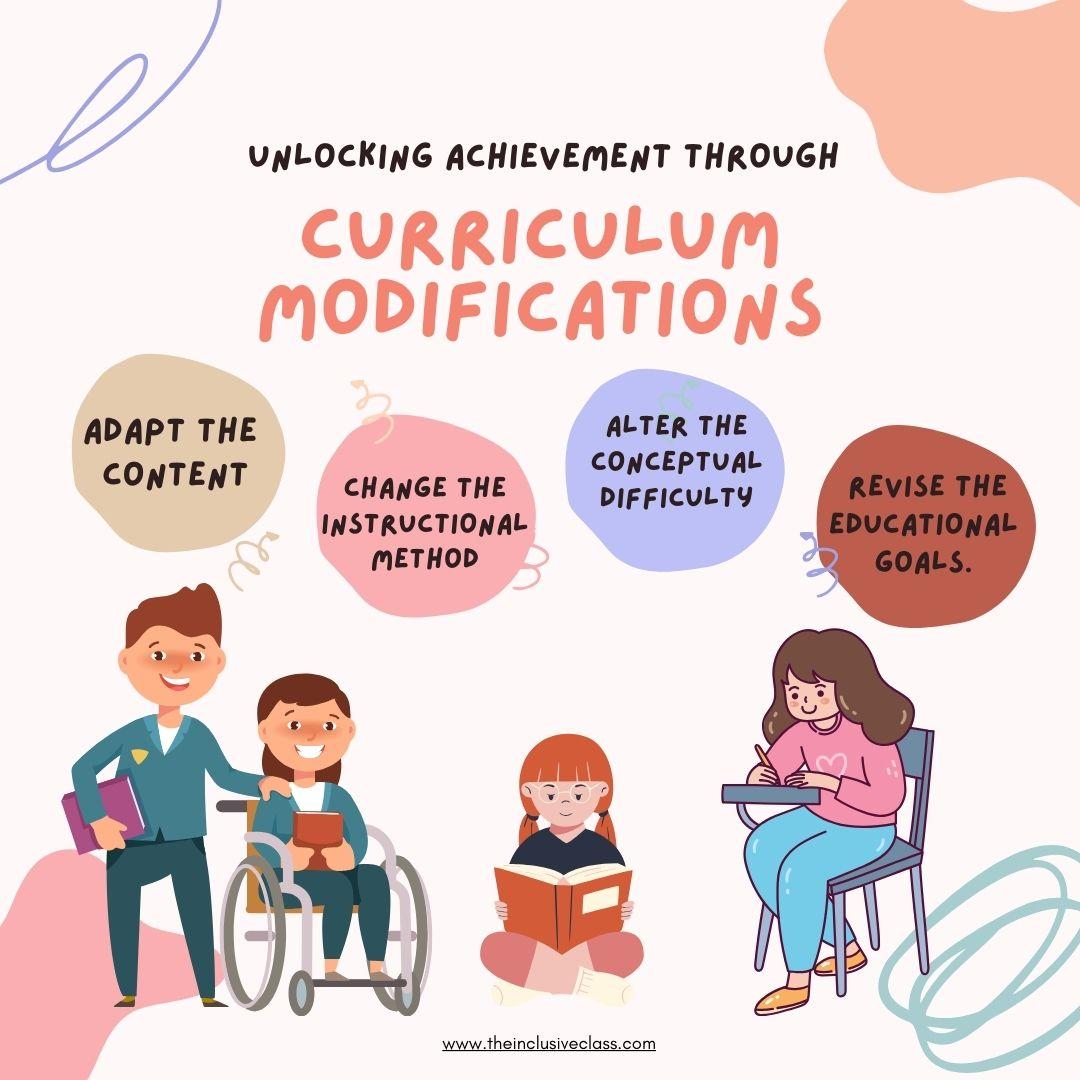
How to Design Inclusive Curricula for Diverse Learners: Strategies for Effective Classroom Engagement
Designing inclusive curricula for diverse learners is not just a best practice—it’s a necessity in today’s classrooms. With students representing a wide range of backgrounds, abilities, and learning preferences, inclusive curriculum design ensures equitable access to education, fosters student engagement, and cultivates a sense of belonging for everyone.
In this comprehensive guide, we’ll explore actionable strategies on how to design inclusive curricula for diverse learners, highlighting effective classroom engagement techniques, practical tips, and real-world examples. Whether you’re a teacher, school administrator, or curriculum developer, this article will empower you to build a learning environment where every student can thrive.
What is Inclusive Curriculum Design?
An inclusive curriculum is intentionally structured to recognize, respect, and address the diverse needs of all students. It incorporates multiple perspectives, varied instructional materials, and adaptive teaching methods, ensuring no learner feels left out or marginalized.
- Addresses varied learning styles and abilities
- Represents cultural, linguistic, and socio-economic differences
- Promotes equal opportunities and high expectations for all students
Benefits of Inclusive Curriculum for Diverse Learners
- Improved Academic Achievement: Diverse learners engage more deeply and perform better academically when lessons relate to their experiences and needs.
- Enhanced Engagement: Students are more motivated when they see themselves reflected in the curriculum.
- Greater Sense of Belonging: Inclusivity fosters positive relationships, empathy, and a welcoming classroom climate.
- Skill Growth: Inclusive approaches teach students collaboration, respect, and adaptability—essential skills for life beyond school.
Key Principles for Designing Inclusive Curricula
to create an effective inclusive curriculum for diverse learners,educators should adhere to the following guiding principles:
- Universal Design for Learning (UDL): Employ flexible curricula that accommodate different learning styles,interests,and abilities.
- culturally Responsive Education: Incorporate students’ cultural backgrounds and experiences into lesson plans.
- Differentiation: Adapt teaching methods, assignments, and assessments to meet the unique needs of each student.
- Collaboration: Foster cooperation among educators, students, and families to address diverse learning needs.
- Accessibility: Ensure all materials and activities are accessible,considering language,physical,and cognitive differences.
Effective Strategies for Inclusive Curriculum Design
1. Integrate Universal Design for Learning (UDL)
UDL is a research-based framework that helps educators accommodate all learners by providing multiple means of engagement, representation, and expression.
- Multiple Means of engagement: Offer choices in how students participate (discussions, projects, independent study).
- Multiple Means of Representation: Present details in various ways—visual, auditory, and kinesthetic.
- Multiple Means of Expression: Allow versatility in how students demonstrate knowledge (essays, videos, presentations).
2. apply differentiated Instruction
Differentiate content, process, and products according to students’ readiness, interests, and learning profiles.
- Vary reading assignments and materials
- Provide tiered activities and assessments
- Group students by shared interests or skill levels for collaborative learning
3. Foster Culturally Responsive Teaching
Incorporate diverse cultures, histories, and texts into your curriculum to validate and reflect students’ identities.
- Include multicultural literature and resources
- Invite students to share their backgrounds through projects or discussions
- Use examples and analogies that resonate with diverse learners
4.Ensure Language Accessibility
Support both native and non-native speakers by simplifying language, using visuals, and integrating language scaffolds.
- Offer bilingual instructions and resources where possible
- use graphic organizers,word walls,and realia
- Encourage peer support and cooperative group work
5. Incorporate Social-Emotional Learning (SEL)
Design activities that build empathy, self-awareness, and interpersonal skills—crucial for inclusive environments.
- Include reflection journals and community circles
- Teach conflict resolution and collaborative problem-solving
- Recognize and celebrate student achievements
6.Use Assistive Technology and Accessible Materials
leverage digital tools and adaptive technologies to support students with disabilities and learning differences.
- Text-to-speech, audiobooks, and captioned videos
- Accessible digital platforms (screen readers, alternative input devices)
- Customizable fonts, colors, and layouts for readability
Practical Tips for Classroom Engagement
Enhancing classroom engagement is pivotal when working with diverse learners. Here are some pragmatic approaches:
- Set Clear Expectations: Define classroom norms collaboratively to promote respect and inclusiveness.
- Build Relationships: Get to no students individually to tailor support and foster trust.
- Offer Choice and Voice: Let students make decisions about their learning paths and assessments.
- Incorporate Movement: Integrate hands-on, kinesthetic activities to keep all students actively involved.
- provide continuous Feedback: Offer constructive feedback and celebrate effort, not just outcomes.
Case Study: Inclusive Curriculum in Action
“Last year, I revamped my high school history lessons using universal Design for Learning principles. I introduced multimedia timelines, provided primary sources in both English and Spanish, and offered flexible project choices. Consequently, engagement skyrocketed, and students—especially English language learners and students with IEPs—reported feeling more confident and valued during class discussions.” — Ms. Johnson, History Teacher
This firsthand experience showcases how minor adjustments in curriculum design can yield profound outcomes for diverse learners.
Overcoming Challenges in Inclusive Curriculum Design
While designing inclusive curricula is highly rewarding, educators frequently enough encounter challenges such as limited resources, time constraints, and resistance to change. Consider these solutions:
- Start Small: Implement one or two strategies at a time and build gradually.
- Leverage Collaboration: Work with co-teachers,specialists,and community members for support and idea sharing.
- Utilize Open Educational Resources (OER): Access diverse, adaptable teaching materials online.
- Invest in Professional Development: Attend workshops focused on inclusive pedagogy and differentiated instruction.
Conclusion: Creating Classrooms Where Every Learner Belongs
Designing an inclusive curriculum for diverse learners is an ongoing journey that requires commitment, creativity, and collaboration. When educators prioritize inclusivity, they unlock boundless potential in every student, fostering a vibrant classroom where all voices matter.
By embracing Universal Design for Learning, differentiated instruction, and culturally relevant teaching, you can ensure that your curriculum resonates with every learner and inspires lifelong engagement. Start small, stay curious, and remember: Inclusive education is quality education.
ready to design more inclusive curricula? Explore our resources, connect with fellow educators, and take the next step towards transforming your classroom for diverse learners!