
How to Design Inclusive Curricula for Diverse Learners: Strategies for Equity in Education
Keywords: inclusive curricula, diverse learners, equity in education, universal design for learning, culturally responsive teaching, differentiated instruction
Introduction: Why Inclusive Curricula Matter
In today’s interconnected world, the call for equity in education has never been more urgent.Creating inclusive curricula ensures that every learner, regardless of background, ability, race, or learning style, can succeed and thrive in the classroom.As educators and curriculum designers, embracing strategies for inclusive education not only fosters academic achievement but also builds a sense of belonging and respect for diversity in schools. This guide explores practical ways to design inclusive curricula for diverse learners, offering actionable tips, research-backed strategies, and inspiring examples.
What is Inclusive Curriculum Design?
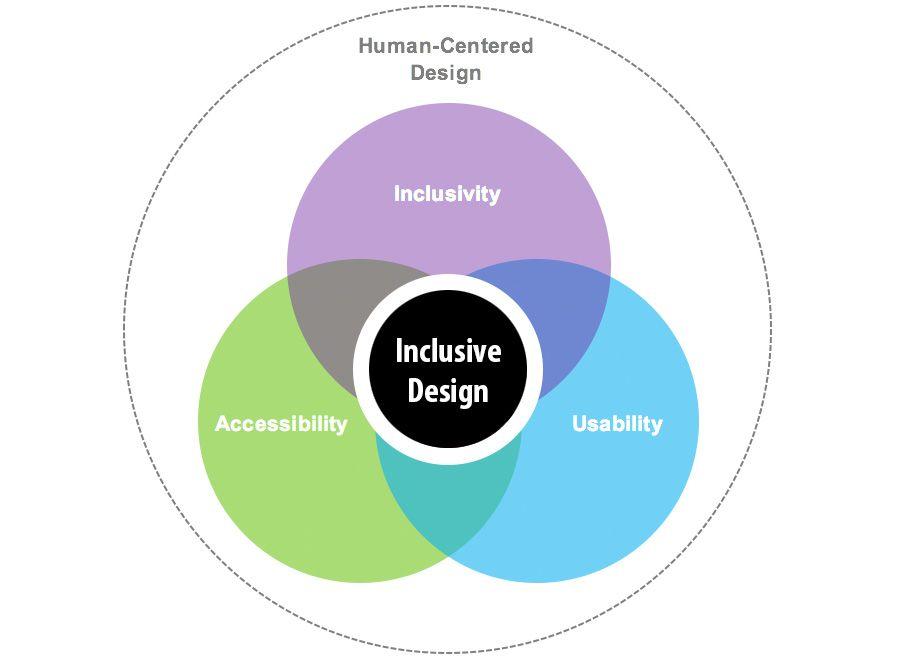
Inclusive curriculum design refers to the intentional planning and implementation of educational content, instruction, and assessments that consider and accommodate the varied needs, experiences, and identities of all students. The goal is to promote equity in education by removing barriers and fostering accessibility, engagement, and portrayal.
- Diverse Learners: Students with diffrent languages, cultures, abilities, socioeconomic backgrounds, and learning preferences.
- Equity: Ensuring fair opportunities and resources for every student by recognizing and addressing their unique challenges and strengths.
Benefits of Inclusive Curricula
- Encourages higher academic achievement for all students
- Promotes a sense of belonging and respect for diversity
- Reduces achievement gaps
- Fosters social-emotional growth and positive relationships
- Equips students to succeed in a multicultural, global society
Core Strategies for designing Inclusive Curricula
1. Universal Design for Learning (UDL)
Universal Design for learning is a framework that guides the development of accessible curricula and flexible learning environments. Its three key principles are:
- Multiple Means of Engagement: Offer varied ways for students to stay motivated and engaged (group work, self-paced activities, gamified learning).
- Multiple Means of representation: Present content using different formats (videos, print, audio, interactive media).
- Multiple Means of Action & Expression: Allow students to demonstrate understanding through presentations,essays,projects,or creative works.
2. Culturally Responsive Teaching
Inclusive curricula reflect and honor the diverse cultural backgrounds of students. culturally responsive teaching incorporates culturally relevant content, diverse perspectives, and practices that build on students’ life experiences.
- Integrate literature, examples, and case studies from a variety of cultures and communities.
- Facilitate discussions about identity, history, and current events in a respectful way.
- Seek input from families and community members.
3. Differentiated Instruction
Differentiated instruction recognizes individual learning styles, readiness levels, and interests. Teachers can:
- Group students by ability, interest, or learning preference.
- Offer choices in assignments and assessments.
- Adjust pacing,resources,and supports as needed.
4. Inclusive Assessment Practices
Assessment must be fair, accessible, and reflective of students’ true abilities. strategies include:
- Use formative assessments to guide instruction and provide timely feedback.
- Offer alternative assessment formats (oral presentations,portfolios,project-based evaluations).
- Accommodate students with disabilities (extra time, accessible materials).
Practical Tips for Educators: Building equity in the Classroom
- Know Your Learners: Gather student profiles,interests,and cultural backgrounds at the start of the year.
- Audit Your Curriculum: Regularly review materials for bias, representation, and relevance.Replace outdated or exclusionary content.
- Collaborate and Co-Teach: Work with special educators,ELL teachers,and community partners to expand perspectives and supports.
- Foster Student Voice and Choice: Include students in curriculum planning; let them suggest topics and formats for projects.
- Use Technology Thoughtfully: leverage digital tools for personalization, accessibility, and collaboration, but ensure equitable access.
- Commit to Ongoing Reflection: Seek feedback, examine classroom data, and adapt strategies to meet changing needs.
Case Study: Inclusive Curriculum in Action
Urban Middle School: Bridging Gaps Through Project-Based Learning
An urban middle school serving multilingual students redesigned its science curriculum using UDL and culturally responsive teaching. Teachers included local environmental issues and invited community experts to co-teach. Students chose project formats—posters, podcasts, or videos—and collaborated across languages. Attendance and engagement rose by 40%, and assessment scores increased for English Language Learners and students with IEPs.
First-hand Experience: Teacher Reflections on Inclusive Education
“I began integrating choice-based assignments in my classroom, giving students options in how to present their learning. The impact has been profound—students who previously felt sidelined now participate actively. Families have reached out,saying their children feel ‘seen’ for the first time. Inclusive curricula changed the culture of our classroom.”
Overcoming Common challenges
- Time Constraints: Use planning teams, share resources, and adapt existing materials gradually.
- Limited Training: Advocate for professional development on inclusive education and attend workshops.
- Resource Gaps: Explore free or low-cost digital tools, invite community speakers, and leverage open educational resources (OERs).
- Resistance to Change: Share research and success stories; invite student and parent voices to build buy-in.
Key Resources for Inclusive Curriculum Design
- CAST: Universal Design for Learning Guidelines
- Learning for Justice (formerly Teaching Tolerance)
- UDL Guidelines Interactive Framework
- Edutopia: Inclusive classroom Tips
- Colorín Colorado: strategies for ELLs
Conclusion: the Future of Equity in Education
Designing inclusive curricula for diverse learners is not a one-time task—it’s an ongoing commitment to listening, learning, and improving. By embracing universal design for learning, culturally responsive teaching, and differentiated instruction, educators can create classrooms that empower every student to shine. Together, these strategies break down barriers to success and help build a more just, equitable, and vibrant educational future. Start your journey today—your learners are waiting to see themselves reflected in every lesson.