
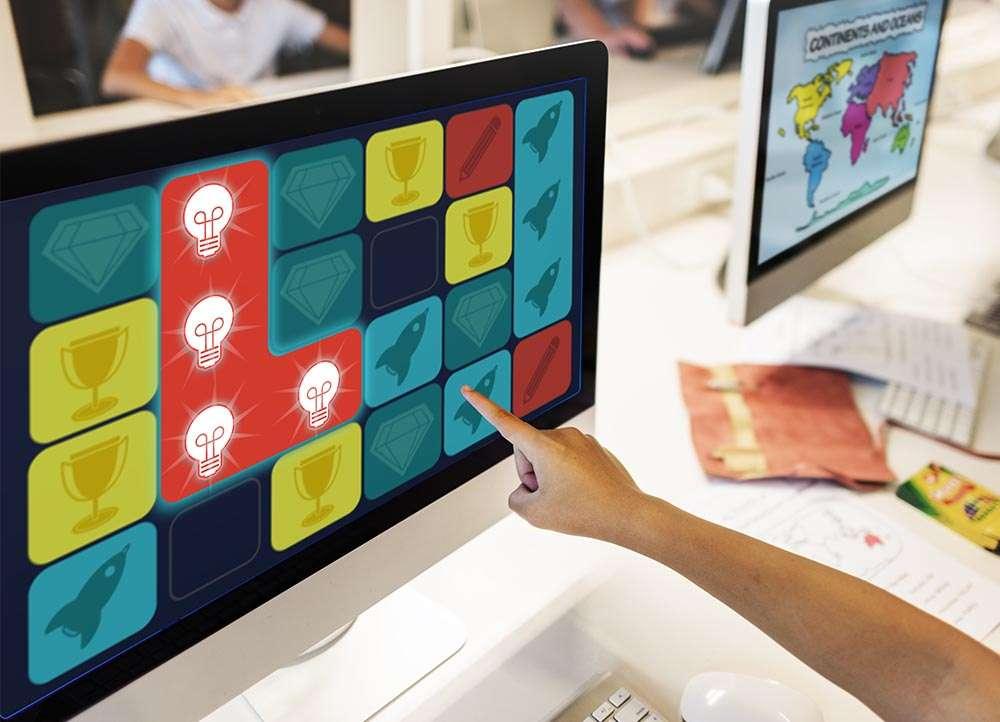
How to Effectively Integrate Gamification into Standard Curricula: A Guide for Modern educators
In today’s dynamic educational landscape, engaging students and fostering active learning are top priorities for modern educators. As traditional teaching methods evolve, one of the moast impactful innovations gaining traction is gamification in education. When educators successfully integrate gamification into standard curricula, they cultivate interactive, student-centered learning environments—laying the groundwork for increased motivation, deeper comprehension, and improved academic outcomes. This comprehensive guide will empower you to harness the power of gamification in your classroom, with actionable strategies, benefits, and inspiring examples.
What is Gamification in Education?
Gamification refers to the request of game-design elements—such as points, badges, leaderboards, and challenges—in non-game contexts. In education,gamification transforms lesson plans,assignments,and assessments into engaging,interactive experiences. By gamifying the curriculum, educators tap into students’ natural instincts for play, competition, and achievement, enhancing their engagement and retention substantially.
Benefits of Integrating Gamification into standard Curricula
- Increased Student Engagement: Game mechanics encourage participation and sustain motivation throughout the academic year.
- Immediate Feedback: Gamified activities provide real-time feedback, enabling students to track progress and identify areas for improvement.
- Enhanced Collaboration: Team challenges and quests foster peer collaboration and social learning.
- Deeper Learning: Interactive content and rewards stimulate curiosity and promote active, experiential learning.
- Personalization: Adaptive challenges can be tailored to individual learning styles and abilities, ensuring inclusive education.
- Skill Growth: Resource management, critical thinking, and problem-solving skills are organically integrated into game-based lessons.
“Gamification goes beyond entertainment—when purposefully designed, it can be the catalyst for meaningful, lifelong learning experiences.” — Dr. Carl Kapp, Author of ‘The Gamification of Learning and Instruction’
Key Strategies to Effectively Integrate Gamification into Standard Curricula
To reap the full benefits of gamified learning, educators should approach integration with intention and clarity. Here’s a roadmap for seamlessly embedding gamification into your curriculum:
1. Identify Clear Learning Objectives
Begin by aligning gamification strategies with your curriculum’s core objectives. Define the specific skills, knowledge, and competencies you want students to master through gamified activities.
2. Select Appropriate Game Elements
- Points & Levels: Create systems where students earn points or level-up for completing tasks and demonstrating mastery.
- Badges & Certificates: Award badges for achievements, milestones, or demonstrating soft skills.
- Leaderboards: Establish healthy competition by displaying progress in a visible, encouraging manner.
- Quests & Challenges: Frame lessons as missions or challenges that students must work through.
- Storytelling: Use narrative to immerse students in a compelling context, making lessons more memorable.
3. Choose the Right Digital Tools
Leverage educational technology platforms to simplify implementation:
- Kahoot!—Interactive quizzes with instant feedback
- Classcraft—Comprehensive gamification with avatars, points, and storylines
- socrative—Formative assessment with gamified features
- Quizizz—Game-based quizzes with live leaderboards
Additionally, WordPress users can utilize LMS plugins like LearnDash and BadgeOS to track achievements and award badges within online courses.
4. Foster Student Autonomy and Choice
Empower students by offering them choices in their learning paths. Provide optional quests, side-missions, or challenge levels, allowing learners to take ownership of their educational journey.
5. Track Progress and Celebrate Success
Utilize dashboards, charts, or classroom displays to monitor student progress. Publicly celebrate individual and group achievements to boost morale and motivation.
6. Reflect and Iterate
Gather feedback from students and colleagues. Reflect on what worked and where improvement is needed. Adjust game mechanics or lesson design as needed for long-term success.
Case Studies: Gamification in Action
Case Study 1: Boosting Science Engagement in Middle School
A middle school science teacher implemented weekly “science quests,” where students completed challenges such as building models or conducting experiments. Points were awarded for creativity, collaboration, and effort. By the semester’s end, classroom participation increased by 30%, and students reported higher enjoyment of lessons.
Case Study 2: Digital Badges for Reading Achievement
An elementary language arts teacher used BadgeOS on her school’s WordPress-powered website to track and reward student reading milestones. Each badge was linked to personalized feedback and a certificate presented during monthly assemblies. The program resulted in a ample increase in independent reading hours.
Case Study 3: Gamified Math Modules in High School
At a technology-integrated high school,educators leveraged the Quizizz platform to create gamified math quizzes. Leaderboards and timed challenges motivated students to improve problem-solving speed and accuracy. Teachers observed marked improvement in math scores and classroom enthusiasm.
Best Practices for Modern Educators
- Keep the Focus on Learning: Ensure that gamified elements reinforce learning objectives rather than distract from them.
- Diversify Rewards: Use both intrinsic (knowledge, mastery) and extrinsic (certificates, badges) motivators.
- Promote fairness: Structure games to minimize discouragement and foster a growth mindset in all students.
- Ensure accessibility: Adapt gamified tasks for different learner needs and abilities.
- Gather Ongoing Feedback: Regularly survey students to gauge engagement and improve your approach.
- Collaborate with Colleagues: Share resources, brainstorm new ideas, or co-create inter-disciplinary gamified units.
Common Pitfalls to Avoid When Implementing Gamification
- Overemphasis on Competition: Excessive competitive elements can alienate less confident students.balance with cooperative goals and personal achievement.
- Insufficient Integration: Tacking game mechanics onto lessons as an afterthought reduces their impact. Integration must feel seamless and purposeful.
- Lack of Clear Objectives: Without clear goals and alignment with learning outcomes, gamification may become confusing or distracting.
- Ignoring Diversity: Not every student is motivated by the same rewards. Offer varied incentives and levels of participation.
First-Hand Experience: A Teacher’s Outlook
“after integrating gamification into my biology lessons, I noticed quieter students became more vocal and collaborative during group quests. Using digital leaderboards and physical badges, I saw disengaged students grow more confident as they achieved milestones. The classroom energy shifted from passive listening to active problem-solving, and students reported feeling more ‘invested’ in their learning.”—Mrs. J. Simmons, High School Educator
Conclusion: Make Gamification a Lasting Part of Your Teaching Toolkit
Effectively integrating gamification into standard curricula is a transformative teaching strategy that helps modern educators inspire, motivate, and empower their students. By aligning gamified activities with learning objectives, leveraging the right tools, and maintaining a student-centric approach, you turn the classroom into an engaging, productive space for all learners. Whether your teaching surroundings is in-person, hybrid, or fully online, gamified learning strategies can provide the competitive edge needed for long-term student success. Start small,reflect,and iterate—soon,your students will thank you for making learning unforgettable.
Related Resources:
- Benefits of Gamification in Education
- best Gamification Tools for Teachers
- Ways to Boost Student Engagement