
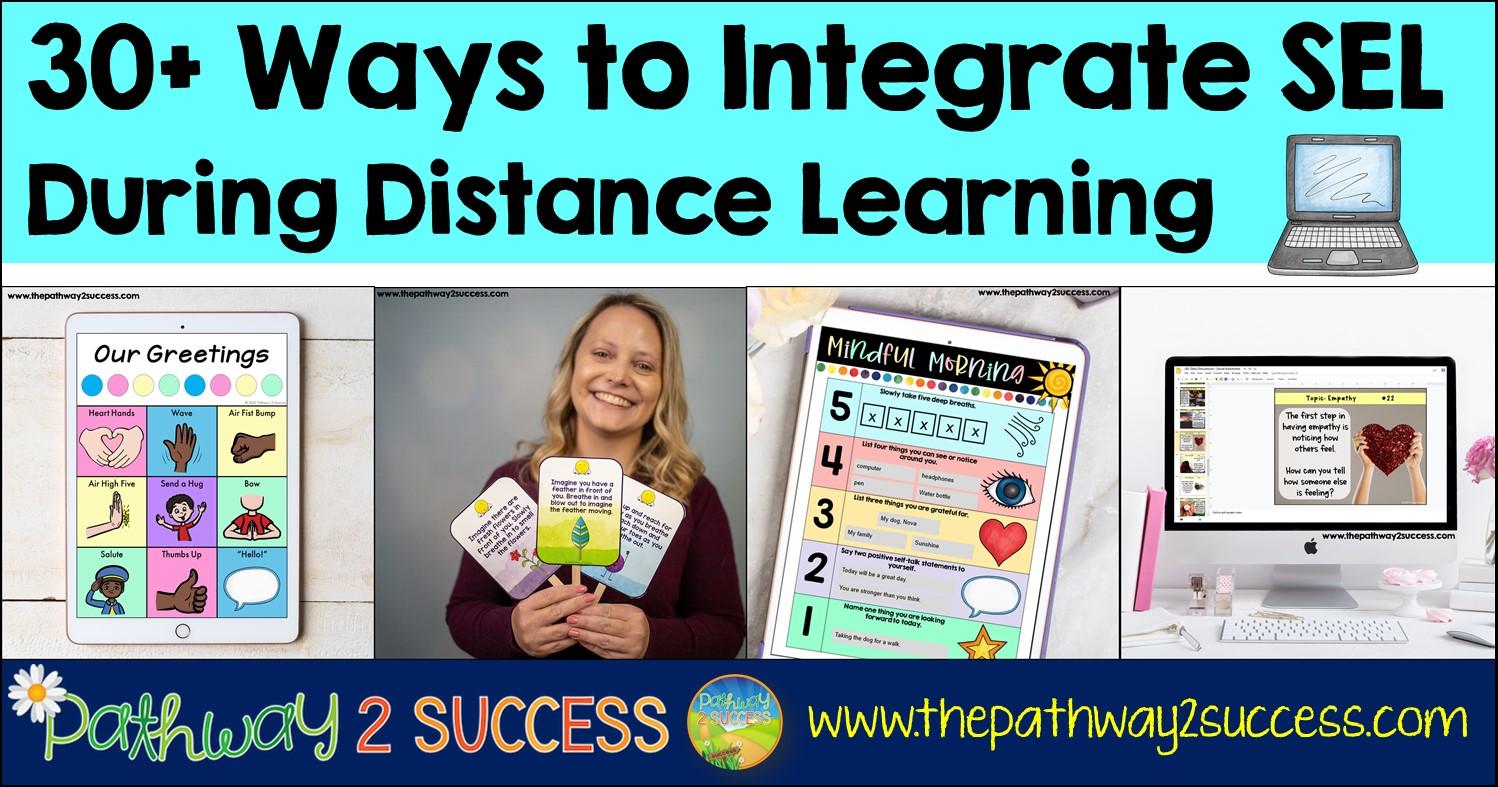
How to Effectively Integrate SEL into the Digital Classroom: Strategies for Meaningful Online Learning
In today’s rapidly evolving educational landscape, Social Emotional Learning (SEL) has emerged as a cornerstone for student advancement and academic success. As more educators embrace online platforms and virtual classrooms,effectively integrating SEL into the digital classroom is not just beneficial—it’s essential. This extensive guide explores practical strategies,helpful tools,and real-world examples to help you foster meaningful online learning through robust SEL integration.
What is Social Emotional Learning (SEL)?
Social Emotional Learning (SEL) refers to the process through which students acquire and apply the knowledge, attitudes, and skills necessary to understand and manage emotions, set positive goals, develop empathy, build healthy relationships, and make responsible decisions. SEL is basic to promoting positive behavior, mental well-being, and academic achievement in both traditional and online classrooms.
the Importance of SEL in Online Learning
- Improved Engagement: SEL practices help maintain a sense of community, keeping students connected and motivated in remote learning environments.
- Student Well-being: SEL activities address stress,anxiety,and isolation,promoting a supportive digital classroom climate.
- Academic Performance: Research shows that students with strong social-emotional skills perform better academically, even in virtual settings.
As online learning becomes increasingly prevalent, the need to prioritize SEL skills—such as self-awareness, self-management, social awareness, relationship skills, and responsible decision-making—has never been greater.
Key Strategies for Integrating SEL into the Digital Classroom
Transitioning to a digital classroom presents unique challenges, but it also offers opportunities for innovative SEL integration. Here are effective strategies to foster SEL in your online learning environment:
1. Leverage Technology Tools for SEL
- Use SEL Apps and Platforms: Platforms like ClassDojo, flipgrid, and Nearpod offer features such as mood check-ins, interactive discussions, and collaborative projects to build self-awareness and peer relationships.
- Schedule Virtual Check-ins: Dedicate time at the start or end of video lessons for students to express their feelings using simple feedback tools like polls, emojis, or virtual “mood meters.”
- Encourage Collaborative Learning: Tools like Google Workspace promote teamwork through shared documents,brainstorming sessions,and group presentations.
2. Foster an Inclusive Digital Classroom Culture
- Set Virtual Norms: Collaboratively establish guidelines that promote respect, active listening, and support for one another in all digital interactions.
- Model Empathy and Respect: Teachers should demonstrate empathy in dialog and respond thoughtfully to student concerns, creating a safe space for sharing.
- Highlight Diversity: Integrate diverse voices and experiences through multimedia content,inclusive activities,and culturally responsive teaching materials.
3. Integrate SEL into the Curriculum
- Embed SEL into Daily Lessons: Incorporate discussions on emotions,goals,and challenges into subjects like literature,history,or science. Ask open-ended questions that encourage reflection and self-expression.
- Facilitate Group Activities: Use breakout rooms for small group work where students can practice communication,conflict resolution,and teamwork.
- project-based learning: Assign community service projects, virtual presentations, or research tasks that promote social awareness and responsible decision-making.
4.Use Mindfulness and Emotional Regulation Activities
- Begin classes with breathing exercises or guided mindfulness moments to help students focus and manage stress.
- Share short videos or activities related to gratitude, resilience, or self-care.
5. Encourage Student Voice and Choice
- Offer flexible assignment options to accommodate different learning styles and interests.
- Create opportunities (discussion boards, online polls) for students to provide feedback on class activities and share their opinions.
Benefits of SEL in Digital Classrooms
- Boosted Student Confidence: SEL fosters a growth mindset and helps students develop self-efficacy, both in online and offline contexts.
- Improved Online Behavior: Establishing clear expectations and nurturing empathy results in more positive online interactions and reduced incidents of cyberbullying.
- Enhanced Teacher-Student Relationships: Frequent personal check-ins and open communication strengthen the digital classroom bond.
- Greater Student Engagement: SEL-rich digital classrooms see higher participation rates and more consistent attendance.
Practical Tips for teachers: Making SEL Work Online
- Design Visual Schedules: Visual routines provide structure and safety, helping students manage time and expectations.
- Practice Active Listening: During video calls, practice attentive body language like nodding, smiling, and maintaining “virtual” eye contact.
- celebrate Success: Give regular positive feedback, highlight student achievements, and celebrate growth and effort (not just results).
- Encourage Reflection: Use journals or blogs for students to reflect on their progress,setbacks,and emotional growth.
- Offer Office Hours: Set up virtual ‘open door’ sessions for students to discuss academic or personal concerns privately.
Case Study: SEL Success in a Virtual 5th Grade classroom
Mrs.Patel, a 5th-grade teacher in a hybrid learning environment, noticed waning enthusiasm and increased disengagement among her students. She decided to implement a daily SEL check-in using a simple “mood meter” on Google Forms. Every morning, students would indicate their emotional state and, if pleasant, share a short description.
Outcome: Mrs. Patel used the responses to tailor the day’s lessons, offering additional positive reinforcement or adapting group activities as needed. Over time, students where more willing to discuss their feelings, support each other in chats and breakout rooms, and overall attendance and participation improved.
Addressing Common Challenges in Online SEL Integration
while the benefits of SEL in digital classrooms are clear,educators often face several barriers. Here’s how to overcome the most common challenges:
- Limited Student engagement: Vary activities,offer digital rewards,and allow student-led discussions to keep learners motivated and engaged.
- Lack of Face-to-Face Interaction: Use video, audio, images, and collaborative platforms to mimic the personal touch of in-person classrooms.
- Technology Access Issues: Ensure all students have access to required devices and internet connectivity. Provide choice ways (phone calls, offline activities) to reach students who may have tech limitations.
- Assessment of SEL Skills: Use self-assessments,peer feedback,and reflective journals along with quizzes and assignments to evaluate SEL growth.
Conclusion: Transforming Online Learning Through Effective SEL Integration
As the digital classroom continues to shape the future of education, integrating Social Emotional Learning is vital for student well-being, engagement, and long-term success. By leveraging the right technology tools, fostering a supportive virtual culture, and embedding SEL practices throughout your curriculum, you can create a meaningful and enriching online learning experience.
Every digital classroom is unique, and effective SEL integration requires experimentation, empathy, and a commitment to growth—for both teachers and students. Start small, be consistent, and celebrate every step forward. By embracing SEL, you empower students not just to succeed academically but also to flourish as caring, resilient individuals in a connected world.