
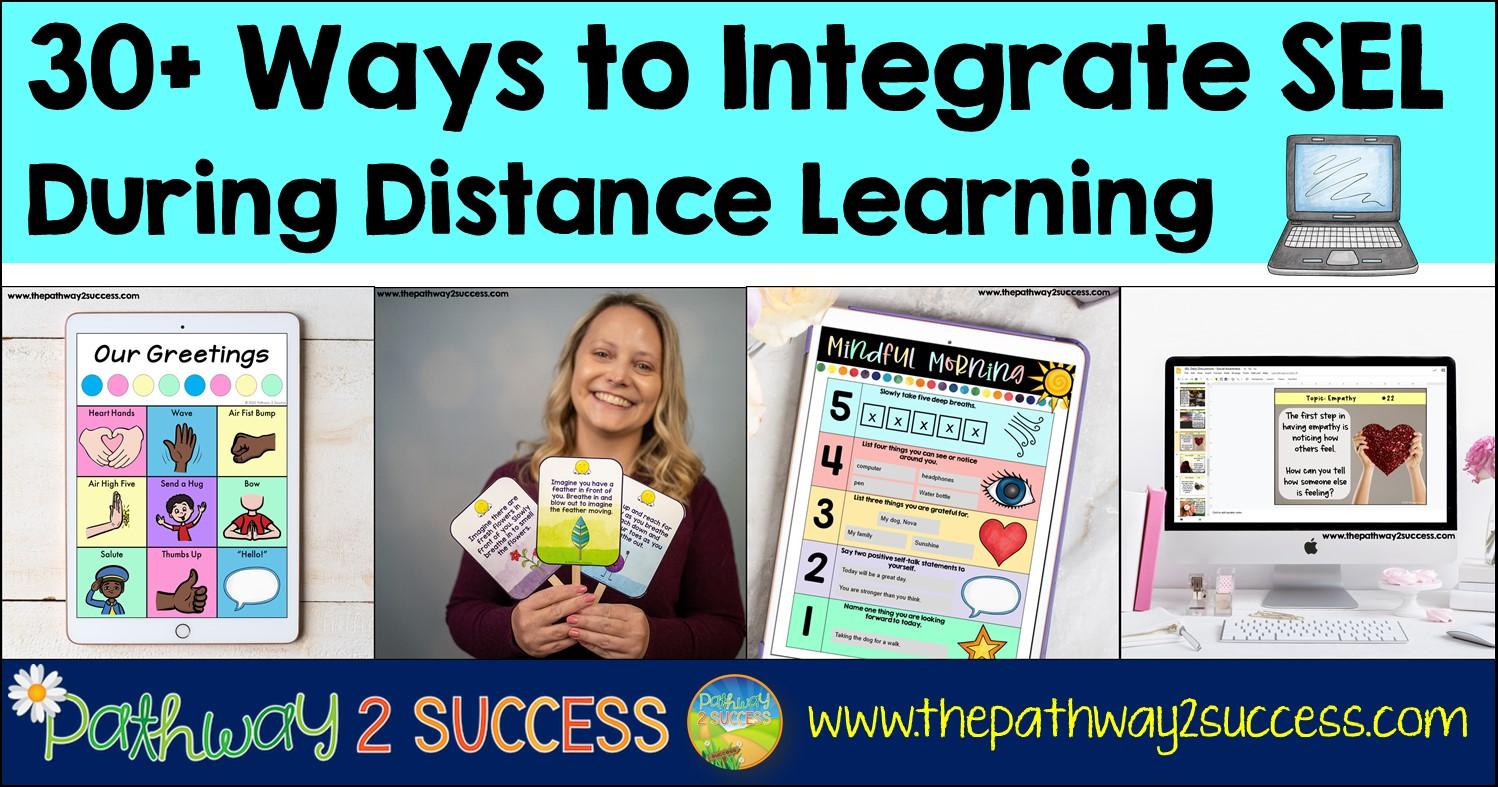
How to Effectively Integrate SEL into Your Digital Classroom: Strategies for Educators
Remote learning and digital classrooms bring unique opportunities—and challenges—to today’s educators. One essential approach is harnessing social-emotional learning (SEL) to foster connection, resilience, and academic success. But how can you seamlessly integrate SEL into your digital classroom environment?
This article provides actionable SEL strategies,benefits,and real-world tips tailored for online educators.Discover how to create a dynamic, supportive digital space where students can thrive both emotionally and academically.
What is Social-Emotional Learning (SEL)?
Social-Emotional Learning (SEL) is the process through which children and adults develop social and emotional skills critical to managing emotions, building positive relationships, and making responsible decisions. SEL is linked to improved academic performance, mental well-being, and long-term success.
- Self-awareness: Recognizing one’s emotions and strengths.
- Self-management: Regulating emotions and behaviors.
- Social awareness: Empathy and understanding others.
- Relationship skills: Building and maintaining healthy relationships.
- Responsible decision-making: Making ethical and safe choices.
Why Integrate SEL into Digital Classrooms?
Moving to an online platform can make it challenging for students to connect and for educators to cultivate a positive learning environment. Integrating SEL in virtual education offers notable benefits:
- Enhances student engagement and participation in lessons.
- Reduces anxiety and stress associated with remote learning.
- Builds a sense of belonging, even when students are physically apart.
- Improves academic outcomes and personal growth.
Top Strategies to Effectively Integrate SEL into Your Digital Classroom
Now let’s explore comprehensive strategies you can apply to bring SEL into every aspect of your virtual teaching,using tools and tactics that are proven to work.
1. Start Your Day with Check-Ins
Regular emotional check-ins create a supportive atmosphere. Try these methods:
- Use Google Forms or Microsoft Teams Polls to collect mood responses.
- Start live sessions with quick “How are you feeling?” activities or emoticon polls.
- Encourage students to share successes or challenges anonymously or in breakout rooms.
2. Incorporate Mindfulness and Reflection Activities
Mindfulness is a powerful SEL tool in digital classrooms:
- Play guided meditation or breathing exercises during transition times using tools like Calm or Headspace.
- offer journaling prompts to promote self-awareness (digital journals in Google Docs work well).
- Allow time for silent reflection or use apps like Flipgrid for video journals.
3. Build Community with Collaborative Projects
SEL flourishes when students work together:
- Assign small-group tasks in Zoom breakout rooms or via collaborative platforms such as Padlet or Jamboard.
- host peer-review sessions to foster constructive feedback and empathy.
- Celebrate team achievements with digital badges or shout-outs in newsletters.
4. Model and Teach Empathy & Respect Online
Demonstrate digital etiquette and empathy:
- Create contracts on respectful communication (e.g., “Netiquette” guidelines).
- Initiate discussions on empathy using multimedia, such as campaign videos or stories.
- Address cyberbullying with resources from Common Sense Education or the Cyberbullying Research Center.
5.Leverage EdTech Tools for SEL Integration
Choose platforms specifically designed for SEL:
- Nearpod: Offers SEL lesson templates and interactive activities.
- ClassDojo: Facilitates positive feedback, goal setting, and parent engagement.
- GoNoodle: Provides movement and mindfulness videos for virtual brain breaks.
- Flipgrid: Allows sharing thoughts and feelings through secure video responses.
6. Encourage Student Voice and Choice
Empower students by giving them agency:
- use polls or suggestion boxes for students to select topics or learning paths.
- Implement choice boards with SEL-focused options (gratitude exercises, goal setting, group discussions).
- Create leadership opportunities with student-led presentations or peer mentoring.
7. Provide Regular Feedback & Celebrate Growth
Feedback and recognition foster SEL and motivation:
- offer personalized, constructive feedback through digital platforms.
- Highlight milestones in SEL skills—such as empathy awards or duty shout-outs.
- Share weekly progress updates and invite students to reflect on personal growth.
Practical Tips for SEL Implementation in Digital Classrooms
- Establish Trust: Create clear expectations for online behavior and participation.
- Foster Inclusion: Recognize cultural and linguistic diversity in SEL activities.
- Teach Explicitly: Integrate SEL vocabulary and skills into lesson plans, not just during “extra” activities.
- Stay Consistent: Schedule regular SEL routines, such as weekly SEL circles or mindfulness exercises.
- Connect with Families: share SEL goals and activities with parents using newsletters, online portals, or virtual coffee chats.
Real-Life Case Study: SEL Success in Digital Learning
Case study: Mrs. Smith’s 5th Grade Virtual Classroom
- Challenge: Students struggled with isolation and motivation in remote learning.
- Solution: Mrs. Smith introduced weekly “SEL Power Hour”—a dedicated time for gratitude journaling, peer shout-outs, and collaborative games using Kahoot.
- Outcome: Attendance and participation increased by 25%, and students reported feeling more connected and confident through regular SEL activities.
First-Hand Experience: Educator Insights
“at first, I was unsure how SEL would fit into my online teaching routine. But after making time for quick emotional check-ins, guided reflections, and collaborative projects, I noticed a marked advancement in my students’ engagement. They became more responsive, supportive, and open—even across screens.SEL isn’t just an add-on; it’s the foundation of my digital classroom’s success.”
– Jenny L., Middle School Teacher
Conclusion: Building a Supportive Digital Classroom with SEL
Effective integration of social-emotional learning into your digital classroom is transformative. by embracing SEL strategies, leveraging technology, and prioritizing emotional connection, educators pave the way for meaningful academic and personal growth—even in virtual spaces.
- SEL fosters student engagement and mental wellness online.
- Practical SEL techniques—from emotional check-ins to collaborative projects—fuel classroom connection and success.
- Both students and educators benefit from a positive, resilient digital community.
As technology continues to reshape education,SEL remains essential. Start today—and watch your online classroom flourish with empathy, motivation, and joy.