
How to Effectively Measure the Impact of SEL Programs: Proven Strategies and Key Metrics
Social and Emotional Learning (SEL) programs are transforming classrooms by fostering skills like emotional regulation, empathy, and responsible decision-making. But how do you know if your SEL initiatives are truly making a difference? Measuring the impact of SEL programs is essential for schools, educators, and policymakers aiming to maximize the benefits of their investments and empower students. In this article, we’ll walk you through proven strategies, practical tips, and the key metrics for evaluating SEL success, ensuring your efforts result in meaningful, long-lasting change.
What is SEL and Why Measure Its Impact?
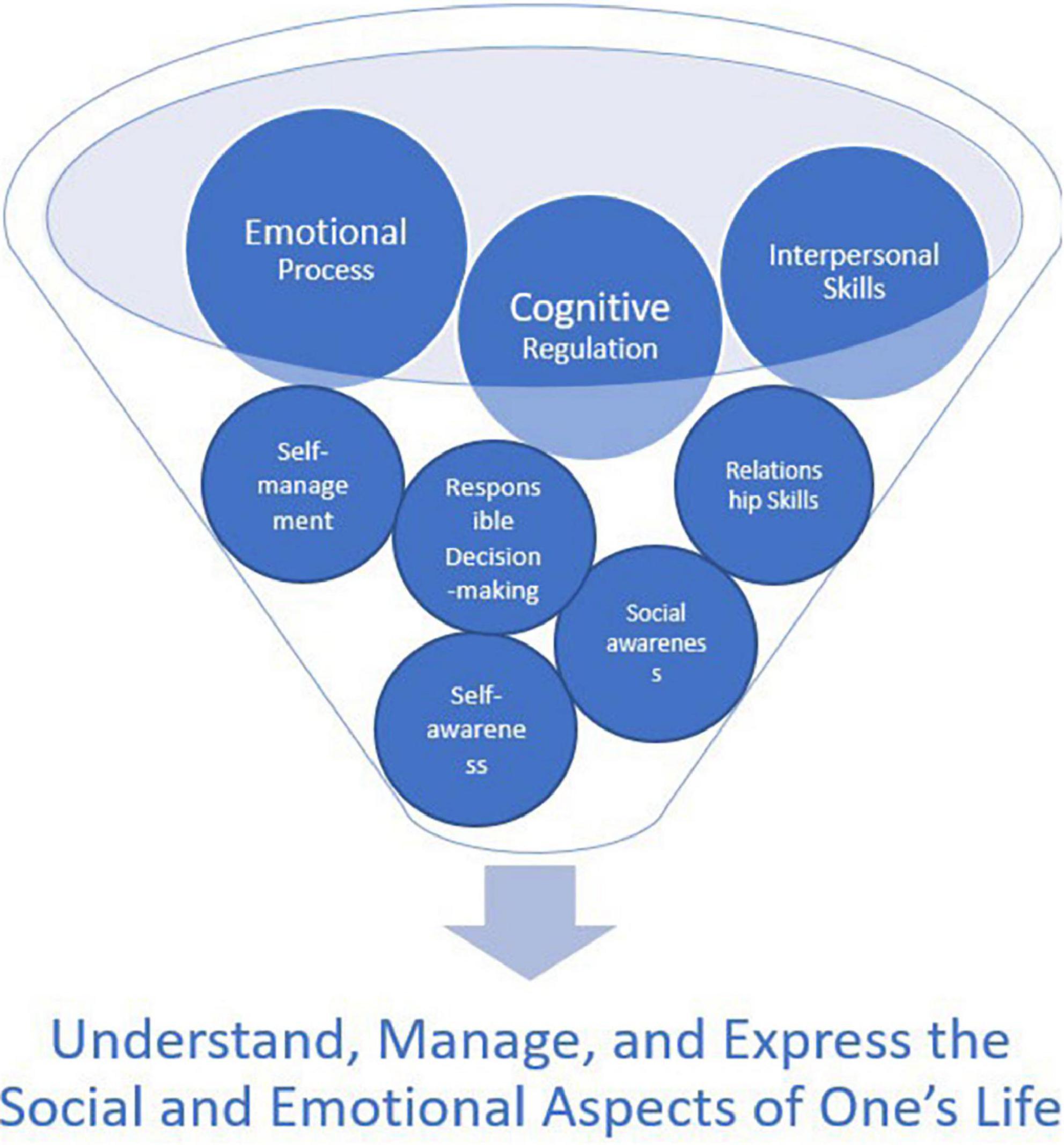
Social and Emotional Learning (SEL) refers to the process of acquiring the skills to understand and manage emotions, set positive goals, show empathy, establish positive relationships, and make responsible decisions. Given the growing emphasis on “whole-child” development, SEL programs are now integral parts of many educational environments.
Measuring the impact of SEL programs not only validates the value of these initiatives but also guides future improvements and supports funding requests. Without clear data, it’s difficult to assess which strategies are working, identify areas for growth, and celebrate successes.
Benefits of Measuring SEL Program Impact
- Data-Driven Decisions: Enables schools to refine SEL strategies based on real evidence.
- Accountability: Demonstrates effectiveness to stakeholders and funders.
- Continuous Betterment: Pinpoints areas for curriculum enhancement and professional development.
- Student Growth: Tracks improvements in student behavior,academic achievement,and school climate.
- Community Support: Builds trust and support among parents,staff,and the wider community.
Proven Strategies for Measuring SEL Program Effectiveness
Effective assessment of SEL programs goes beyond traditional academic evaluations. Here’s how educational leaders approach this vital task:
1. define Clear SEL goals and Outcomes
Before assessing impact, it’s crucial to know what you’re aiming to achieve. Set SMART goals (Specific, Measurable, Achievable, Relevant, Time-bound) tied to SEL competencies such as self-awareness, social awareness, and relationship skills.
- Increase student empathy scores by 20% within a year.
- Reduce behavioral referrals by 30% over two semesters.
- Enhance teacher-rated classroom climate within six months.
2. Use a Multi-Tiered Data Collection Approach
Measuring SEL impact requires both quantitative and qualitative data. combine multiple assessment methods for a more comprehensive understanding:
- Self-Report Surveys: Ask students and staff to report their social-emotional skills and experiences (e.g., DESSA, SSIS, Panorama).
- Direct Observations: Teachers and administrators observe behaviors aligned with SEL competencies.
- Academic and Behavioral Records: Monitor attendance, grades, disciplinary incidents, and suspension rates.
- Focus Groups & Interviews: Gather insights from students, staff, and parents regarding SEL’s impact on the learning surroundings.
3. Leverage Validated SEL Assessment Tools
Rely on established and validated tools for accurate measurement.Some of the most effective SEL assessment tools include:
| Tool Name | Description | Key Features |
|---|---|---|
| DESSA (Devereux Student Strengths Assessment) | Measures social-emotional competence in children K-12 through teacher or parent reports. | Strength-based; Highly validated; Actionable reports |
| Panorama SEL Surveys | Offers student, staff, and family surveys aligned to CASEL competencies. | Customizable; Easy data tracking; Reports for all stakeholders |
| Social Skills Improvement System (SSIS) | Assesses social skills, problem behaviors, and academic competence. | Teacher/parent/student forms; Widely used; Tracks changes over time |
| Strengths and Difficulties Questionnaire (SDQ) | Evaluates behavioral and emotional wellbeing in youth. | Brief; Ages 2-17; Free to use |
Key Metrics for Measuring the Impact of SEL Programs
Pinpointing the right metrics can make or break your SEL evaluation process. Below are the most critically important key performance indicators (KPIs) to consider:
- Behavioral Changes: Reduction in office referrals,suspensions,or bullying incidents.
- Academic Performance: Improvements in grades, test scores, attendance rates, and classroom participation.
- Social-Emotional skills: Increases in self-management, relationship skills, social awareness, and emotional regulation as measured by validated tools.
- School Climate: Enhanced sense of belonging, safety, and student engagement.
- Stakeholder Perceptions: Positive changes in how students, teachers, and parents view the learning environment.
table: Example SEL Program Metrics
| Metric category | Example KPI | Data source |
|---|---|---|
| Behavioral | Office discipline referrals decreased by 25% | School records |
| Academic | Attendance rate increased by 5% | Student data system |
| SEL skills | Empathy scores up by 15 points | Panorama Student Survey |
| school Climate | 90% of students feel safe at school | Climate survey |
| perceptions | 87% of parents report improved interaction skills | Parent feedback forms |
Case Studies: SEL Program Measurement in Action
Case Study 1: Urban Elementary School
An inner-city elementary school implemented DESSA-based SEL lessons. Through biannual surveys and reviewing behavior referrals, the school saw a 35% reduction in disciplinary incidents and a 20% improvement in teacher-reported relationship skills within one year.
Case Study 2: Suburban Middle school
After rolling out Panorama’s SEL survey, this school identified decreased student engagement as a concern. They used results to launch targeted relationship-building activities. In the following year, student participation in extracurriculars rose by 28% and “school connectedness” survey scores improved substantially.
“When we shared the specific SEL growth data with teachers, it helped them understand their own impact, fueling continued enthusiasm for the program.” — SEL Coordinator, Middle School
Practical Tips for Monitoring and Improving SEL Impact
- Baseline Assessments: always establish pre-program data points to later compare growth.
- Ongoing, Not Just One-Time, Measurement: Collect data multiple times each year to track trends and adapt quickly.
- Incorporate Student Voice: Include student reflections, projects, and self-assessments alongside quantitative data.
- Share Findings with Stakeholders: Celebrate progress in newsletters, community meetings, and staff PD sessions.
- Embed Measurement Into Daily Practice: Encourage teachers to reflect on SEL skill development during weekly staff meetings.
Common Challenges and Solutions in SEL Impact Evaluation
-
Challenge: Difficulty quantifying “soft” skills
Solution: Use validated, behavior-oriented tools and triangulate with multiple data sources for robust evidence.
-
Challenge: Survey fatigue among students and staff
Solution: Keep assessments brief, communicate the purpose, and share results transparently to increase buy-in.
-
Challenge: Limited resources and time
Solution: Integrate SEL measurement with other school data collection practices and use digital tools where possible.
Conclusion: Empower Your SEL Program with Strong Measurement
A data-informed approach to Social and Emotional Learning ensures that your efforts genuinely enhance student well-being and academic success. By setting clear goals, using proven assessment methods, tracking key metrics, and learning from real-world examples, your school or organization can maximize the impact of its SEL program.
Effectively measuring the impact of SEL programs isn’t just about numbers. It’s about understanding the stories, challenges, and triumphs of your learning community. With the right strategies in place, you can foster sustained growth—and build the compelling evidence needed to scale your SEL initiatives.
Ready to strengthen Your SEL Measurement?
Explore recommended assessment tools, gather robust data, and start transforming your school climate today. For more guidance and resources on Social and emotional Learning, subscribe to our newsletter or contact our SEL experts for a personalized consultation.