
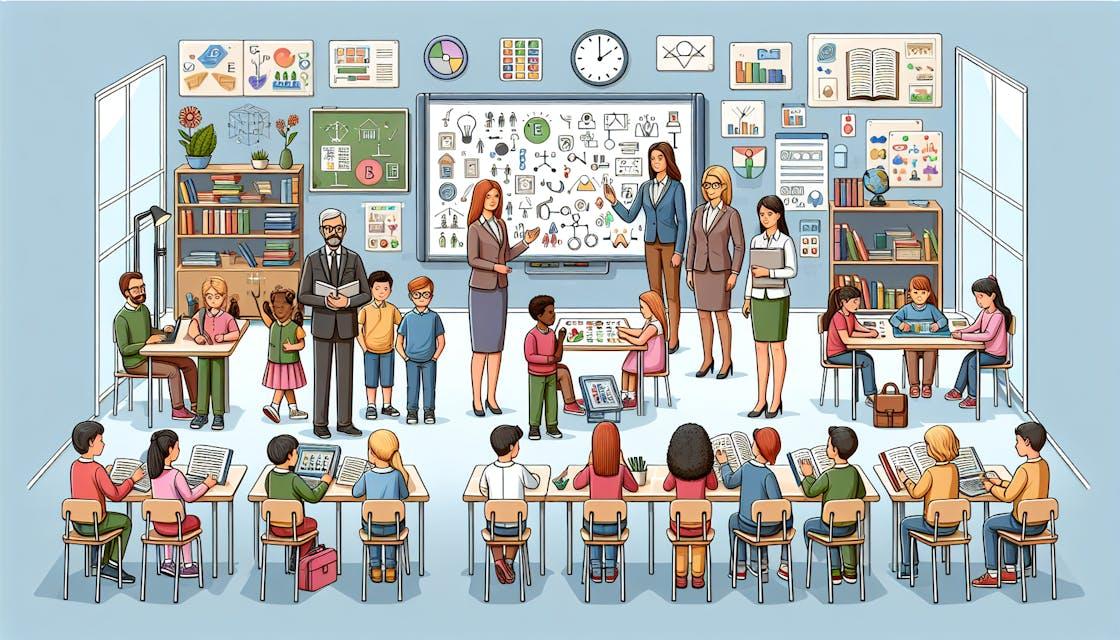
How to Effectively Train Educators for Inclusive Teaching Practices: Strategies and Best Approaches
Introduction: The Importance of Inclusive Education Training
As educational institutions strive to create equitable environments, the need for inclusive teaching practices has never been greater.Training educators to effectively address diverse classroom dynamics is central to student success and the broader mission of inclusive education. Are you ready to equip your teaching staff with the right strategies, skills, and mindset for inclusivity? In this comprehensive guide, we’ll explore how to effectively train educators for inclusive teaching practices, providing actionable strategies, best approaches, and valuable tips to foster truly inclusive classrooms.
What Are Inclusive Teaching Practices?
Inclusive teaching practices involve designing and delivering instruction that meets the diverse learning needs of all students, regardless of background, ability, or identity. This inclusive approach ensures every student feels valued, respected, supported, and challenged to achieve high standards.
- Adapting lesson plans to cater to different learning styles
- Creating a positive classroom culture for students of all backgrounds
- Encouraging collaboration and understanding among students
- Removing barriers to learning for students with disabilities or special needs
Why Training Educators in Inclusive Practices Matters
Properly training educators is essential to the successful implementation of inclusive teaching strategies. Without effective training, even the most passionate teachers may struggle to meet the diverse needs of their students. Inclusive teaching training empowers educators to:
- Recognise and address unconscious biases
- Utilize differentiated instruction and assessment
- Build stronger relationships with students and families
- Foster a sense of belonging for every student
Well-trained teachers contribute to improved academic outcomes and greater student engagement, setting the stage for lifelong learning and social development.
Key Strategies for Effective Educator Training
Building an inclusive classroom begins with robust,evidence-based teacher training. Here are some of the best approaches to training educators for inclusive teaching practices:
1. professional Development Workshops
Regular, hands-on workshops allow educators to learn new teaching methodologies, participate in role-playing scenarios, and discuss challenges in a safe, supportive environment. Effective workshops should cover:
- Differentiation techniques
- Universal Design for Learning (UDL)
- Cultural competency training
- Case studies on inclusivity
2. Peer coaching and Mentorship
Pairing experienced educators with newer teachers facilitates the sharing of inclusive teaching strategies and real-world classroom solutions. Mentorship supports ongoing professional growth and allows for the exchange of best practices in inclusive education.
3. Collaborative Learning Communities (PLCs)
Professional Learning Communities foster an environment where educators can collaboratively reflect on their teaching practices,analyze student data,and develop action plans for inclusion. PLCs are invaluable for continuous betterment and mutual support.
4. Online Courses and E-Modules
Online professional development platforms offer self-paced modules on a range of topics—differentiation, special education law, and trauma-informed teaching, to name a few. Virtual training is accessible and adaptable to busy teaching schedules.
5. Incorporate Reflective Practice
Encourage teachers to engage in regular self-reflection through journals, teaching portfolios, or collaborative dialogues. Reflective practice helps educators identify areas for improvement and celebrate inclusive successes.
6. Utilize Real-Life Case Studies
Integrating case studies and first-hand experiences into training programs helps educators visualize inclusive strategies in real classroom settings. Analyzing successes and challenges from actual classrooms cultivates practical problem-solving skills.
benefits of Effective Inclusive Teaching Training
- Enhanced Student Engagement: Tailoring instruction for individual differences maximizes participation and motivation.
- Reduction of Achievement Gaps: Inclusive strategies help level the academic playing field for all students.
- Positive School Culture: A sense of belonging fosters respect, empathy, and a supportive learning environment.
- professional Growth: Educators gain competence and confidence in managing diverse classrooms.
- Greater Family and Community Involvement: inclusive schools are more welcoming to families from different backgrounds, fostering stronger partnerships.
Practical Tips for Implementing inclusive Training Programs
- Develop clear program goals and desired outcomes for inclusive education.
- Select trainers with expertise in inclusive practices and cultural competency.
- Include students and families with diverse experiences in advisory roles.
- Provide ongoing support and resources (workshops, coaching, and materials).
- encourage feedback from teachers and adapt training programs accordingly.
- Recognize and celebrate progress and success stories within your school community.
Real-Life Success Stories: Inclusive Teaching in Action
Case Study 1: Introducing UDL at Greenwood Elementary
Greenwood Elementary implemented a Universal Design for Learning (UDL) framework as part of its professional development initiative. By training teachers to create multiple means of engagement and assessment, student participation increased by 25%. Teachers reported feeling more equipped to support students with learning differences, and overall school climate surveys showed a significant improvement in perceptions of inclusivity.
Case Study 2: Peer Mentorship Success at lincoln High
lincoln High launched a peer mentorship program where veteran teachers coached less-experienced colleagues on inclusive methods. After one year, disciplinary referrals decreased and both teachers and students expressed higher levels of satisfaction with classroom dynamics.The program’s sustainability lies in its collaborative, ongoing nature.
Firsthand Perspective: A Teacher’s Journey
“Before taking a course on inclusive teaching strategies, I struggled to reach all my students,” says ms. Alvarez,a middle school teacher in Chicago. “Now, I use flexible grouping, varied instructions, and regular feedback to engage everyone. Comprehensive training gave me the confidence and tools to make true inclusion a reality in my classroom.”
Conclusion: Fostering an Inclusive Future in Education
Effective training for inclusive teaching practices is a cornerstone of educational excellence and equity. By investing in high-quality professional development, leveraging collaborative communities, and embracing ongoing learning and reflection, schools can empower educators to transform classrooms for the better. The result is a richer learning environment—one where every student, regardless of ability or background, can flourish.
Ready to begin your school’s journey toward inclusive education? Explore available training programs, foster collaboration among your staff, and commit to ongoing improvement. Inclusive classrooms start with you!