
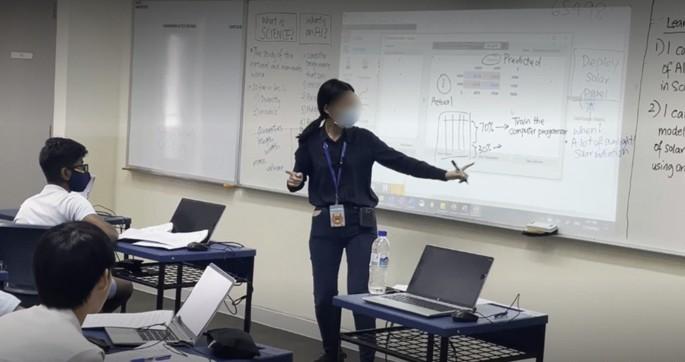
How to effectively Train Teachers for AI-Integrated Classrooms: Best Practices and Strategies
Artificial Intelligence is rapidly transforming the educational landscape. Yet to truly unlock its potential, educators must be equipped with the right skills, knowledge, and mindset. In this guide, we share comprehensive best practices and strategies for effectively training teachers for AI-integrated classrooms.Whether you’re a school leader, technology coach, or teacher, discover proven approaches to ensure a future-ready, engaging, and successful AI-powered learning surroundings.
Why AI-Integrated Classroom Training Matters
As AI in education becomes more prevalent, successful integration hinges on educators who are confident and competent in using AI tools to enhance teaching and learning. Effective teacher training ensures:
- Seamless adoption of AI technologies into curricula and daily instruction
- Increased student engagement through personalized learning experiences
- Ethical awareness and responsible use of AI tools
- Continued professional growth and adaptation to emerging technologies
Key Challenges in Training Teachers for AI-Integrated Classrooms
Training teachers for AI-integrated classrooms comes with unique challenges, such as:
- Varied levels of digital and AI literacy among educators
- Limited access to resources or high-quality training programs
- Concerns about data privacy, ethics, and the role of AI in teaching
- Resistance to change or apprehension about replacing customary teaching methods
addressing these challenges is essential for running effective professional development and fostering a culture of innovation.
Best Practices for Training Teachers in AI-Integrated Classrooms
Best practices in teacher training for AI integration combine hands-on experience, collaborative learning, and ongoing support. Here’s a step-by-step guide:
1. Start with Foundational AI Literacy
- Introduce AI concepts with approachable language — demystify AI, machine learning, and data science.
- Offer AI literacy workshops covering the basics of how AI works and its implications for education.
- Highlight real-life examples of AI in everyday tools (e.g., chatbots, advice engines, adaptive learning software).
2. Connect AI Tools to Curriculum and Instructional Goals
- Map available AI tools—like smart tutoring systems, automated grading, and personalized content—to existing curricula.
- Facilitate lesson planning sessions where teachers integrate AI resources into their subject areas.
- Discuss how AI can differentiate instruction, support diverse learners, and enhance assessment practices.
3. Prioritize Hands-On, Interactive Training
- Offer practice-based workshops where teachers actively use AI-powered educational tools in simulated classroom scenarios.
- Encourage experimentation through sandbox environments, pilot programs, and classroom trials.
- Involve teachers in co-creating example lesson plans and resources using AI platforms.
4. Encourage Collaboration and Peer Learning
- Create professional learning communities (PLCs) for ongoing sharing of best practices on AI-integrated teaching.
- foster mentoring programs where early adopters and tech-savvy educators support their peers.
- Use collaborative lesson study, coaching cycles, and group problem-solving to build confidence in AI use.
5.Address Ethical, Social, and Equity Considerations
- Provide explicit training on AI ethics, data privacy, and digital citizenship.
- Discuss algorithmic biases, inclusive AI design, and equitable access for all students.
- Share frameworks and checklists for safe, responsible AI tool selection and classroom use.
6. Offer Continuous Support and Professional Development
- Schedule refresher courses and updates as AI tools evolve.
- Host regular Q&A sessions, webinars, and office hours with technology integration coaches.
- Provide digital resource hubs, video tutorials, and support documents for continued reference.
Practical Tips for Successful Teacher Training in AI
- Start small: Pilot one or two AI tools before scaling training efforts.
- Solicit teacher feedback frequently; adapt training to their needs and student outcomes.
- Celebrate successes and document case studies to inspire wider adoption.
- Include student perspectives and feedback in evaluating AI tool effectiveness.
- partner with edtech companies, universities, or AI experts for specialized workshops and resources.
Case Studies: Successful AI Integration in Schools
Examining real-world examples can illuminate best practices and inspire confidence. Consider these case studies:
Case Study 1: Enhancing Literacy with AI-driven Tutoring — springfield Middle School
“After training our teachers to use adaptive reading platforms,we saw reading scores rise by 20% in one year. peer-led PD sessions and ongoing coaching were key to our success.”
Case Study 2: Personalized Learning with AI — Greenleaf High School
“Through hands-on AI tool integration workshops, our math department custom-tailored lessons for each student. Absenteeism dropped, and engagement soared.”
First-Hand Experience: A Teacher’s Perspective on AI Training
“When I first encountered AI tools in my classroom,I felt overwhelmed. But interactive training, along with peer coaching, turned my apprehension into excitement. Now, AI helps me reach students I struggled to differentiate for before. My best advice? Embrace experimentation and lean on your professional community!”
Benefits of Investing in AI-Integrated Teacher Training
- Boosts teacher confidence and technology adoption rates
- Improves student learning outcomes through personalized instruction
- Promotes lifelong learning culture among teachers and students
- Equips educators to navigate future technological advancements with ease
- Fosters ethical and responsible technology usage within the school community
Conclusion: Empowering Teachers for the Future of Learning
Effective training for AI-integrated classrooms is more than just a technical upgrade—it’s a strategic investment in the future of education.By blending foundational AI literacy, practical classroom integration, collaborative professional development, and ongoing support, schools can ensure their teachers—and their students—thrive in an AI-enhanced world. Remember, embracing AI in education starts with empowered, inspired educators who are ready to transform learning for every student.
Ready to bring your school’s teacher training into the age of AI? Begin with small steps, foster a culture of curiosity, and watch as both educators and students flourish in AI-integrated classrooms.