
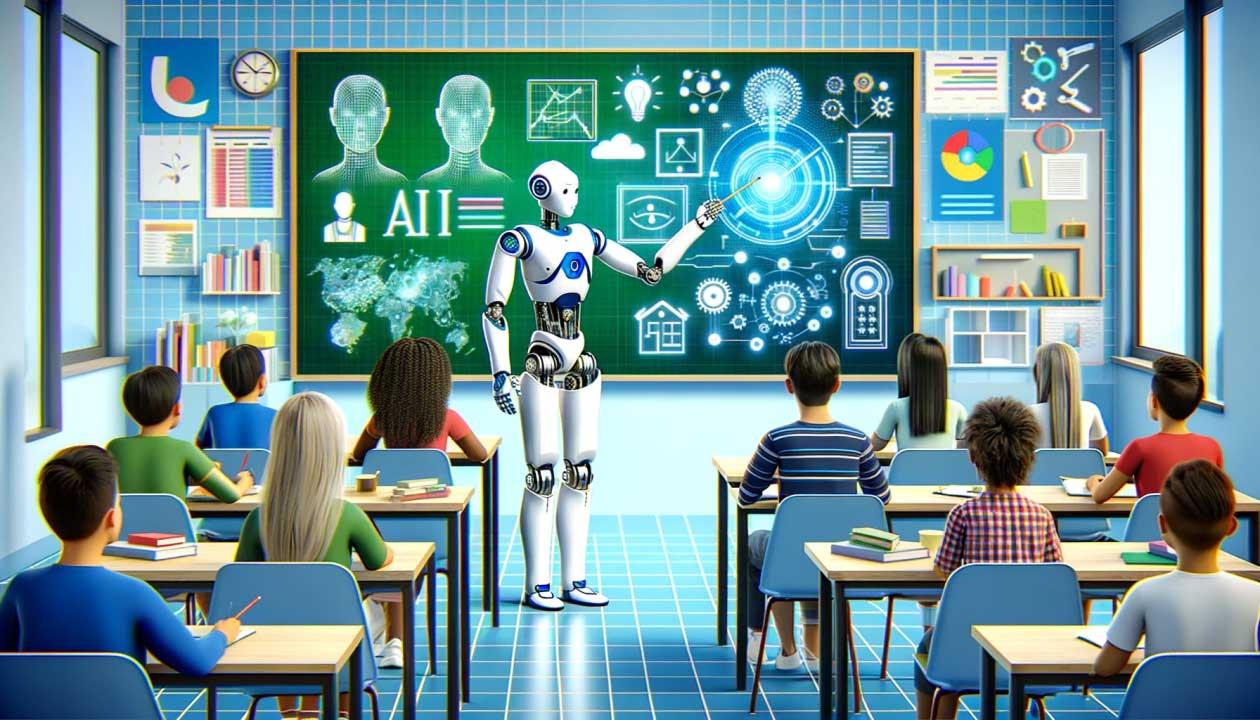
How to Effectively Train Teachers for AI-integrated Classrooms: Essential strategies and Tips
The integration of artificial intelligence (AI) in education has revolutionized classroom experiences, streamlining administrative tasks and personalizing learning for students. However, the true potential of AI-integrated classrooms can only be unlocked when teachers are effectively trained in using these advanced educational technologies.This comprehensive guide explores proven strategies, essential tips, and actionable insights for training teachers in AI-enabled teaching environments, ensuring both educators and their students benefit from the future of learning.
Why Teacher Training for AI-Integrated Classrooms Matters
AI in education brings countless advantages: adaptive learning platforms, intelligent feedback systems, and automated assessments are just a few examples. But without targeted AI professional development, teachers can feel overwhelmed, hesitant, or underprepared. Investing in AI training for teachers is crucial for:
- Increasing teacher confidence and competence with new tools
- Maximizing technology adoption and usage
- Ensuring ethical and responsible use of AI in classrooms
- Improving student outcomes and engagement
- Keeping up with rapid technological change
Key Strategies for Training Teachers in AI-Integrated Classrooms
Deploying AI in the classroom is not a one-size-fits-all approach.Effective training for teachers requires a blend of practical, ongoing, and individualized learning experiences. Below are essential strategies for accomplished AI teacher training programs:
1. Begin with Awareness and Mindset Shifts
- Highlight the Value: Start training with real-world examples and case studies showing how AI tools enhance lesson planning, assessments, and classroom management.
- Address Misconceptions: Clarify what AI can and can’t do.Encourage teachers to see AI as a partner, not a replacement.
- Foster a Growth Mindset: Explore the evolving role of teachers in AI-driven education and emphasize continuous learning.
2. Offer Practical, Hands-On Training Sessions
- Interactive Workshops: Provide step-by-step guidance on using AI tools like personalized content platforms, grading automation, or chatbots.
- Simulations and Sandboxes: Allow teachers to safely experiment with AI applications before integrating them into their teaching.
- Real Classroom Scenarios: Design activities that let educators apply AI solutions to typical teaching challenges.
3. Personalize Training for Diverse Needs
- Assess starting Points: Conduct initial skills assessments to tailor training pathways.
- Modular Learning: Offer courses or micro-credentials focused on specific AI applications (e.g., adaptive learning systems, data analysis, plagiarism detection).
- Self-Paced Resources: Curate online tutorials and video guides for independent learning.
4. Foster Continuous professional Development
- Mentorship and Coaching: Pair experienced teachers or tech coaches with those new to AI tools.
- Peer Learning Communities: Facilitate discussion forums, webinars, or regular meetups for sharing best practices and troubleshooting.
- Certification programs: Encourage participation in recognized AI teaching certifications to validate skills.
5. Address Ethics, Privacy, and Digital citizenship
- Ethical AI Use: Train teachers on bias, privacy, and responsible AI deployment in classrooms.
- Student Data Protection: Stress the importance of safeguarding student information and following relevant regulations.
- Modeling Good Digital Citizenship: Prepare teachers to teach students about interacting safely and ethically with AI systems.
Essential Tips for Successful AI Teacher Training
- Start Small: Introduce one or two AI tools at a time, allowing teachers to gain confidence before scaling up.
- Connect to Curriculum: Demonstrate how AI supports learning objectives and enhances subject-specific teaching.
- Encourage Experimentation: Cultivate a safe environment for trial and error—innovation thrives when mistakes are viewed as learning opportunities.
- Solicit Feedback: Regularly gather teacher input to refine training content and delivery based on their needs and comfort levels.
- Highlight Success Stories: Share examples of improved student engagement, efficiency, or assessment made possible by AI adoption.
Benefits of Well-Trained Teachers in AI-Integrated Classrooms
Schools that invest in robust AI teacher training programs report transformative benefits, including:
- Increased Efficiency: Teachers automate routine tasks, gain insights from data analytics, and free up time for creative instruction.
- Personalized Instruction: AI-driven platforms adapt lessons to individual student needs, enabling differentiated instruction at scale.
- Higher Engagement: Interactive and adaptive AI tools boost student participation and motivation.
- Stronger Teacher-student Relationships: With more time freed from administrative work, teachers can focus on meaningful connections and mentorship.
Case Studies: AI Teacher Training in action
Poway Unified School District, California
The district rolled out adaptive learning software across its middle schools. Before implementation, teachers attended a three-month AI professional development program featuring hands-on workshops and ongoing coaching. As a result, teacher buy-in increased by 40%, and student outcomes in math improved by 18% within two semesters.
Global online Academy (GOA)
GOA introduced AI-powered assessment platforms for its remote educators. Teachers participated in virtual training modules, peer-to-peer mentoring, and ethics workshops. Post-training surveys revealed a 90% confidence rate among teachers in using AI tools to personalize learning and maintain academic integrity.
First-Hand Experience: A Teacher’s Perspective
“When my school introduced AI-driven grading, I was initially skeptical. But after attending practical workshops and collaborating with colleagues, I not only saved hours each week but also gained valuable insights into my students’ learning patterns. The training changed my teaching—and my mindset about technology’s role in the classroom.”
– Linda M., High School English Teacher
FAQs: Training Teachers for AI-Enabled Classrooms
- Q: How long does it take to train teachers for AI-integrated teaching?
A: It varies. Initial training can take several sessions, but ongoing development, follow-ups, and support should be continuous to ensure lasting adoption.
- Q: What are the biggest challenges educators face when adopting AI?
A: Main challenges include lack of time, fear of technology, concerns around data privacy, and unclear pedagogical value. Addressing these through tailored training is key.
- Q: Can AI teacher training be delivered online?
A: Absolutely. Many professional development modules, webinars, and certification courses are available online, making training accessible and flexible.
Conclusion: Empowering Educators for the Future of Learning
The success of AI-integrated classrooms hinges on the confidence, knowledge, and readiness of teachers to harness the power of artificial intelligence. With the right training strategies, ongoing support, and a commitment to ethical, student-centered teaching, educators can transform their practise—and their students’ futures. As schools and districts invest in comprehensive AI professional development, they position their communities at the forefront of 21st-century learning.
By prioritizing practical, personalized, and ongoing AI teacher training, educational institutions not only navigate the complexities of digital transformation but also unlock new opportunities for student growth and achievement in the age of artificial intelligence.