
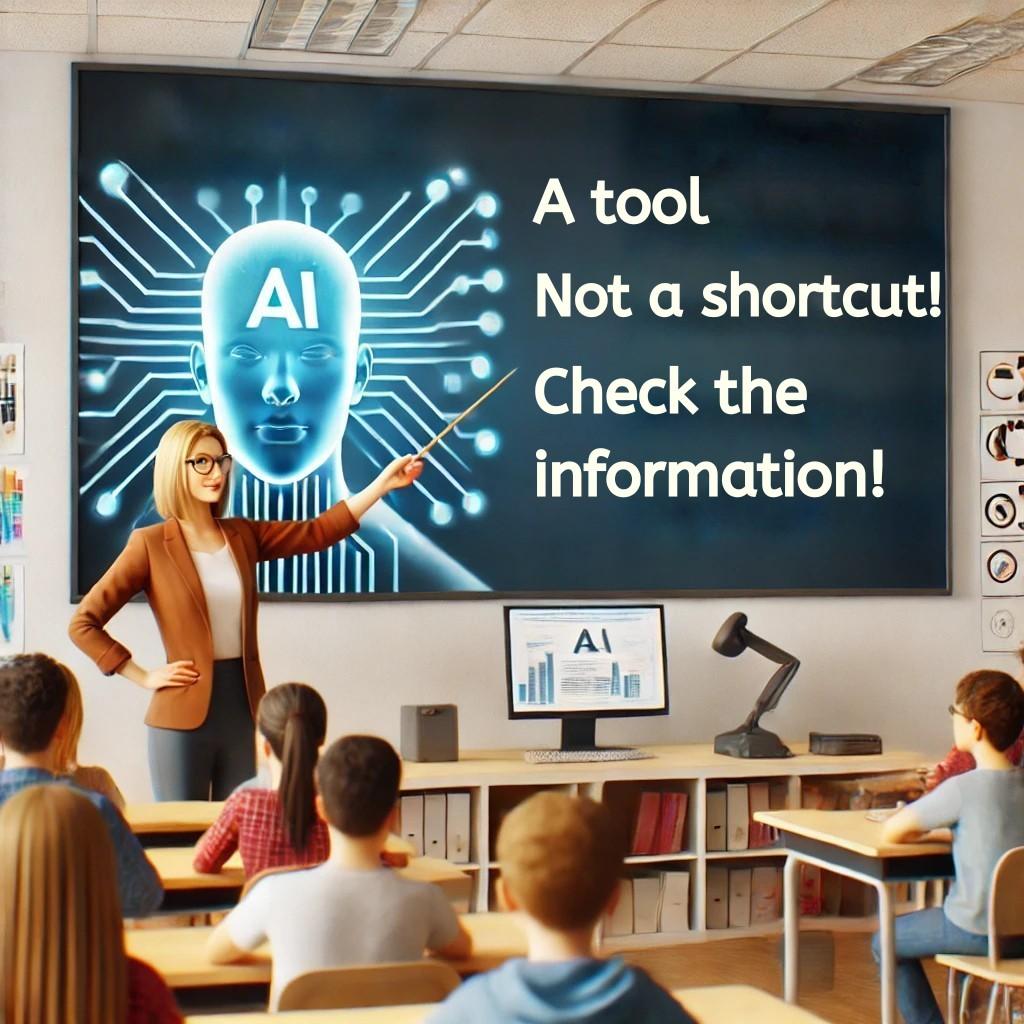
How to Effectively train Teachers for AI-Integrated Classrooms: Strategies and Best Practices
Artificial Intelligence (AI) is transforming education, unlocking new learning opportunities, personalizing content, and streamlining administrative tasks. Though, the prosperous integration of AI in classrooms heavily depends on how effectively teachers are trained to utilize these innovative technologies.Whether you’re a school administrator, educational leader, or a teacher eager to embrace the future of education, understanding how to train teachers for AI-integrated classrooms is critical. In this comprehensive guide, we’ll explore proven strategies, actionable best practices, the benefits of AI in education, and real-world case studies to ensure educators are confident and prepared to harness the power of AI for student success.
Table of Contents
- The Importance of Teacher Training for AI-Integrated Classrooms
- Effective Strategies to Train Teachers for AI-Integrated Classrooms
- Benefits of Proper AI Training for Teachers
- Best Practices for Professional Development
- Real-World Case Studies and success Stories
- Overcoming Common Challenges in AI Teacher Training
- Conclusion
The Importance of Teacher Training for AI-Integrated Classrooms
integrating AI into classrooms is more than simply adopting new tools.Teachers need to understand how to use AI-powered educational technologies, interpret data-driven insights, and adapt lesson plans accordingly. Effective teacher training empowers educators to:
- Maximize student engagement with personalized learning pathways
- Automate grading and administrative tasks, allowing more focus on instruction
- Utilize data analytics to identify learning gaps and tailor interventions
- Foster digital literacy and prepare students for an AI-driven world
without robust training programs, even the most advanced AI tools can go underutilized, impeding educational progress.
Effective Strategies to Train Teachers for AI-Integrated Classrooms
For AI integration in education to be successful, teacher training must go beyond basic tool demonstrations. Here are key strategies for effective professional development:
1. Hands-On, Experiential Learning
- Interactive Workshops: Organize workshops where teachers use AI tools in realistic classroom scenarios.
- Simulations: Utilize virtual environments to practice using AI in lesson planning and classroom management.
2. Ongoing Professional Development
- Establish regular training sessions instead of one-off seminars.
- Create online learning modules that teachers can access at their own pace.
- Incorporate microlearning for rapid-topic refreshers on specific AI platform features.
3. peer Mentoring and Collaborative Learning
- Encourage teachers to collaborate and share AI implementation ideas.
- Establish a mentorship program pairing tech-savvy educators with novices.
- Use professional learning communities (PLCs) to foster ongoing support.
4. Customization to Subject and Grade Level
- Tailor AI training based on specific curriculum needs (e.g. STEM, literacy, arts).
- Provide examples and case studies relevant to different grade levels to ensure applicability.
5. Classroom Integration and Feedback
- Allow teachers to integrate AI tools in their own classrooms with ongoing feedback from instructors or coaches.
- Encourage teachers to reflect on their experiences and iterate on their practices.
Benefits of Proper AI Training for Teachers
Well-structured AI teacher training programs offer far-reaching benefits for educators and students alike:
- Increased Confidence: Teachers equipped with AI skills feel more capable in integrating technology and addressing student needs effectively.
- Enhanced student Outcomes: Data-driven insights enable targeted instruction, leading to higher achievement and engagement.
- Reduced Workload: Automation of repetitive tasks frees up teachers to focus on instructional quality and student interaction.
- Professional Growth: AI training provides teachers with valuable digital skills, enhancing career advancement opportunities.
Best Practices for Professional Development in AI-Integrated Classrooms
The following best practices ensure maximum impact of teacher training programs for AI-equipped classrooms:
- Assess Needs and Skill Levels: Begin with a baseline assessment to determine teachers’ current AI knowledge and comfort levels.
- Set Clear Goals: Define clear objectives and outcomes for teacher training sessions aligned with school or district AI integration plans.
- Provide Ongoing Support: Offer continuous access to help desks, coaching, forums, and resource libraries.
- Leverage User-friendly AI Tools: Choose educational AI platforms with intuitive interfaces and strong support documentation.
- monitor and evaluate Progress: Solicit teacher feedback, track adoption rates, and refine programs based on data and outcomes.
- Incentivize Participation: award certifications, digital badges, or professional development credits for milestone achievements.
Practical Tips for School Leaders:
- Engage stakeholders—students, parents, and community members—in your AI vision.
- Include teachers in the selection of AI tools to increase buy-in and relevance.
- Allocate dedicated time during staff meetings for sharing AI-related teaching practices.
- Recognise and celebrate educators who innovate in AI-integrated teaching.
Real-World Case studies and Success Stories
Several schools and districts worldwide are leading the way in AI-powered education,providing valuable examples for teacher training:
Case Study 1: Singapore’s National AI Literacy Program
Singapore introduced a national AI literacy initiative,offering teachers comprehensive workshops,access to AI labs,and online modules. Over 75% of participating teachers reported increased confidence in using AI for differentiated instruction.
Case Study 2: the AI4K12 Initiative (United States)
Through collaborative curriculum design and sustained professional development, school districts across the US have leveraged the AI4K12 framework. Teachers have been equipped with grade-appropriate AI concepts, leading to more engaging STEM instruction and a measurable growth in student interest in computer science.
First-Hand Experience: A Teacher’s Perspective
“Participating in real-time AI simulations and online communities built my confidence and gave me practical skills. having a mentor to guide me during classroom integration was invaluable.”
— Emily Chen, 6th Grade Math Teacher
Overcoming Common Challenges in AI Teacher Training
While the benefits are clear, schools frequently enough face obstacles when training educators for AI integration:
- Fear of Technology: Counter with supportive, non-judgmental training environments and gradual introduction of AI tools.
- Limited Time: Integrate flexible, self-paced online modules and microlearning snippets into teachers’ busy schedules.
- Resource Constraints: Seek partnerships with EdTech companies,local universities,or grant providers to subsidize training costs.
- Lack of Standardization: Develop clear AI integration frameworks at the school or district level to maintain consistency and quality.
By proactively addressing these challenges, educational leaders can pave the way for smoother AI adoption in their institutions.
Conclusion
As AI continues to reshape educational landscapes, the role of well-trained teachers becomes increasingly vital. effective teacher training for AI-integrated classrooms requires a structured approach,blending interactive learning,ongoing support,and collaboration. By investing in quality professional development and addressing challenges head-on, schools set teachers—and ultimately students—up for success in a technology-rich future.
Ready to empower your educators for tomorrow’s AI-driven classrooms? Start building your training program today and unlock the full potential of artificial intelligence in education!