
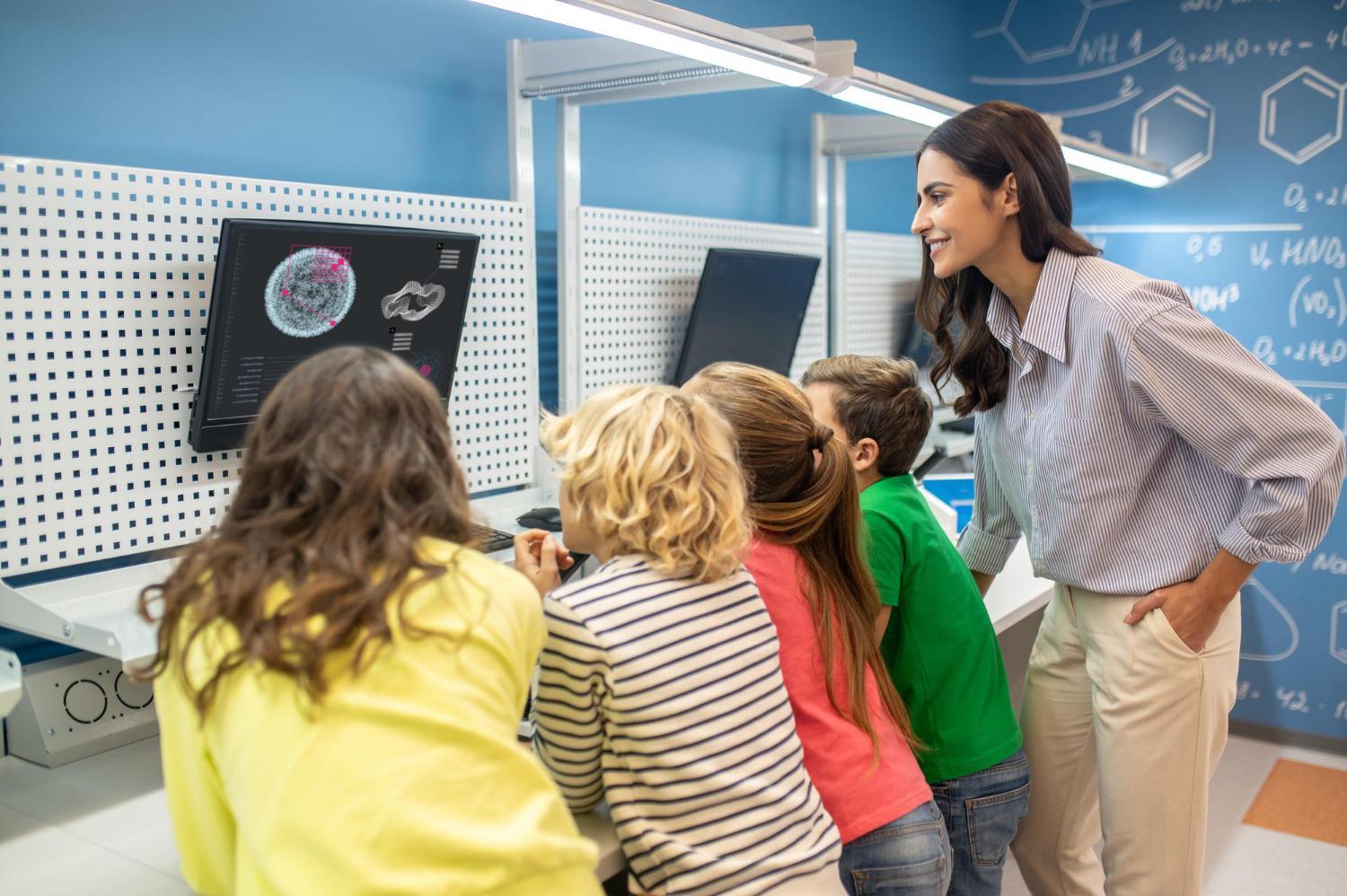
How to Effectively Train Teachers for AI-Integrated Classrooms: Strategies & Best Practices
Discover proven strategies and best practices for effectively training teachers in AI-integrated classrooms. Learn practical tips, benefits, and inspiring case studies to empower educators for the digital age.
How to Effectively Train Teachers for AI-Integrated Classrooms: Strategies & Best Practices
Artificial intelligence is no longer a distant concept—AI-powered tools and platforms are rapidly transforming the landscape of modern education.As schools and institutions pivot to embrace this technological evolution, ensuring teachers are well-prepared to lead AI-integrated classrooms is imperative for student success. But how can we effectively train educators to thrive in this new era? Read on as we explore actionable strategies, best practices, and inspiring real-world examples for empowering teachers with the skills, confidence, and mindset for AI-integrated teaching.
Why Teacher Training for AI-Integrated Classrooms Matters
AI in education promises personalized learning, data-driven insights, streamlined administrative tasks, and fresh avenues for creativity. Though, these benefits can only be realized if educators understand, embrace, and skillfully use AI technologies. Well-trained teachers are crucial for:
- Maximizing the pedagogical potential of AI-driven tools in the classroom
- Addressing digital equity and fostering accessible learning environments
- Equipping students with essential digital literacy and critical thinking skills for the future
- Reducing resistance to change by building teacher confidence
- Mitigating the risks of AI bias and data privacy concerns
Key Challenges in Training Teachers for AI-Integrated Classrooms
before diving into strategies, it’s useful to understand the main obstacles teachers face when transitioning to AI-enhanced teaching:
- Lack of Familiarity: Many teachers have limited knowledge of AI fundamentals.
- Fear of Technology: Some educators worry AI could replace them or undermine their authority.
- resource Constraints: Not all schools have the infrastructure or funding for comprehensive training.
- Rapid Pace of Change: AI tools and best practices evolve quickly, making it hard to keep up.
- Ethical considerations: Teachers need clarity on AI’s role in data privacy, bias, and fair use.
Effective Strategies for training Teachers in AI-integrated Classrooms
A thoughtful, multi-layered approach is essential for successfully preparing educators. Here are proven training strategies for AI in the classroom:
1. Start With AI Foundations
- Offer interactive workshops explaining AI concepts in simple terms.
- Provide hands-on demos with popular educational AI platforms, such as adaptive learning software or AI-driven assessment tools.
- Incorporate microlearning modules for busy teachers to learn at their own pace.
2. Focus on Pedagogical Integration, Not just Technology
- Showcase real-life lesson plans incorporating AI tools aligned with curriculum goals.
- Encourage co-planning and interdisciplinary collaboration for richer instructional design.
- Facilitate discussions on balancing AI assistance with traditional teaching approaches.
3. Prioritize Continuous Professional Growth (CPD)
- Create ongoing CPD programs with regular updates about the latest AI trends.
- Offer certification pathways for teachers specializing in AI integration.
- Leverage online learning platforms, webinars, and MOOCs for flexible training access.
4.Foster a Growth Mindset and Collaborative culture
- Organize professional learning communities (PLCs) focused on AI in education.
- Encourage peer-to-peer mentoring and knowledge sharing among staff.
- Recognize and celebrate early adopters and innovators within yoru teaching community.
5. Address Ethics, Bias, and Digital Citizenship
- Integrate sessions on identifying and mitigating AI bias in classroom algorithms.
- Emphasize the importance of data privacy and responsible use of student data.
- Empower teachers to guide students in ethical AI usage and digital literacy.
6. Support With Practical, On-the-Job Application
- design mentorship or coaching programs with experienced AI-integrated educators.
- Provide “sandbox” environments for safe experimentation with new tools before classroom implementation.
- Offer real-time IT and pedagogical support during the adoption phase.
Best Practices for Lasting AI Teacher Training Programs
- Needs Assessment: Begin with a survey to identify current teacher knowledge gaps and specific training preferences.
- Personalization: Tailor training content based on subject, grade level, and teachers’ previous experience with technology.
- Blended Learning Approach: Combine in-person sessions with digital resources for a flexible learning pathway.
- Measurement & Feedback: Use formative assessment tools to monitor training effectiveness; collect ongoing feedback from teachers to improve the program.
- Leadership Support: Engage school leaders in championing and modeling AI tool adoption.
Practical Tips for Administrators and Trainers
- Start Small, Scale Up: Pilot training with a small group of keen teachers, refine your approach, then expand gradually.
- Utilize Free and Open-Source Tools: Take advantage of free AI platforms, webinars, and resources before investing in costly solutions.
- Involve Students: Encourage a “student tech team” to support teachers and share student perspectives on AI use in learning.
- Communicate Transparently: Address worries about AI job displacement or data privacy head-on with clear, honest dialog.
Benefits of Well-Trained Teachers in AI-Integrated Classrooms
- Enhanced Learning Outcomes: Teachers can personalize instruction and provide instant feedback based on AI-driven analytics.
- Greater Student Engagement: Innovative, interactive tools keep students motivated and curious.
- Time Savings: Automation of grading,attendance,and lesson adaptation frees up teachers to focus on creative and high-touch teaching tasks.
- Professional Growth: educators develop new skills,stay relevant,and boost career satisfaction.
Case Studies & First-Hand Experiences
to illustrate effective teacher training for AI-integrated classrooms, let’s look at practical examples:
Case Study 1: Finland’s National AI Teacher Training program
Finland introduced a free online course, “The Elements of AI,” for both students and teachers nationwide. The blended model (online lessons plus community meetups) saw overwhelming adoption, resulting in higher teacher confidence and a surge in AI-enhanced classroom activities. Teachers credited bite-sized modules, active discussion forums, and leadership support as key enablers.
Case study 2: AI Integration in U.S. K-12 Districts
A large american school district offered ongoing, voluntary CPD workshops using Google Classroom’s AI features and adaptive assessment tools. Teachers worked in mentor-mentee pairs,received stipends for attending,and shared success stories at staff meetings. This hands-on, collaborative approach resulted in widespread adoption, better student outcomes, and enthusiastic staff testimonials.
Conclusion
Effectively training teachers for AI-integrated classrooms is essential for unlocking the full educational potential of artificial intelligence. Through a strategic, well-supported blend of foundational learning, pedagogical alignment, continuous professional development, and ethical guidance, schools can empower educators to confidently navigate the AI-driven educational landscape. By investing in robust teacher training, we ensure not only improved student outcomes but also inspire a culture of innovation and lifelong learning in our schools. It’s time to equip every educator for the classroom of the future—starting today!
Ready to transform your teachers’ AI skills?
Explore our recommended resources for AI-in-education training and schedule a free strategy call with our EdTech experts.