
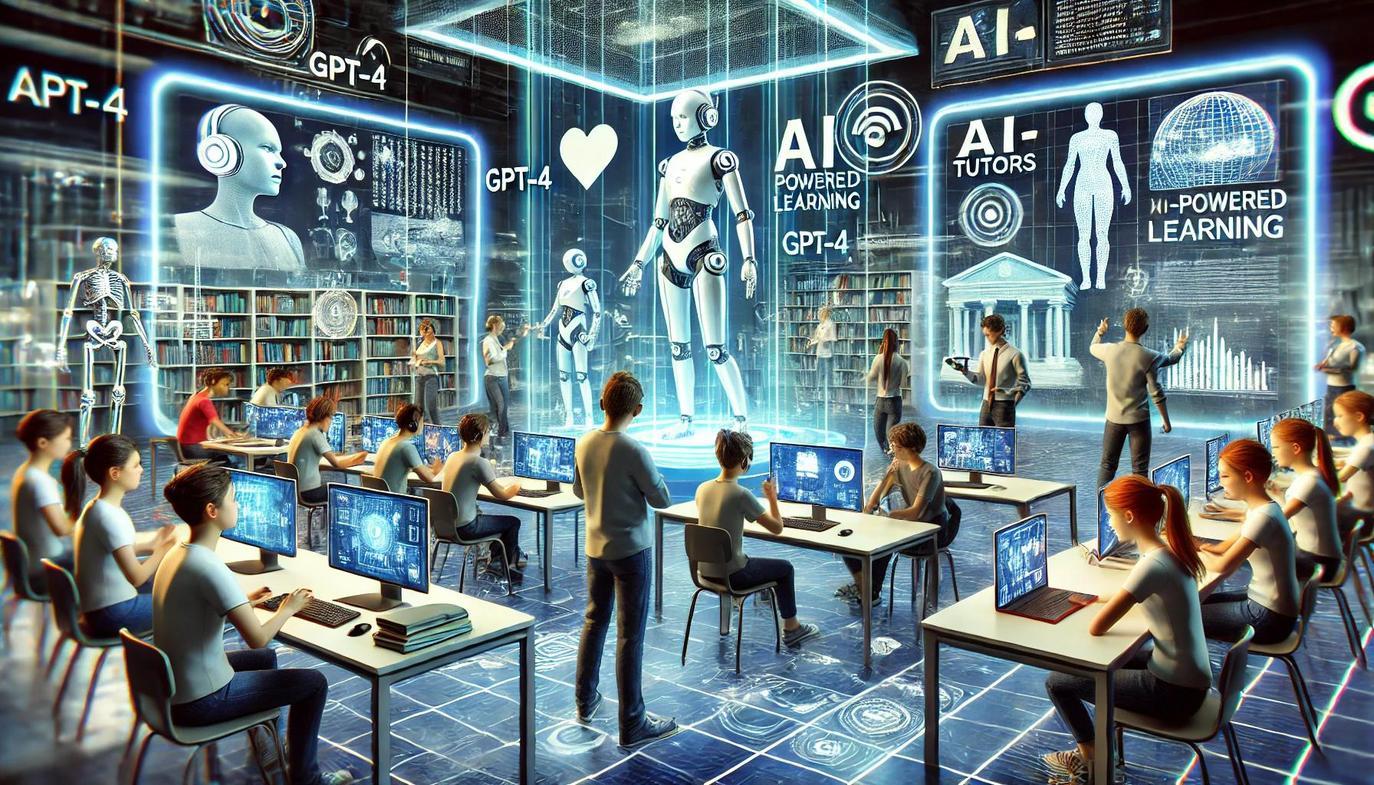
How to Effectively Train Teachers for AI-Integrated Classrooms: Strategies for Future-Ready Education
Artificial Intelligence (AI) is reshaping the landscape of education, making learning environments more interactive, personalized, and engaging. However, the success of AI in education relies heavily on the proficiency and readiness of teachers to harness these advanced technologies. This article explores how to effectively train teachers for AI-integrated classrooms, providing strategies, benefits, and actionable tips to ensure future-ready education.
Why Teacher Training for AI-Integrated Classrooms Matters
As AI-powered tools become more prevalent in schools, the role of educators is rapidly evolving from content deliverers to facilitators of technology-enhanced learning.To maximize the potential of AI-integrated classrooms, it’s crucial to invest in robust teacher training programs. Effective training empowers educators to:
- Understand and leverage AI tools for personalized learning.
- ensure ethical and responsible use of educational technology.
- Foster critical thinking,creativity,and digital skills among students.
- Stay adaptable and prepared for ongoing tech innovations in education.
Key Strategies for Training Teachers in AI-Integrated Classrooms
Adopting AI in education is not just about implementing new tools—it’s about transforming mindsets and methodologies. The following strategies are essential for effective AI teacher training:
1. Develop a Comprehensive AI Literacy Program
- Introduce foundational AI concepts and terminology.
- explain machine learning, data analysis, and ethical considerations.
- Use simple, real-world examples to demonstrate AI applications in education.
2. Provide Hands-On Workshops and Simulations
- Organize interactive workshops using popular AI-education platforms like ChatGPT, Google Classroom AI integrations, and adaptive learning apps.
- Simulate classroom scenarios with AI-based student assessment and feedback.
- Encourage collaborative problem-solving and experimentation among teachers.
3. Foster Continuous Professional Advancement (CPD)
- Offer regular CPD sessions focused on emerging AI technologies and pedagogical models.
- Enable participation in online courses, webinars, and certification programs.
- Utilize peer learning networks and mentorship opportunities.
4. Align Training with practical Classroom needs
- Tailor training modules based on grade levels, subject areas, and the specific AI tools available.
- incorporate lesson planning for AI-augmented instruction, formative assessment, and student engagement.
- Gather feedback from teachers on their classroom experiences with AI to refine training programs.
5. Address ethical and Data Privacy Concerns
- Educate teachers about student data protection and cybersecurity best practices.
- Discuss the ethical implications of AI in learning, bias in algorithms, and responsible AI use.
- Make ethics and privacy an integral part of every training module.
Benefits of Training Teachers for AI-Integrated Education
Investing in teacher training for AI-integrated classrooms offers numerous benefits for schools, educators, and students:
- Improved student outcomes: AI-powered personalized learning can address individual needs, helping students progress at their own pace.
- Efficient classroom management: AI assists teachers in automating administrative tasks, freeing up more time for meaningful instruction.
- Enhanced digital fluency: Teachers gain confidence in integrating technology, fostering students’ digital citizenship and future-ready skills.
- adaptability to change: strong AI training ensures educators can keep up with rapid technological advancements.
- Higher teacher satisfaction: Professional growth and tech proficiency contribute to job satisfaction and retention.
Practical Tips for Implementing AI Teacher Training Programs
- Involve teachers early: Include educators in the selection and evaluation of AI tools to ensure relevance and usability.
- Use microlearning modules: Deliver bite-sized, on-demand learning units so teachers can upskill at their own pace.
- Create a supportive culture: Encourage a growth mindset and open dialog around challenges and opportunities in AI integration.
- Recognize and celebrate success: Share teacher achievements and innovative AI classroom practices within the school community.
- Provide ongoing technical support: Ensure teachers can easily access help when troubleshooting AI tools.
Case Studies: Successful AI Teacher Training Initiatives
Case Study 1: Finland’s Helsinki Education Department
Finland’s Helsinki Education Department launched an AI literacy initiative, providing comprehensive workshops and e-learning modules for teachers. By focusing on practical AI classroom applications and data ethics, Helsinki saw a marked increase in technology adoption and student engagement.
Case Study 2: Singapore’s National Institute of Education (NIE)
Singapore’s NIE conducted pilot programs to embed AI tools in lesson planning and assessment. Teachers received hands-on training and collaborated on designing AI-supported lesson activities. The result? Improved confidence among educators and a higher incidence of innovative,student-centered teaching.
First-Hand Experiences: Teachers Embracing AI in the Classroom
“Before AI training, I felt overwhelmed by new edtech tools. After attending several AI-focused PD sessions, I now confidently use adaptive learning apps to tailor instruction, and my students are more motivated than ever.”—
Ms.Linda Chen, Middle School Teacher, Toronto
“Hands-on, collaborative workshops made all the difference. We shared AI classroom strategies and learned from each other’s successes and failures.”—
Mr. William clark, Secondary Science Teacher, Sydney
Conclusion: Building a Future-Ready Teaching Workforce
Preparing teachers for AI-integrated classrooms is the cornerstone of future-ready education. Effective training programs rooted in AI literacy, practical request, ethical awareness, and continuous support empower educators to shape 21st-century learners. As schools worldwide embrace AI in education, prioritizing teacher development ensures that technology truly enhances student learning experiences. By investing in ongoing, strategic AI teacher training, educational institutions can foster innovative, adaptable, and confident educators poised to thrive in tommorow’s learning environments.