
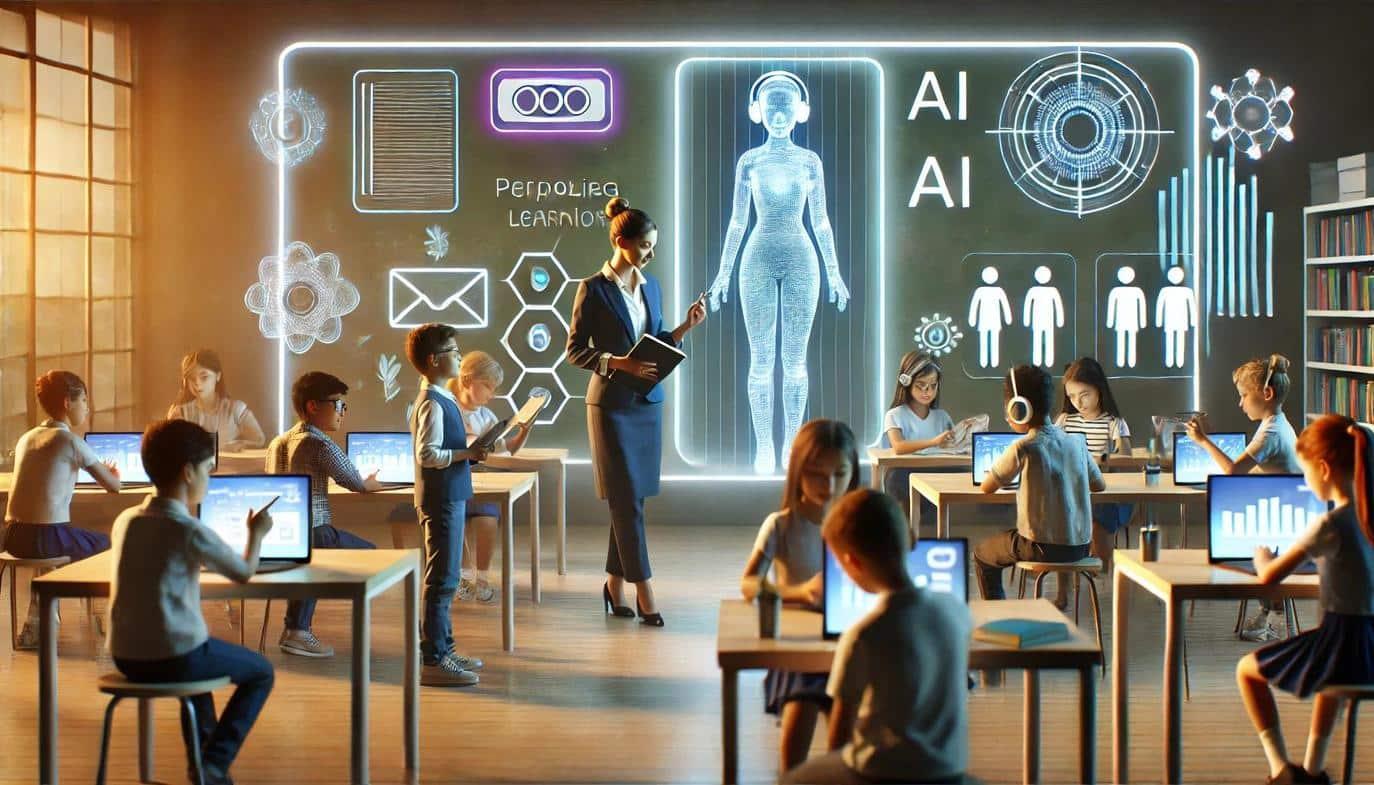
How to Effectively Train Teachers for AI-Integrated Classrooms: Strategies for Modern Education
as artificial intelligence (AI) rapidly transforms the landscape of education, the modern classroom is evolving. AI-powered tools and software are streamlining administrative tasks, enhancing personalized learning, and augmenting teaching methods. However, the success of AI integration in classrooms largely depends on how well-equipped teachers are to embrace and deploy these technologies. In this comprehensive guide, we’ll explore actionable strategies to effectively train teachers for AI-integrated classrooms—empowering educators and ensuring students receive the full benefits of modern education.
Why AI Integration in Classrooms Matters
AI technology in education is no longer a distant dream—it’s here, revolutionizing day-to-day practices. AI-integrated classrooms utilize tools such as adaptive learning platforms, automated grading, smart content, chatbots, and data analytics to make learning more personalized and efficient. But to unlock the true potential of these tools, teachers need thorough, ongoing training.
- Personalized Learning: AI enables tailored content and instructions, addressing individual student needs.
- Efficiency: Automation of routine tasks allows teachers to focus on impactful instruction and mentorship.
- Insightful Analytics: AI provides actionable data to inform teaching strategies and support student progress.
Challenges in Training Teachers for AI-Integrated Classrooms
While the advantages of AI in education are clear, training teachers for AI-powered classrooms presents distinct challenges:
- Digital literacy Gaps: varying levels of comfort with technology among teachers can impede adoption.
- Lack of Access to Professional Growth: Opportunities for hands-on training with AI tools may be limited.
- Resistance to Change: Concerns about job displacement or fear of the unknown can hinder engagement with AI.
- Ongoing Evolution: The fast-paced development of AI requires continual learning and adaptability.
Proven Strategies for Effective Teacher Training in AI-Integrated Education
1. Establish a Strong Foundation in AI Literacy
Building AI literacy for teachers is essential. Start with workshops and resources that demystify artificial intelligence, explaining key concepts and educational applications in simple terms. Use relatable examples and allow for hands-on practice.
- Curate beginner-friendly AI resources and tutorials.
- organize interactive seminars with AI experts in education.
- Encourage collaborative learning among teaching staff.
2. Offer Hands-On Experience With AI Tools
Theory alone is not enough. Teachers should explore and use AI-powered educational tools in real or simulated classroom environments.
- Integrate sandbox sessions for experimentation with adaptive learning platforms like DreamBox or Squirrel AI.
- Facilitate peer-led workshops to encourage knowledge sharing.
- Provide demo accounts and guided walkthroughs for AI tools used in your institution.
3. Continuous Professional Development
AI is an ever-evolving field.Ongoing professional development for teachers in AI ensures that educators stay updated on the latest advancements.
- Implement regular in-service training and refresher courses.
- Encourage attendance at education technology conferences and webinars.
- Promote participation in online AI educator communities (such as ISTE or EdTech forums).
4. Foster a Supportive Culture and Change management
adopting AI is not just about technology—it’s a cultural shift. School leaders must foster a growth mindset and support teachers through change.
- Appoint AI integration champions or mentors for peer support.
- Acknowledge and reward innovative teaching practices using AI.
- solicit teacher feedback to continuously improve the training process.
5. Tailor Training to Your School’s Needs
Recognize that every school and classroom is unique. Customize teacher training for AI integration to cater to specific goals, student demographics, and subject areas.
- Conduct needs assessments before designing training programs.
- Offer modular courses so teachers can choose relevant topics.
- Align AI training with curriculum objectives and school values.
6. Address Ethical and practical Considerations
Training must also cover the responsible use of AI, including data privacy, algorithmic bias, and digital citizenship.
- Educate teachers about student data protection laws and AI ethics.
- Promote clear and fair use of AI-driven assessments.
- Encourage critical thinking about how AI influences pedagogy and student engagement.
Benefits of well-trained teachers in AI-Integrated Classrooms
- Enhanced Student Outcomes: Personalized support and timely interventions foster deeper learning.
- Empowered educators: teachers gain confidence and satisfaction by leveraging AI effectively.
- Operational Efficiency: Automation reduces burnout and frees up time for creative instruction.
- Future-Ready Students: Learners develop crucial 21st-century skills by interacting with AI-enabled technology.
Real-World Case Studies
Let’s look at a few schools and districts that are leading the way in AI-driven teacher training initiatives:
- Montour School district, Pennsylvania (USA): By launching an “AI Pathways” program, Montour provided extensive workshops and mentorship for teachers. As a result, their classrooms feature AI-powered personalized learning, and both teacher confidence and student engagement have soared.
- Yiyun Middle School, Shanghai (China): Embracing Squirrel AI’s adaptive tutoring, teachers received practical training alongside AI experts. The outcome: improved student scores and a new wave of teacher-led innovation using data-informed teaching strategies.
- Finland National Education Agency: With a nationwide “elements of AI” program, Finnish teachers have access to free, modular AI training in their native language, resulting in broad and equitable AI integration across schools.
“AI won’t replace teachers, but teachers who use AI will replace those who don’t.” — Montour School District Technology Director
Practical Tips for School Leaders & Administrators
- Invest in infrastructure: Ensure schools have reliable internet and robust IT support to facilitate AI adoption.
- start small: Pilot AI initiatives in select classrooms before campus-wide rollouts.
- Gather feedback: Create channels for teachers to share experiences and suggest improvements in AI training and implementation.
- Build partnerships: Collaborate with education technology companies and higher education institutions for ongoing support and new resources.
- Promote digital equity: Provide additional resources and training for underrepresented or less technologically experienced educators.
First-Hand Experiences: teachers Share Their AI Training Journeys
Many educators initially approach AI-powered classroom tools with trepidation, but supportive training transforms their outlook. Here’s what some teachers say:
- “I was intimidated by AI at first, but after attending collaborative workshops and playing with the tools hands-on, I now use AI to identify learning gaps and personalize my lesson plans. My students are more engaged than ever!” — Linda, Middle School Science Teacher.
- “The continuous professional development sessions are invaluable. AI isn’t replacing me; it’s helping me become a better educator for my students.” — Marcus, High School English Teacher.
Conclusion: The Path Forward for AI-Driven Education
The future of education is here—powered by artificial intelligence and guided by passionate, well-trained teachers. The move toward AI-integrated classrooms will empower both educators and learners, fostering more personalized, engaging, and equitable educational experiences.
By embracing comprehensive teacher training strategies—including foundational AI literacy, hands-on experience, ongoing development, and supportive school cultures—schools can unlock the true benefits of modern education. with the right preparation, teachers can confidently step into the AI era, inspiring students and shaping tomorrow’s innovators.
Ready to bring your school into the future? Start today with a targeted, practical plan for AI integration in teacher training—your educators and students deserve nothing less.