
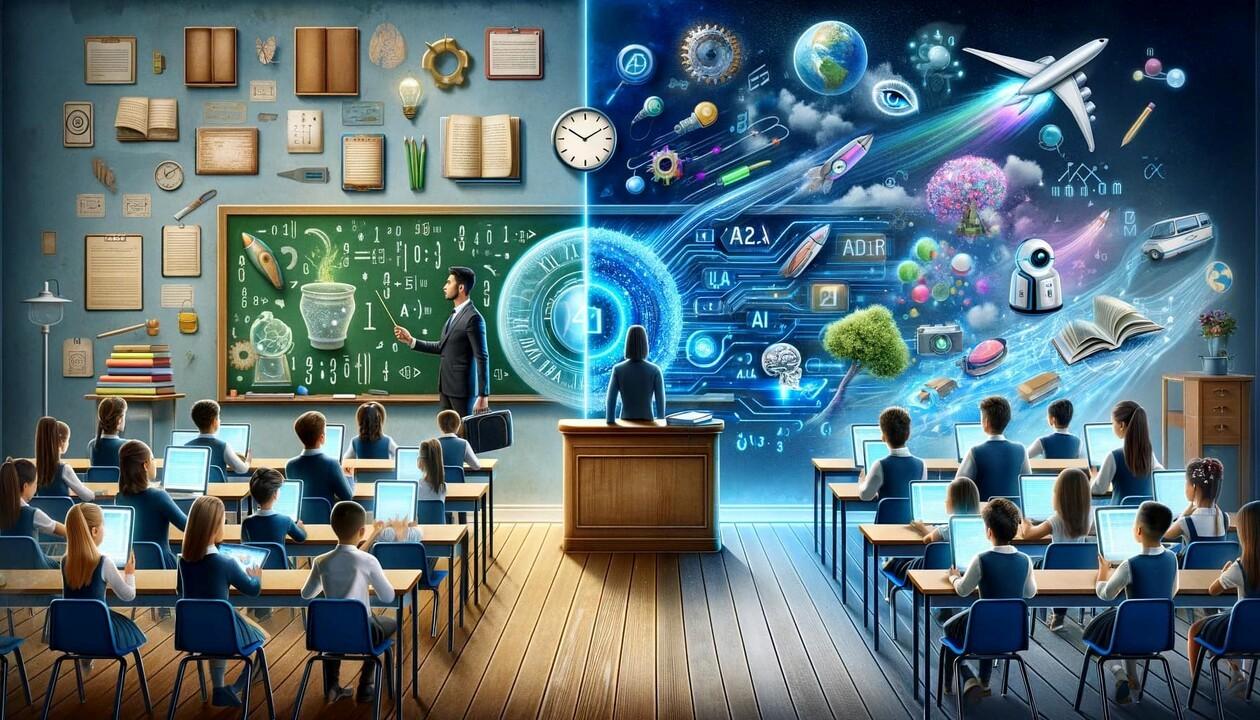
How to Effectively Train teachers for AI-Integrated Classrooms: Strategies for Modern Educators
Artificial Intelligence (AI) is reshaping the landscape of education, offering innovative solutions to personalize learning, automate assessments, and foster student engagement. Though, to realize the full potential of AI in classrooms, schools must prioritize effective teacher training. In this comprehensive guide,we’ll explore proven strategies to train teachers for AI-integrated classrooms,practical implementation tips,real-world case studies,and firsthand experiences from modern educators. Whether you’re a school administrator, teacher, or education leader, this article will empower you with actionable insights for AI-driven education.
Why Training Teachers for AI-Integrated Classrooms matters
The successful integration of AI in education hinges on teacher competence and confidence. AI tools, such as adaptive learning platforms, intelligent tutoring systems, and automated grading software, can supercharge classroom effectiveness—but only if educators feel empowered and prepared to use them. With the rapid pace of technological advancement, continuous professional development is no longer optional.
- Enhances student engagement and learning outcomes.
- Reduces administrative burden through automation.
- Enables personalized, data-driven instruction.
- Prepares students for a future shaped by AI and digital literacy.
Core Strategies for Training Teachers in AI-Integrated Classrooms
1. Design Targeted Professional Development Programs
Effective teacher training begins with well-structured professional development tailored to the school’s existing technology landscape and teachers’ varying comfort levels with AI. These programs should blend pedagogical theory with authentic, hands-on experiences.
- Assessment of Skills: Start with a baseline assessment to gauge teachers’ digital competencies and familiarity with AI tools.
- Modular Training: Offer courses ranging from AI fundamentals to advanced classroom applications, allowing adaptability and differentiation.
- Ongoing Coaching: Pair initial workshops with continual coaching, mentoring, or peer learning communities for sustained growth.
2. Make Training Practical and Interactive
Abstract, theoretical training is less impactful than practical, hands-on experiences. Effective AI training immerses teachers in real-life classroom scenarios and encourages experimentation with AI-powered education technologies.
- Sandbox Environments: Let teachers practice with AI tools in a risk-free digital environment.
- Case Studies: Analyze real-world examples of successful AI integration in schools.
- Project-Based learning: Encourage teachers to develop, implement, and reflect on their own AI-driven lesson plans.
3. Foster a collaborative Community of Practice
AI integration is a team effort. Building strong teacher networks encourages sharing best practices, problem-solving, and continuous learning. These communities can be built through:
- Online Forums and Social Media Groups for ongoing discussion and support.
- Peer Observation Sessions to observe and learn from colleagues using AI in classrooms.
- AI Ambassadors or Specialist Roles to mentor less experienced staff members.
4. Align AI Tools With Curriculum Goals
AI should enhance—not replace—curricular objectives. Training must demonstrate how AI-powered teaching tools, such as personalized learning platforms, adaptive quizzes, or analytic dashboards, can support state and national standards.
- Curriculum mapping: Tie specific AI technologies to learning goals and benchmarks.
- Integration Templates: Provide ready-to-use lesson plans and assessment models featuring AI tools.
- Scaffolded Implementation: Gradually roll out AI applications, assessing their impact on both learning outcomes and instructional practice.
5. Address Ethical, Privacy, and Equity Concerns
Responsible use of AI in education includes understanding data privacy, equitable access, algorithmic bias, and digital citizenship. Teacher development programs must raise awareness of these topics and offer actionable solutions, such as:
- Following FERPA/GDPR compliance in handling student data.
- Designing inclusive AI experiences for all learners, especially those from marginalized groups.
- Discussing ethics and transparency in AI decision-making processes.
Practical Tips for AI Teacher Training Success
- Start Small: Introduce one or two high-impact AI tools before scaling up.
- Celebrate Quick Wins: Acknowledge early adopters and visible classroom successes to motivate wider participation.
- Leverage Microlearning: Offer bite-sized tutorials, videos, or podcasts for on-the-go learning.
- Integrate Feedback Loops: Regularly solicit teacher feedback to refine training content and delivery.
- Partner With EdTech Providers: Many companies offer customizable workshops, technical support, and certification programs.
First-Hand Experiences: Voices From the Classroom
After launching an AI-focused teacher training initiative, teachers reported a 35% increase in student engagement. one science teacher shares: “Using AI-driven labs let me tailor experiments to student interests,making learning much more relevant and fun!”
With limited resources,the district introduced AI-powered reading platforms after a series of virtual workshops. The result? A measurable improvement in reading scores, with teachers feeling more confident about leveraging technology to close achievement gaps.
Expert Outlook: Dr. Melissa Wong, an instructional coach, notes: “The single most critical factor is a supportive environment that empowers teachers to take risks and learn from both successes and setbacks.That culture is more vital than any particular AI tool.”
Overcoming Common Challenges in AI Teacher Training
- Time Constraints: Provide flexible, asynchronous training that fits teachers’ busy schedules.
- Tech Anxiety: Create non-judgmental learning spaces that validate concerns and emphasize growth mindsets.
- Lack of Resources: Seek grants or partnerships and leverage free/open-source AI edtech tools.
Recommended Resources for Ongoing Learning
- ISTE AI in Education Resources
- Edutopia’s AI Classroom Guides
- TeachAI Professional Development Courses
- Microsoft Educator Center’s AI for Educators Pathway
Conclusion: building Future-Ready Classrooms With AI-Savvy Educators
Empowering teachers with effective AI training is essential for unlocking the transformative power of technology in education. By focusing on practical skill development, fostering collaborative communities, aligning AI implementation with curricular goals, and addressing ethical concerns, schools can create resilient, adaptive classrooms that meet the challenges of tomorrow. The journey starts with investing in your teachers—as every great AI-integrated classroom begins with a well-prepared, passionate educator.
Ready to take the next step? Begin building your AI teacher training program today and witness how empowered educators can inspire students to thrive in an intelligent, interconnected world.