
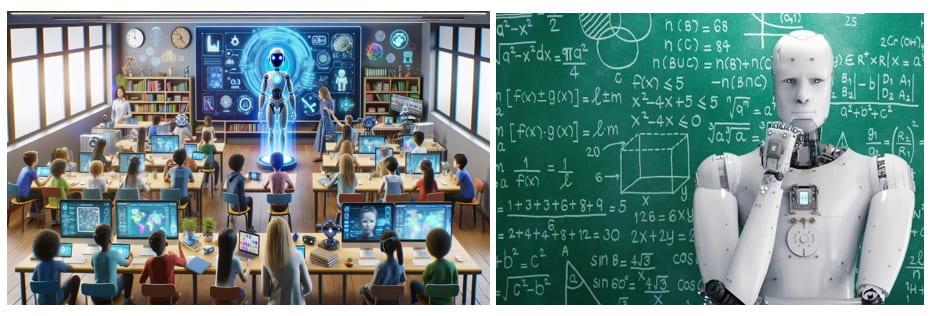
How to Effectively Train Teachers for an AI-Integrated Classroom: A Practical Guide
As artificial intelligence (AI) revolutionizes education, preparing teachers to harness its potential is more crucial than ever. Successfully integrating AI in classrooms can drastically enhance learning outcomes, personalize education, and streamline administrative tasks. However, the key to unleashing these benefits lies in effective teacher training. In this guide, we’ll explore actionable strategies, real-world insights, and practical tips on how to effectively train teachers for an AI-integrated classroom.
Why AI Integration in Classrooms Matters
AI technologies are rapidly transforming educational landscapes by:
- Personalizing learning experiences for students
- Automating grading and assessments
- supporting differentiated instruction
- Providing data-driven insights for educators
- Enhancing engagement and interactivity through smart tools
To fully capitalize on these advantages, teachers must develop the necessary skills and confidence to work alongside AI-powered solutions.
Key Benefits of Effective Teacher Training for AI-Integrated Classrooms
- Improved Student Outcomes: Well-trained teachers can leverage AI tools to address diverse learning needs and foster greater student engagement.
- Confidence and Competence: Educators who feel agreeable with AI are more likely to experiment with advanced technologies and innovate in their teaching methods.
- Ethical and Responsible AI Use: Training can ensure teachers understand the risks and best practices for using AI responsibly, especially concerning data privacy and bias.
- Sustainable Professional Growth: Ongoing learning opportunities empower teachers to keep pace with emerging tech trends.
Core Components of a robust AI Teacher Training Program
Designing a thorough training program is the foundation for successful AI integration. Essential components include:
1. Foundational AI Literacy
- Understanding AI: Demystify AI by explaining what it is, how it works, and its capabilities and limitations.
- Ethical Considerations: Address student data privacy,bias,transparency,and fair use.
- Examples of AI in Education: Introduce popular tools such as adaptive learning platforms, AI tutors, and automated assessment systems.
2. Hands-On Experience
- Tool Demonstrations: Let teachers explore AI-powered educational apps and platforms.
- Simulated scenarios: use case studies or role-playing to practise real-world applications.
- Guided Lesson Planning: Support teachers in designing AI-enhanced lesson plans.
3. Ongoing Support and Collaboration
- Professional Learning Communities (PLCs): Encourage peer-to-peer learning and knowledge sharing through regular meetings or online forums.
- Mentoring Programs: Pair AI-experienced educators with those new to technology integration.
- Continuous Feedback: Collect and act upon teacher feedback to refine training initiatives.
4. Up-to-Date Resource Access
- Provide curated lists of AI education tools,best practice guides,and instructional videos.
- Ensure access to support tickets or chat support for troubleshooting technical difficulties.
step-by-Step Guide: How to Train Teachers for an AI-Integrated Classroom
Follow these practical steps to ensure effective professional advancement for AI adoption:
-
Assess Current Skills and Comfort Levels
- Survey teachers to gauge their understanding of technology and AI tools.
- Tailor training modules to address identified gaps and build on existing strengths.
-
Design a Personalized Training Pathway
- Organize workshops and seminars based on teachers’ varied experience levels.
- Offer micro-learning opportunities for quick, targeted skill-building.
-
Provide Real-World Practice
- Incorporate AI tools into regular classroom activities during training.
- Use collaborative lesson-planning exercises focused on AI integration.
-
Support Reflective Practice
- Encourage teachers to share experiences, challenges, and insights in group discussions or digital journals.
-
Evaluate and Iterate
- Gather ongoing feedback through surveys and focus groups.
- Update training materials regularly to reflect new AI technologies and research in education.
Case Studies: Schools Successfully Training for AI Integration
Example 1: The Singapore Model
singapore’s Ministry of Education implemented a phased AI teacher training program, starting with workshops on adaptive learning systems and expanding to nationwide PLCs and online resource centers. Within a year, 87% of participating teachers reported increased confidence in using AI tools.
Example 2: US Charter Schools
Several US-based charter schools partnered with edtech companies to provide blended online-and-in-person AI trainings. Teachers received micro-certifications for each AI tool mastered, leading to improved student test scores and classroom engagement metrics.
First-Hand Experience: Insights from a Teacher
“Initially,I was intimidated by AI-powered tools,but after hands-on workshops and peer learning sessions,I became more confident. Now, I use adaptive quizzes to tailor homework for different student groups and an AI assistant to track class participation. My students are more engaged, and I can focus more on personal mentorship.”
– Ms. Rachel, Middle School Science Teacher
Practical Tips for Effective Teacher Training in AI-Integrated Classrooms
- Start with AI Basics: Never assume prior knowledge. Begin with foundational AI concepts and build up.
- Foster a Safe learning Surroundings: Normalize trial and error. Allow teachers to experiment with AI tools without fear of failure.
- Utilize Peer Leaders: Empower tech-savvy teachers to become AI champions and mentors.
- Incorporate Reflective Sessions: Regular debriefs encourage teachers to reflect, share, and refine their practice.
- Integrate Real classroom Scenarios: Tailor training to relevant subject matter and classroom realities.
- Promote Lifelong Learning: Set up ongoing workshops and access to digital resources beyond initial training periods.
Challenges and solutions in Training Teachers for AI-Integrated Classrooms
- Resistance to Change: Address fears through positive examples and highlight teaching benefits. Offer incentives for participation.
- Time Constraints: Embed AI training within professional development days and provide flexible online modules.
- Lack of Infrastructure: Advocate for adequate technology funding and offer low-tech AI solutions where needed.
- Keeping Pace with Technology: Update resources and retrain regularly to stay current with AI advancements.
Conclusion: Empower Your Educators for an Innovative Future
Effectively training teachers for an AI-integrated classroom is vital for modern education’s evolution. By investing in well-structured professional development, fostering a collaborative culture, and providing ongoing support, schools can help teachers confidently embrace AI as a powerful ally. Start by assessing your staff’s needs, implement practical training steps, and turn today’s challenges into tomorrow’s opportunities. With the right resources and guidance,teachers and students alike can thrive in the era of smart,personalized learning.
Looking for more resources or consultancy to develop your AI teacher training program? Reach out to our team for tailored support on your journey towards future-ready education.