
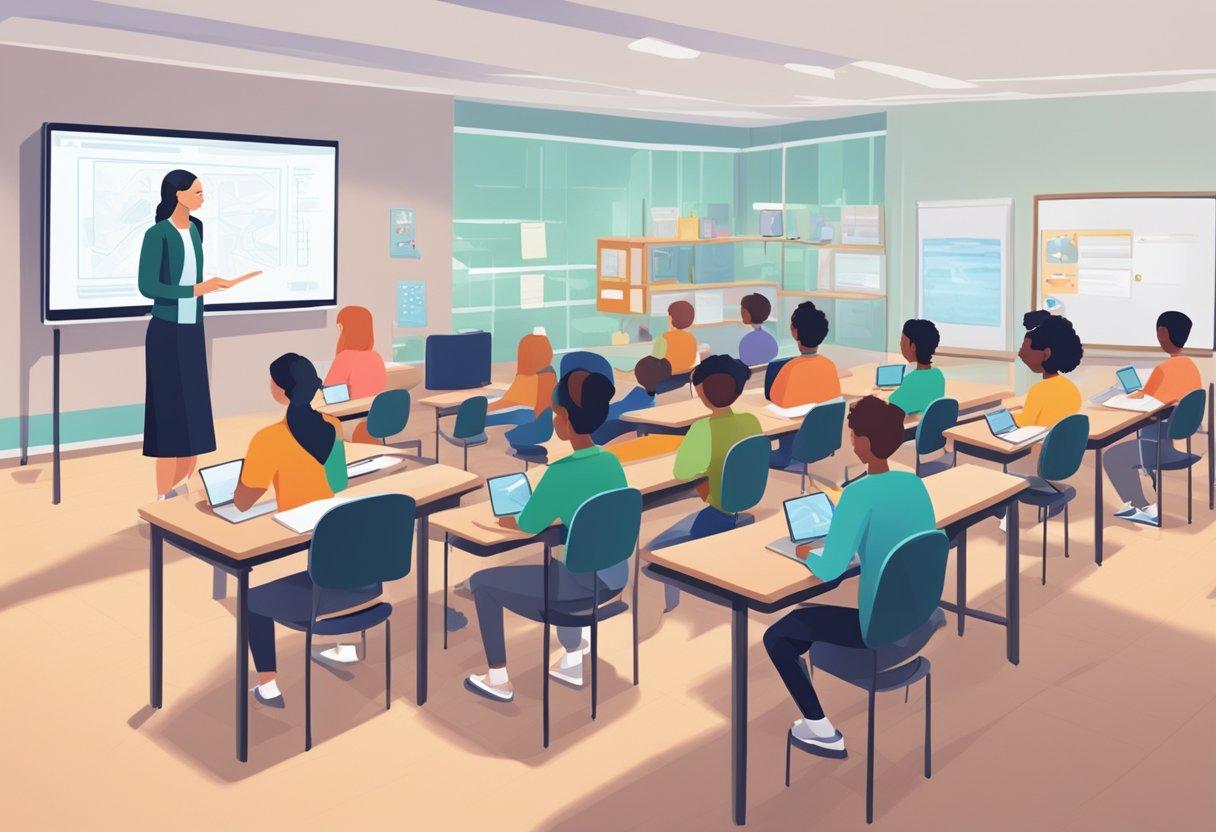
How to Effectively Train Teachers for an AI-Integrated Classroom: Essential Strategies and Best Practices
artificial intelligence (AI) is rapidly transforming education, offering exciting possibilities for personalized learning, enhanced assessment, and improved classroom management. However, the potential of AI-powered education can only be fully realized when teachers are adequately prepared to integrate these technologies into their daily practice. If you’re wondering how to effectively train teachers for an AI-integrated classroom, this extensive guide explores essential strategies and best practices, ensuring teachers are empowered to lead the next generation of learning.
Understanding the Need for AI-Integrated Teacher Training
In today’s educational landscape, AI integration in classrooms is no longer a futuristic concept—it’s a present reality. From smart tutoring systems to data-driven feedback tools, AI technologies support differentiated instruction and foster deeper student engagement. Yet,without thoughtful teacher training and professional development,these innovations can fail to reach their full potential,leading to under-utilization or even resistance among educators.
- Changing teacher roles: AI allows teachers to become facilitators of personalized learning rather than mere knowledge transmitters.
- Dynamic curriculum: AI-integrated classrooms offer constantly evolving resources that demand adaptability from instructors.
- Ethical and technical implications: Teachers must understand both the ethical challenges and the practical usage of AI.
Benefits of AI Training for Educators
Proper training for AI-integrated classroom environments benefits both teachers and students. Here are some of the most notable advantages:
- Enhanced Instructional Strategies: Leverage AI-based analytics and feedback to tailor lesson plans and better meet student needs.
- Time Management: Automate routine administrative tasks, allowing educators to spend more time on creative teaching and mentorship.
- Personalized Student Support: Use AI-driven insights to identify learning gaps and deliver targeted interventions.
- Continuous Professional Development: Take advantage of AI-powered platforms that offer ongoing training and resources tailored to teachers’ individual growth.
Essential Strategies for Training Teachers for AI-Integrated Classrooms
Effective teacher training in AI should encompass more than technical know-how; it should foster new mindsets and pedagogical skills. Consider these core strategies:
1. Needs Assessment and Customization
- Identify existing skill gaps among teachers through surveys and interviews.
- Adapt training programs to age groups, subject areas, and teachers’ varying tech readiness.
- Incorporate both basic digital literacy and advanced AI submission modules.
2. Hands-On, Experiential Learning
- Offer workshops and labs where teachers interact with AI tools in real scenarios.
- Encourage experimentation and iterative learning with guided support.
- Use case-based learning to demonstrate practical classroom applications.
3. Ongoing Support and Peer Collaboration
- Create mentorship programs and professional learning communities, both online and offline.
- Promote regular peer feedback sessions to share best practices and troubleshoot challenges.
- Facilitate access to online forums and support documentation for continuous learning.
4. Focus on Pedagogy Over Technology
- Help teachers understand the “why” behind AI integration, prioritizing learning impact.
- Instruct on methods that blend AI capabilities with proven instructional strategies.
- Emphasize ethical considerations, data literacy, and student privacy issues.
5. Integration with Formal Professional Development
- Embed AI-focused modules into existing professional development programs.
- Reward completion with certifications or micro-credentials that recognize AI expertise.
- Align training with school or district technology plans for seamless implementation.
Best Practices for Sustainable AI Teacher Training
To ensure lasting success, AI-integrated classroom training must be rooted in practical and scalable practices. Here are key best practices:
- Start with Pilot Programs: Select a group of motivated teachers to trial AI tools, providing feedback to refine training processes.
- Use Blended Learning: Combine online courses with face-to-face workshops for flexible, effective training experiences.
- Invest in leadership Development: Identify and empower tech-savvy educators as AI champions within school communities.
- Encourage Reflection and Adaptation: Regularly review teaching practices and AI impacts to adjust as needed.
- Integrate Assessment: Use formative assessments to monitor teacher growth and adjust training accordingly.
Practical Tips for Schools and Districts
here are actionable tips to accelerate effective teacher training for AI-integrated education:
- Budget for Continuous Learning: Allocate resources not just for initial training, but for ongoing support and upgrades as AI evolves.
- Foster a Culture of Innovation: Encourage curiosity and risk-taking among teachers as they explore new tools.
- Build Partnerships: Collaborate with edtech providers, universities, and research institutions for access to cutting-edge resources.
- Celebrate success: Showcase teacher and student achievements to inspire further adoption of AI practices.
case Studies: Implementing AI Training in Real Classrooms
Case Study 1: District-Wide AI literacy Program
A suburban school district initiated an AI awareness campaign, followed by tiered training tailored to elementary, middle, and high school educators.Teachers received hands-on experience through pilot projects, resulting in a 40% increase in AI tool adoption within the first year.
Case Study 2: Peer-Led Professional Learning Community
An urban high school established regular workshops led by tech-savvy teachers. These sessions focused on integrating AI-powered assessment platforms, fostering collaborative troubleshooting and sustained engagement. Teacher confidence in using AI tools grew, and student outcomes improved on formative assessments.
First-Hand Experience: teacher Insights on AI Integration
Teachers who have successfully navigated the shift to AI-integrated classrooms ofen echo these practical insights:
- “Don’t be afraid to ask questions or seek help—AI may seem daunting, but peer collaboration makes a huge difference.”
- “Focus on small wins. start with one AI tool you can master before branching out.”
- “Keep students in mind. AI isn’t about replacing teachers—it’s about enhancing the educational experience for everyone involved.”
- “Continuous learning is key. The technology will change, so stay engaged and adaptable.”
Conclusion
Effective training for teachers in AI-integrated classrooms is a journey, not a one-time event. By focusing on personalized, hands-on learning and ongoing support, educators can confidently harness the power of artificial intelligence to revolutionize teaching and learning. Whether you’re a school leader or a teacher eager to embrace AI in education, implementing these strategies and best practices positions your classroom at the forefront of innovation. With the right training, teachers become empowered change agents, ensuring that technology serves as a catalyst for greater achievement, engagement, and equity in education.
Ready to transform your school for the digital age? Explore more resources on AI integration and professional development, and take the first step towards an inspired, future-ready learning community.