
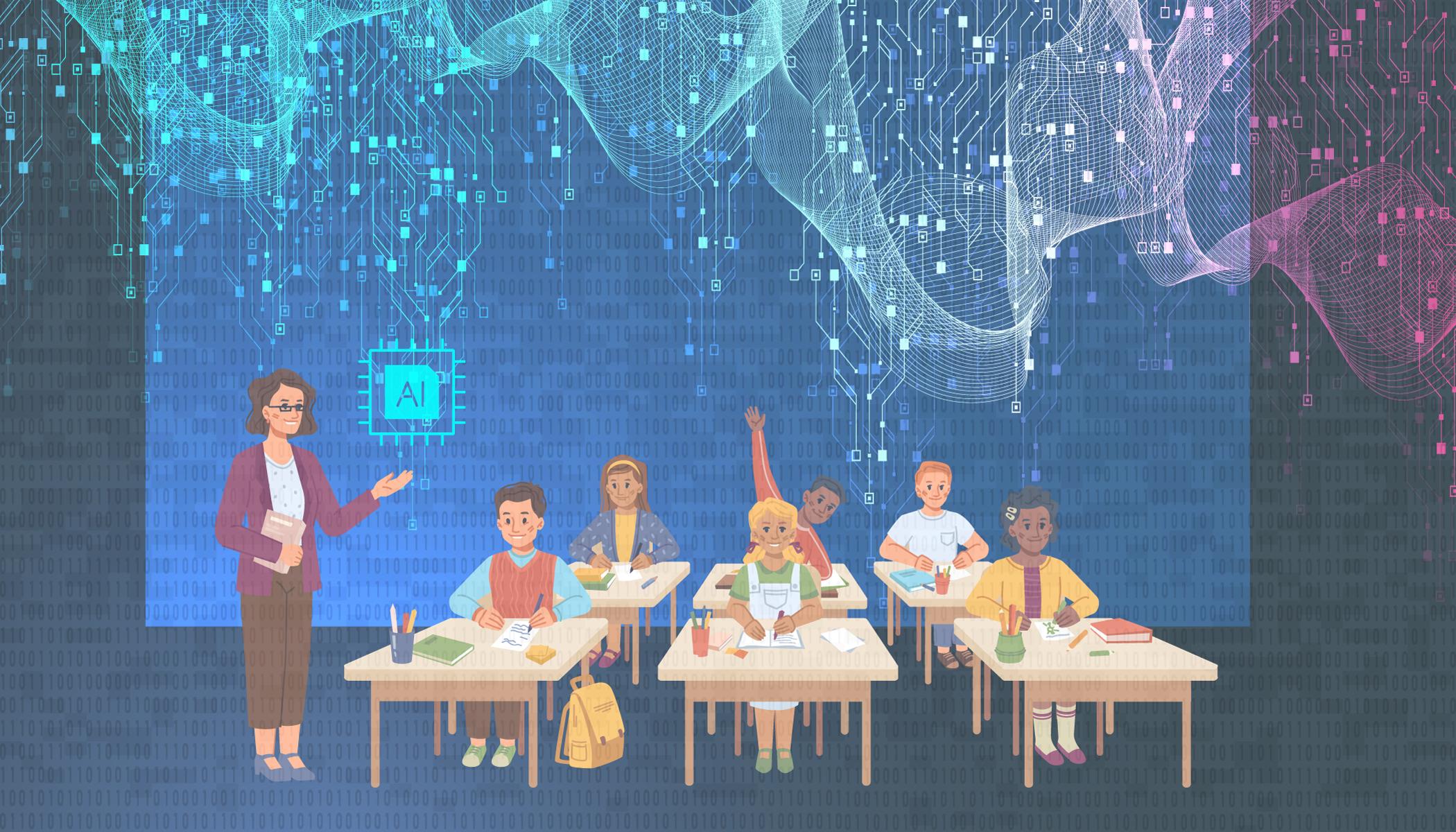
How to Effectively Train Teachers for an AI-Integrated Classroom: Essential Strategies and Best Practices
Integrating artificial intelligence (AI) in the classroom is transforming the education sector, offering opportunities for personalized learning, enhanced engagement, and improved administrative efficiency. However, the success of AI-powered education hinges on one critical factor: teacher preparedness. This comprehensive guide delves into the essential strategies and best practices for effectively training teachers to thrive in an AI-integrated classroom, equipping them with the knowlege, skills, and confidence necessary for modern education.
Why Teacher training for AI-Integrated Classrooms is Crucial
AI is no longer a futuristic concept. From adaptive learning platforms to bright grading systems and chatbots, AI-powered tools are rapidly becoming foundational in schools worldwide. For educators to leverage these technologies effectively, proper professional training is not just beneficial—it is essential. Well-trained teachers are more likely to:
- Integrate AI meaningfully into their teaching practice
- Promote student-centered learning
- Navigate new digital environments confidently
- Address ethical and privacy concerns responsibly
Key Benefits of Effective AI-Related Teacher Training
- Enhanced Classroom Efficiency: Teachers can automate routine tasks, allowing more time for personalized instruction.
- Improved Student Outcomes: data-driven insights empower teachers to address learning gaps proactively.
- Future Readiness: Teachers equipped with AI skills are prepared for ongoing technological advancements.
- Professional Growth: AI training opens pathways to new educational leadership roles.
Essential Strategies for Training Teachers in AI-Integrated Classrooms
To ensure comprehensive and lasting teacher development, effective training should encompass technical skills, pedagogical understanding, and ethical awareness. Here are the most impactful strategies:
1.Begin with Foundational AI Literacy
- Explain Key AI Concepts: use workshops and interactive modules to introduce AI fundamentals, including machine learning, natural language processing, and data security.
- Relate to Real-World Examples: Highlight practical applications such as intelligent tutoring systems, automated essay scoring, and personalized learning recommendations.
2.Prioritize hands-On, Experiential Learning
- Practice in Sandbox Environments: Let teachers experiment with AI tools using dummy data so they can explore functions without fear of making mistakes.
- Interactive Simulations: Simulate classroom scenarios where AI assists lesson planning,formative assessment,or classroom management.
3. Foster a Collaborative Learning Community
- Peer-to-Peer Learning: Facilitate regular meetings for teachers to share experiences and best practices.
- Mentorship Programs: pair less experienced teachers with ‘AI champions’ to accelerate skill development.
4. Offer Ongoing Professional Development
- Continuous Training: AI technology evolves rapidly—regular workshops, microlearning sessions, and webinars keep teachers up-to-date.
- Feedback Loops: Use surveys and focus groups to gather teacher feedback and adjust training materials as needed.
5. Address Ethics, Privacy, and digital Citizenship
- Data Privacy Training: Educators must understand student data management, consent forms, and relevant legislation (e.g., GDPR, FERPA).
- Bias and Fairness: Provide resources to recognize, mitigate, and explain algorithmic biases to students.
- Promote Responsible AI use: Encourage ethical discussions around AI’s impact on education and society.
6. Integrate AI Training with Existing Pedagogical Frameworks
- Contextual Alignment: Show teachers how AI-powered tools enhance,rather than replace,traditional teaching methodologies.
- Curriculum Integration: Embed practical AI examples within subject-specific contexts.
Best Practices for Implementing Teacher Training in AI-Integrated Classrooms
-
Customize Training to Varied Experiance Levels:
- Offer foundational workshops for novices and advanced sessions for tech-savvy educators.
-
Leverage Blended Learning Approaches:
- Combine online modules, face-to-face workshops, and self-paced tutorials for adaptability and accessibility.
-
Encourage Active Reflection and Assessment:
- Incorporate regular reflections, peer assessments, and portfolios to track progress.
-
Highlight Success Stories:
- Share case studies where teachers have positively impacted student outcomes using AI tools.
-
Support with Technical Infrastructure:
- Ensure reliable access to necessary hardware, software, and IT support at all stages of training.
Real-World Case Study: Empowering Educators with AI
case Study: The Greenway Public Schools District
Facing declining math scores, Greenway adopted an AI-powered adaptive learning platform and launched a comprehensive teacher training initiative. Over three months, teachers participated in weekly hands-on sessions, focusing on both the technical and pedagogical aspects of AI integration. Mentors were assigned,and feedback was continually gathered via surveys. After one semester:
- Math scores improved by 12% district-wide.
- Teacher confidence increased—95% reported feeling prepared to use AI tools in class.
- Peer-to-peer mentoring continued, forming a sustainable learning community.
First-Hand Experience: A Teacher’s Viewpoint
‘when I first encountered our new AI-based learning management system, I was overwhelmed,’ shares Sarah McAllister, a high school English teacher. ‘But our training program made all the difference.Practicing in a no-stakes environment and talking openly with colleagues helped me realize AI wasn’t replacing me; it was amplifying what I could do for my students.Now, my lessons are more personalized, and I have more time for creative projects.’
Practical Tips for Schools and Administrators
- Conduct a Needs Assessment: Survey teachers to identify training gaps and tailor programs accordingly.
- Appoint AI Champions: Designate tech-forward teachers as on-site resources.
- Promote a Growth Mindset: Normalize experimentation and learning from initial mistakes.
- Stay Informed: Encourage attendance at education technology conferences and participation in online AI communities.
- Celebrate Gradual Progress: Highlight milestone achievements in faculty meetings and school newsletters.
Conclusion: Preparing Teachers for the Future of AI-Integrated Education
As AI continues to shape the future of education, investing in tailored, effective teacher training is paramount. Through foundational AI literacy, hands-on practice, continuous support, and a culture of collaboration, educators can evolve into confident leaders of AI-integrated classrooms. With the right planning, teachers are empowered not only to utilize technology but also to mentor students in responsible and creative AI use—laying the groundwork for lifelong learning and digital citizenship.
By embracing these essential strategies and best practices, schools and districts can ensure that both teachers and students reap the full benefits of AI-powered education. The journey to effective integration begins with investment in those who matter most: our educators.