
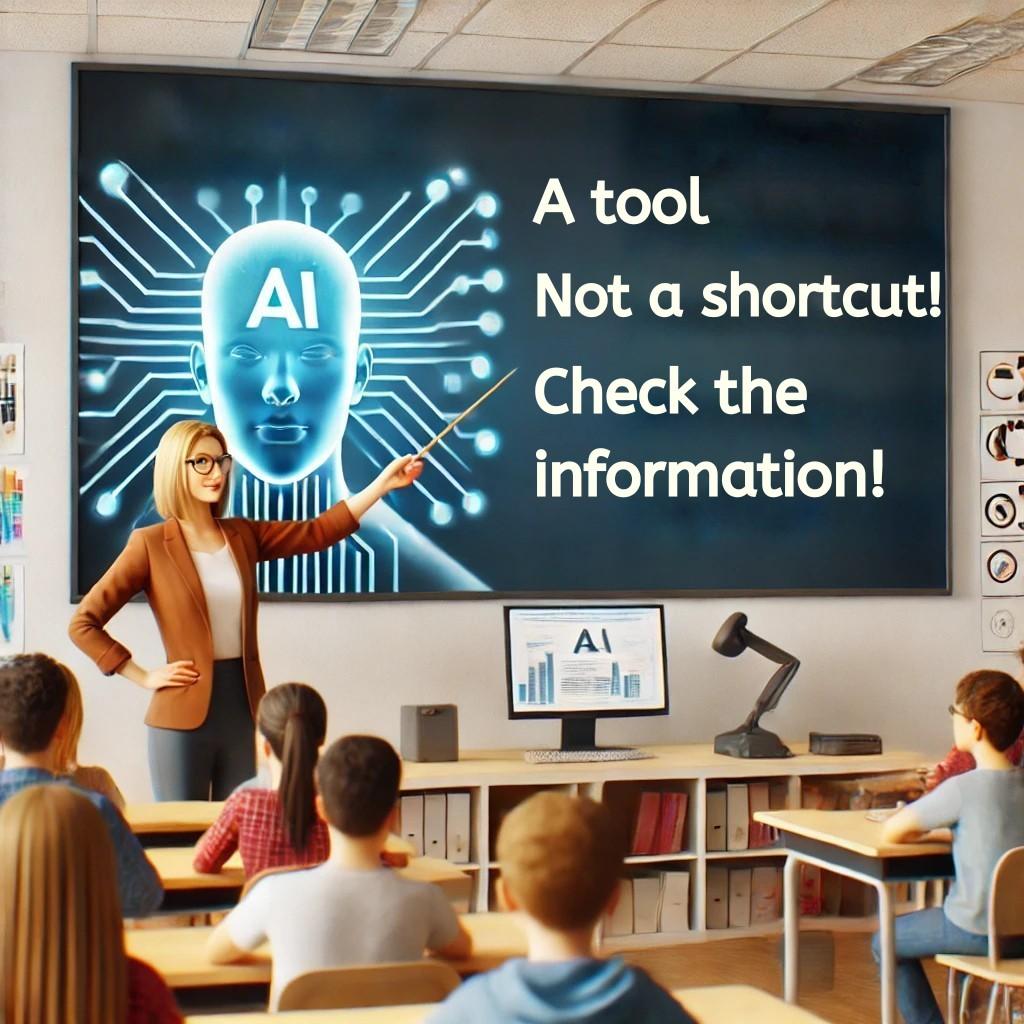
How to effectively Train Teachers for an AI-Integrated Classroom: Essential Strategies for 2024
Artificial Intelligence (AI) is rapidly transforming the landscape of education. As we move into 2024, AI-powered tools, intelligent tutoring systems, and adaptive learning platforms are becoming essential in modern classrooms. However, the successful integration of AI hinges on one critical factor: the effective training of teachers. In this thorough guide, we’ll explore strategic approaches to train educators for an AI-integrated classroom, discuss key benefits, and provide practical tips to ensure smooth and successful implementation.
Why Teacher Training is Crucial for AI-Integrated Classrooms
The introduction of AI in education offers vast opportunities—personalized learning experiences, increased efficiency, real-time data insights, and more. However, to unlock these benefits, schools must prioritize the professional development of teachers regarding AI technologies. Without adequate training, AI tools can remain underutilized or even misapplied, causing frustration for both educators and students. By empowering teachers with the knowledge and skills to leverage AI, schools pave the way for impactful, future-ready learning environments.
Essential Strategies for Training Teachers in AI-Integrated Classrooms
Here are evidence-based, actionable strategies to help teachers confidently navigate, use, and optimize AI tools in their day-to-day teaching:
1. Conduct a Comprehensive Needs Assessment
- Survey current teacher competencies and comfort levels with technology and AI.
- Identify specific gaps and knowledge areas that need attention.
- Customize training programs based on the variances in experience and skill across staff.
2. Develop a Scalable, Structured Professional Development Program
- Offer differentiated training modules that cater to beginners, intermediates, and advanced users.
- Use blended learning approaches mixing workshops, self-paced courses, and on-the-job learning.
- Provide access to online resources, video tutorials, and webinars for ongoing support.
3. Focus on Practical, Hands-On Experience
- Prioritize workshops where teachers actively use AI tools relevant to their subjects.
- Create real-life lesson plans and classroom scenarios to practice AI integration.
- Partner with AI technology providers for guided demonstrations and Q&A sessions.
4. Encourage Collaborative Learning and peer Support
- Establish professional learning communities (PLCs) around AI in education.
- Encourage teachers to share best practices,lesson ideas,and troubleshooting tips.
- Appoint “AI Champions” or technology coaches within the school to mentor others.
5. Address Data Literacy and Ethical Considerations
- Train teachers on interpreting AI-generated data for personalized instruction.
- Educate staff about privacy, digital citizenship, and ethical use of student information.
- Discuss algorithmic biases and strategies for equitable teaching with AI.
6. Foster a Culture of Continuous Learning and Adaptability
- Keep teachers updated about new AI developments,products,and research.
- Schedule regular refresher sessions and advanced workshops throughout the year.
- Host “AI in Education” mini-conferences or EdTech showcases to inspire and motivate.
Benefits of Effective Teacher Training for AI-Integrated Classrooms
- Personalized Learning: Teachers can use AI to identify learner strengths and weaknesses, offering individualized support.
- Efficiency Boost: automation of administrative tasks allows educators to focus more on teaching and engagement.
- Data-Driven Insights: Access to real-time analytics improves instructional planning and student outcomes.
- Enhanced Collaboration: AI promotes collaborative projects, connecting classrooms globally.
- Future-Readiness: Teachers equipped with AI skills prepare students for an increasingly digital, automated world.
Practical Tips for Long-Term Success
- Integrate AI Training with Daily Practice: Encourage teachers to embed small elements of AI into existing lessons before attempting large-scale changes.
- Provide Just-In-Time Support: Set up a helpdesk, responsive IT team, or online community for on-demand technical and pedagogical assistance.
- Celebrate Successes and share Stories: Highlight classroom wins and innovative uses of AI during staff meetings and newsletters.
- solicit Ongoing Feedback: Regularly ask teachers for input on the utility and challenges of AI tools to continuously refine training programs.
- Promote Student Voice: Involve students in evaluating and co-creating AI-powered classroom processes to foster ownership and excitement.
Case Studies: AI Teacher training in Action
Case Study 1: Blended Learning in a UK Secondary School
A secondary school in the UK implemented a year-long,blended training program on AI-assisted grading and adaptive learning platforms. Teachers were initially hesitant, citing workload concerns. By dividing the training into short, activity-rich modules and pairing every teacher with an “AI Buddy,” the school witnessed a 90% teacher adoption rate.Student achievement scores improved, and teachers reported greater job satisfaction.
Case Study 2: Hands-On AI Labs at an Urban US Middle School
One urban middle school set up after-school “AI Labs” for teachers, offering hands-on exploration with AI teaching assistants and intelligent chatbots. Teachers co-created lesson plans with the help of these tools and shared their experiences in bi-weekly PLC meetings. The outcome was a vibrant innovation culture and faster troubleshooting, leading to smoother AI integration.
Firsthand Experience: A Teacher’s Outlook
“When our district first introduced AI-powered platforms, I was overwhelmed. Though,the hands-on training sessions,webinars,and peer mentorship made all the difference. Today, AI helps me personalize lessons effortlessly and frees up time for creative projects. The journey was challenging, but the support transformed my teaching.”
— Sarah M., 7th Grade Science Teacher, Texas
Recommended AI Tools for Teacher Training in 2024
- Edmodo AI: For differentiated learning and real-time student feedback.
- Khan Academy’s Khanmigo: An AI-powered teaching assistant for guided practice and lesson creation.
- Google Classroom with Duet AI: Integrates productivity tools and insights to streamline task management.
- Coursera and Udemy AI Courses: Self-paced PD on AI in education, perfect for upskilling at your own pace.
- IBM Teacher Advisor: Free resources and recommendations driven by AI technology.
Conclusion: Preparing Teachers for Tomorrow’s AI Classrooms
With AI reshaping education in ways never imagined before, the role of teachers as compassionate guides, creative facilitators, and critical thinkers remains irreplaceable.Investing in effective AI-focused teacher training is not just about upgrading skills—it’s about nurturing a growth mindset that embraces continuous learning and innovation. By applying the essential strategies outlined above, schools and educators can confidently harness the power of AI for equitable, engaging, and future-proof classrooms in 2024 and beyond.
Ready to empower your teachers for an AI-integrated classroom? Start today by assessing needs, fostering collaboration, and celebrating every step forward!