
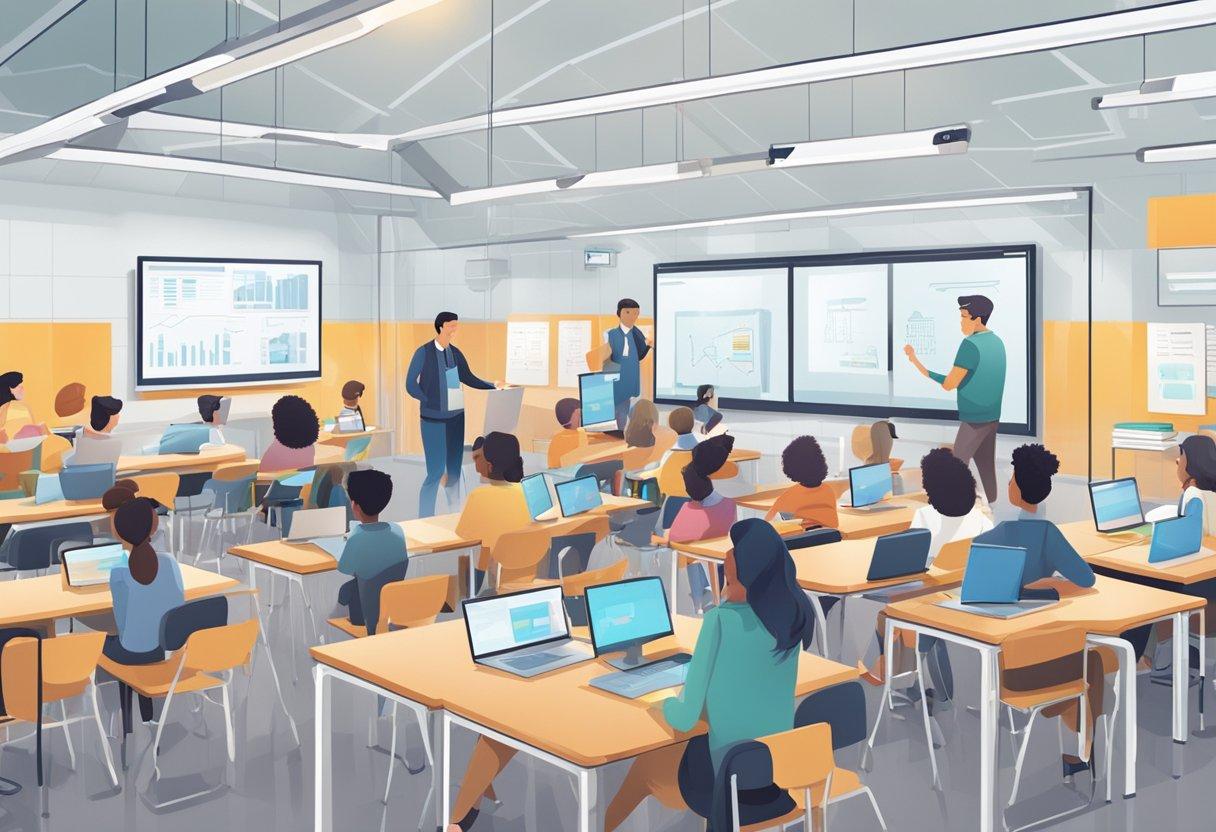
How to Effectively Train Teachers for an AI-Integrated Classroom: essential Strategies for Educators
As artificial intelligence (AI) continues to revolutionize education, the role of teachers is evolving rapidly. With AI-driven tools transforming lesson planning, assessments, and personalized learning, educators must be equipped with the right knowledge and skills to excel in an AI-integrated classroom. in this article,we’ll explore comprehensive strategies,best practices,and practical tips on how to effectively train teachers for an AI-powered learning habitat. Whether you’re a school administrator, trainer, or educator, this guide will help you make the most of AI in education.
The Importance of Teacher Training in AI-Integrated Classrooms
AI technology is reshaping the education landscape—making it crucial for teachers to confidently harness digital tools and data-driven insights.Effective teacher training for AI integration ensures:
- Improved learning outcomes for students
- Greater efficiency in classroom management
- Personalized and engaging instruction
- Data-informed decision-making
- reduced teacher workload and burnout
Essential Strategies to Train Teachers for AI-Integrated Classrooms
Integrating AI into the classroom isn’t just about using new software; it’s about transforming teaching methodologies, fostering a collaborative mindset, and building digital literacy.Here are key strategies every school or district should consider:
1. Start with Foundational AI Literacy
before diving into specific tools, educators should understand the basics of artificial intelligence—what it is, how it works, and its potential ethical implications.AI literacy courses or workshops should cover topics such as:
- Types of AI (e.g., machine learning, natural language processing)
- AI in education: Current trends and future possibilities
- Understanding data privacy and security
- Recognizing AI-generated content and managing bias
2. Hands-On Training with AI Tools
Nothing beats learning by doing. Practical, hands-on workshops help teachers get agreeable with AI-powered educational apps and platforms. Include:
- Interactive demos and guided practice sessions
- Scenarios for using AI tools in lesson planning, feedback, and assessment
- Peer collaboration to share insights and troubleshoot challenges
3. Personalized Professional Development Pathways
No two educators have the same background in technology. Offer personalized learning tracks—self-paced online modules, webinars, and in-person workshops tailored to:
- Experience level with technology and AI
- Subject-specific needs (STEM, humanities, arts)
- Classroom management styles
4. Encourage a Growth Mindset and Collaborative Learning Culture
Prosperous AI integration thrives in a supportive environment. Foster teamwork through:
- Regular collaborative planning sessions
- Peer mentoring and teacher learning communities
- Open forums for sharing AI integration experiences
5. Continuous Feedback and Iterative Improvement
Solicit feedback regularly to refine training programs. Use digital surveys, focus groups, and classroom observations to gather insights on:
- Training effectiveness
- Challenges faced by teachers
- Suggestions for additional support
6. Integrate Ethical Considerations and Digital Citizenship
AI in education raises critically important ethical, privacy, and safety questions. Ensure training covers how to:
- Protect student data
- Encourage responsible use of AI
- Promote fair and unbiased AI usage
Benefits of AI Integration for Teachers and Students
Well-trained teachers in an AI-integrated classroom bring numerous benefits to the learning environment:
- Enhanced Personalization: AI analyzes student data to tailor instruction to individual learning needs.
- Automated Administrative Tasks: Teachers can focus on teaching, not paperwork.
- Real-Time Feedback: AI tools provide instant feedback for both students and teachers.
- Improved Accessibility: AI-powered tools accommodate diverse students, including those with disabilities.
- Data-Driven Insights: Informed decision-making boosts student success rates.
Practical Tips for Successful AI-Integrated Teacher Training
- Break the Ice: Start training with approachable AI applications (e.g.,AI-powered quiz apps or digital assistants).
- provide Ongoing Support: Create a responsive helpdesk, online resource library, and regular Q&A sessions.
- Celebrate Successes: Highlight educators who have successfully improved classroom outcomes with AI.
- emphasize Adaptability: Encourage experimentation and reassure teachers that mistakes are part of growth.
- Leverage Microlearning: Offer short, focused lessons to reinforce AI concepts over time.
- Set Clear Goals: Define measurable objectives for AI integration and track progress systematically.
Case Study: Successful AI-Integrated Teacher Training Program
Case Study: Lincoln Elementary School District, California
In 2022, Lincoln Elementary embarked on a comprehensive AI teacher training initiative. The district adopted a blended learning model combining in-person workshops, online courses, and peer mentoring. Key highlights included:
- Monthly interactive seminars on core AI concepts and classroom applications
- Small group sessions for hands-on practice with adaptive learning platforms
- dedicated “AI champions” in each grade to support ongoing peer learning
- Quarterly feedback surveys to iterate and improve the training program
Within a year, 90% of teachers reported increased confidence in using AI tools, while reading and math scores notably improved among students. The school’s model serves as a blueprint for effective professional development in AI-integrated classrooms.
Frist-Hand Educator Experiences: Voices from the Field
“AI has freed up more of my time to focus on students who need extra attention, while also providing me with deeper insights into class performance,” shares Ms. thompson, a third-grade teacher.
“At first, the technology seemed overwhelming, but with ongoing support and lots of practice, I now use AI tools to create dynamic, personalized lesson plans,” says Mr. Patel, high school math teacher.
Conclusion: Embracing the Future of AI-Powered Education
Preparing teachers for AI-integrated classrooms is key to future-proofing education. By focusing on foundational knowledge,hands-on experience,continuous support,and ethical best practices,schools empower educators to thrive in technology-rich environments. Effective teacher training doesn’t just benefit staff; it transforms student learning and readies the next generation for the challenges and opportunities of the digital age. Embrace these strategies to cultivate a confident, future-ready teaching workforce and unlock the full potential of AI in your school community.