
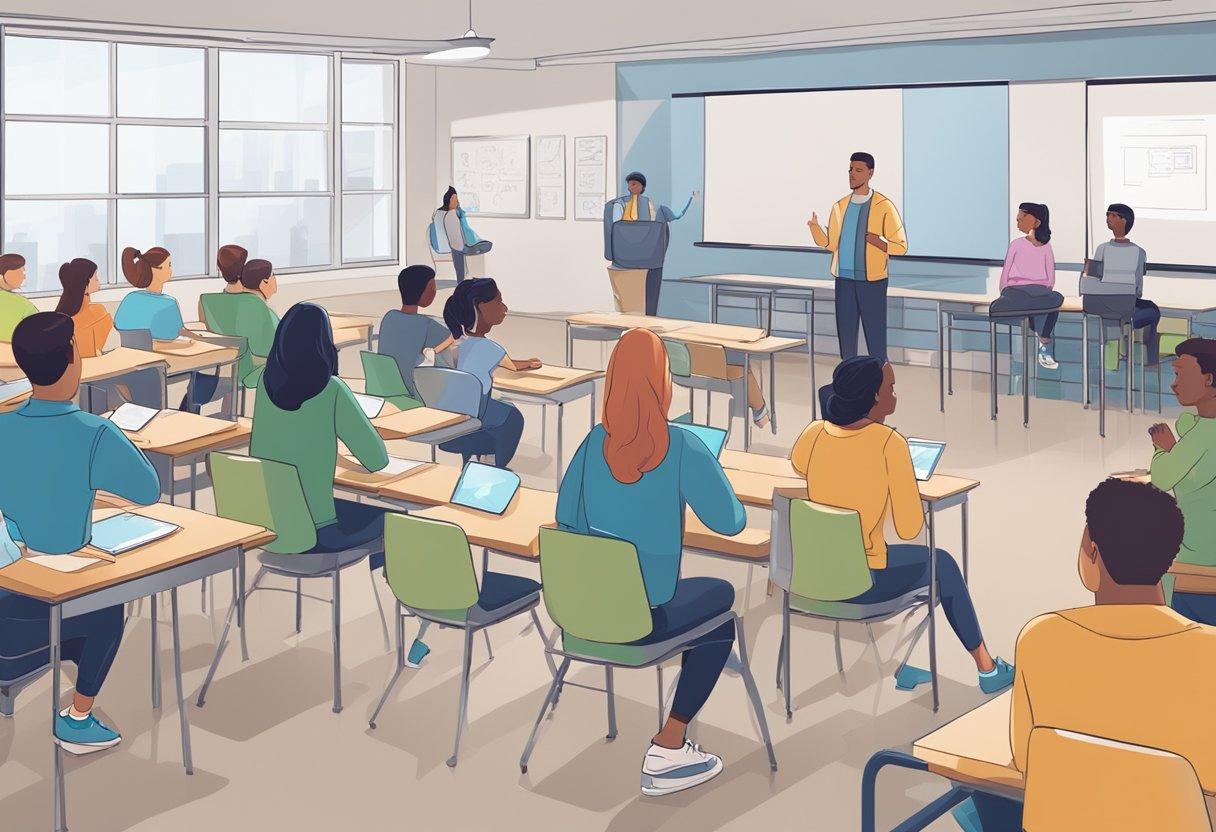
How to Effectively Train Teachers for an AI-Integrated Classroom: Essential Strategies for modern Educators
In today’s rapidly evolving educational landscape,Artificial Intelligence (AI) integration in classrooms is no longer a futuristic concept—it’s an indispensable reality. As modern educators strive to unlock students’ full potential, preparing teachers for an AI-integrated classroom becomes crucial. But how can schools and education leaders ensure effective teacher training for AI technologies? In this comprehensive guide, we break down the essential strategies, real-world case studies, and actionable tips for successfully training teachers to thrive in the ever-changing world of AI-enhanced teaching.
Why Teacher Training for AI-Integrated Classrooms Matters
The incorporation of AI in education is transforming teaching methods, personalizing learning, and optimizing classroom management.However,these benefits can only be realized if teachers are well-prepared to understand,adapt,and leverage AI tools. Professional growth for AI fosters:
- Increased teacher confidence and competence with new technology
- Enhanced student engagement through adaptive and personalized learning
- Greater classroom efficiency with smart grading and analytics
- A future-ready workforce equipped to handle tomorrow’s challenges
“The best AI-enabled classrooms don’t replace the human educator—they empower them.”
Key Components of Effective Teacher Training for AI-integrated Classrooms
A successful AI teacher training program comprises several crucial elements to ensure seamless implementation and lasting impact:
- Comprehensive Understanding of AI Basics: Teachers must grasp basic AI concepts, including ethics, data privacy, and bias.
- Hands-On Practice with AI Tools: Provide opportunities to experiment with classroom-ready AI software such as adaptive learning platforms, automated grading systems, and chatbots.
- Ongoing professional Support: Foster a community of learning with mentoring, tech support, and continuous professional development.
- Pedagogical Integration: Focus on blending AI with existing curricula,emphasizing best practices for technology-enabled teaching.
- Assessment and Feedback Mechanisms: Regularly assess teacher proficiency and gather feedback to refine training initiatives.
Essential Strategies for AI Teacher Training Success
Educators and school leaders should consider the following strategies to effectively train teachers for an AI classroom:
1. Start with AI Literacy Workshops
Host engaging workshops that demystify AI concepts. These introductory sessions should:
- Explain “What is AI?” in the context of education
- explore real-world examples of AI in classrooms
- Discuss ethical implications and digital citizenship
2. Offer Personalized, Role-Specific Training Modules
Develop customized training for various teaching roles. for example:
- Language teachers explore AI-powered translation and feedback tools
- STEM teachers get hands-on with coding bots and smart simulations
- Administrators focus on data analysis and smart reporting systems
3. Encourage Peer Collaboration and Community Building
Facilitate professional learning communities (PLCs) and cross-department mentorship. Sharing experiences helps:
- Reduce technology apprehension
- Promote best practices and resource sharing
- Foster collective problem-solving
4. emphasize practical, Classroom-Based Scenarios
Make training relevant by integrating scenarios such as:
- Using AI for individualized lesson planning
- Incorporating AI assessment tools for formative feedback
- Managing student data ethically and effectively
5. Commit to Continuous Support and Evaluation
Invest in ongoing learning through:
- Access to updated resources and learning portals
- Regular check-ins and refresher courses
- Feedback loops to refine training content and methods
Remember: Successful AI integration is an evolving process, not a one-time event.
Benefits of Effective AI teacher Training
When teachers are empowered with the right skills and confidence, the benefits of AI in education multiply:
- Student-Centered Learning: AI personalizes content, addressing diverse learning styles and paces.
- Enhanced Teacher Productivity: Automation of administrative tasks frees up valuable teaching time.
- Data-Driven Insights: Teachers can access actionable analytics to tailor instruction and interventions.
- Greater Equity and Inclusion: AI tools break language barriers, accommodate special needs, and ensure accessible learning experiences for all.
Real-World Case Studies: Schools Leading in AI-Integrated Teacher Training
Nothing demonstrates impact better than success stories. Let’s look at two innovative institutions:
Case Study 1: The Smart School Initiative, Singapore
Singapore’s ministry of Education rolled out extensive AI training for over 1,500 teachers. The program included bootcamps, role-play with virtual assistants, and real-time feedback. Results showed a 30% increase in teacher confidence using AI-powered personalized learning tools.
Case Study 2: New York City Public Schools, USA
NYCPS piloted an “AI for Educators” certification, encompassing digital ethics, classroom simulations, and mentorship. Schools saw improved student engagement and streamlined grading processes, with teachers reporting higher satisfaction and reduced administrative burdens.
First-Hand experience: Teacher Perspectives on AI Training
Many teachers have shared transformational experiences:
- “AI tools took away my fear of tech—I now use adaptive quizzes for differential instruction.”
- “Professional learning communities made all the difference; we supported each other and grew together.”
- “Seeing student progress through AI analytics is incredibly rewarding and keeps me motivated.”
Practical Tips for Implementing AI-Integrated Classroom Training
Looking for actionable steps? Here’s how administrators and teachers can initiate the journey:
- Audit Existing Skills: Assess teacher comfort with current technologies before introducing AI.
- Start small: Pilot AI tools with early adopters and scale based on feedback.
- Promote Inclusivity: Ensure training materials are accessible, with support for different learning paces.
- Iterate and Improve: Continually adapt training based on outcomes and emerging technologies.
- Encourage Experimentation: Allow teachers the freedom to explore and innovate with AI in the classroom.
Conclusion: Empowering Modern Educators for the AI Era
The future of education is now, anchored in AI integration and teacher empowerment. By following these essential strategies—prioritizing hands-on training, supporting professional communities, and fostering an adaptive mindset—school leaders pave the way for transformative teaching and learning experiences.Investing in effective AI teacher training is not only about mastering technology; it’s about cultivating inspired, resilient educators prepared to nurture the next generation.
Start today: Embrace AI in your training programs and elevate your classroom to meet the demands of tomorrow’s digital world.