
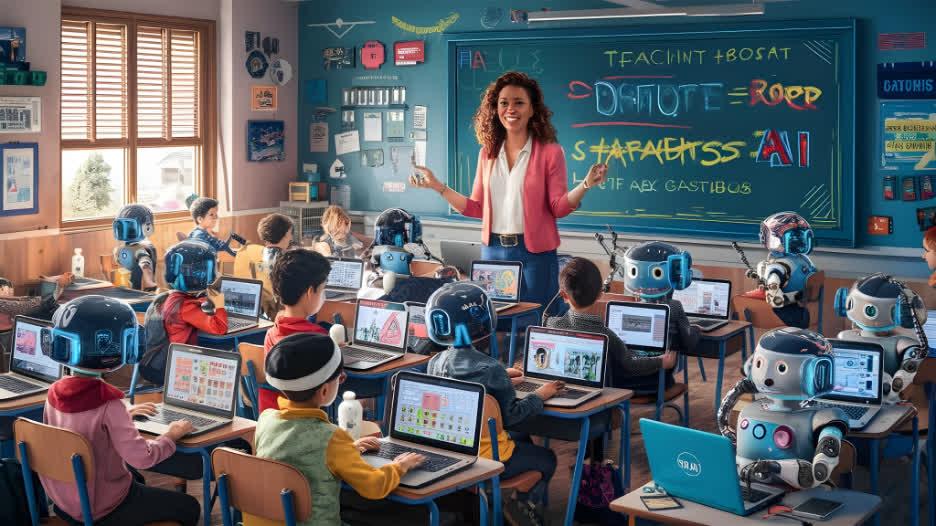
How to effectively Train Teachers for an AI-Integrated Classroom: Strategies and Best practices
The integration of artificial intelligence (AI) in education is transforming how teachers teach and how students learn. As smart technologies continue to shape the modern classroom, it’s essential to provide robust, targeted training for educators, ensuring they feel empowered and confident. In this extensive guide, we explore effective strategies and best practices for training teachers to thrive in an AI-integrated classroom.
Why prepare Teachers for AI-Driven Classrooms?
With AI-powered tools like smart tutoring systems, automated grading, personalized learning analytics, and adaptive content, teachers face new opportunities and challenges. Successful AI implementation in education hinges on well-prepared, digitally literate educators who can harness the full potential of these innovations. Rigorous training programs bridge the gap between AI’s possibilities and classroom realities, ensuring technology enhances—not replaces—the teacher’s pivotal role.
Key Benefits of training Teachers for AI Integration
- Enhanced Instruction: Teachers trained in AI tools can personalize learning, address diverse student needs, and improve engagement.
- Data-Driven Decisions: Understanding AI-based analytics aids educators in identifying learning gaps and making informed instructional choices.
- Efficiency: AI can automate administrative tasks, freeing teachers to focus on meaningful teaching.
- Future-Readiness: Equipped teachers foster digital literacy and critical thinking skills essential for 21st-century learners.
Core Strategies for Effectively Training Teachers for AI-Integrated Classrooms
1. Start with Foundational AI Literacy
- Demystify AI: Introduce basic AI concepts—how it works, where it’s used, and its educational applications.
- Highlight Ethics and Bias: Explore the ethical dimensions of AI in the classroom, covering data privacy, bias, and fair use.
- Clarify Teacher Roles: Emphasize how AI complements, rather than replaces, teachers’ unique pedagogical expertise.
2. Provide Hands-On Experience with AI Tools
- Interactive Workshops: Arrange workshops allowing teachers to experiment with adaptive learning platforms,AI grading software,and classroom assistants.
- Sandbox Environments: Create safe spaces for educators to test, iterate, and learn from mistakes with AI software.
- Collaborative Learning: Encourage peer learning groups where teachers share insights, lesson plans, and best practices.
3. Adopt a Blended Training Approach
- Online Modules: Offer self-paced e-learning modules on AI concepts, implementation, and troubleshooting.
- In-Person Sessions: Facilitate face-to-face workshops for real-time Q&A, case study analysis, and tool demonstrations.
- Ongoing Support: Maintain helpdesks, forums, or mentorship programs for continuous professional development.
4. integrate pedagogical Best Practices with Technology Training
- Contextual Relevance: Align AI tool use with curricular goals and teaching standards.
- Classroom Management: Show how AI can enhance, not disrupt, classroom routines.
- Assessment & Feedback: Train teachers to interpret and act upon insights generated by AI analytics effectively.
5. Encourage Reflective Practice and Continuous Learning
- Feedback Loops: Collect regular feedback from teachers on what works and where improvements are needed.
- Update Content: Revise training materials in response to evolving AI technologies and feedback.
- Promote a Growth Mindset: Foster an habitat where learning from failure is valued as part of tech adoption.
Best Practices for AI Teacher training Programs
- Inclusive Training: Cater training to all levels of technical expertise and subject backgrounds.
- Address Real Classroom Challenges: Use authentic scenarios and case studies to ground AI concepts in day-to-day teaching.
- leverage Microlearning: Break down content into short, focused modules for ease of absorption and flexibility.
- Encourage Cross-Disciplinary Collaboration: Foster partnerships between subject teachers, IT staff, and AI specialists.
- Celebrate Early Adopters: Recognize champions of change to motivate broader participation.
Practical Tips for Schools & Administrators
- Perform a Needs Assessment: survey teachers to determine comfort levels, needs, and existing skill gaps.
- Prioritize User-Friendly Technologies: Select intuitive AI solutions to ensure speedy onboarding.
- Develop Clear Guidelines: Establish ethical and safe use policies for AI in the classroom.
- Allocate Time and Resources: Ensure teachers receive adequate time and support for training and implementation.
Case Studies: AI Training in Action
case Study 1: A U.S. School District’s Phased Rollout
A midwestern school district piloted adaptive learning platforms in select classrooms. teachers participated in a summer training bootcamp, followed by bi-weekly check-ins and a mentorship pairing system. Within a year, educators reported higher student engagement, improved personalized feedback, and reduced time spent on grading.
Case Study 2: International School’s Collaborative Approach
An international private school in Asia created interdisciplinary training teams comprising math,language arts,and IT instructors. Together, they co-designed lesson plans using AI-powered analytics. Teachers appreciated the community-driven atmosphere and saw a measurable uptick in learning outcomes.
Teachers’ Firsthand Experiences With AI Integration
“Initially, I was skeptical about letting an algorithm help me spot struggling students. But after training, I saw how AI doesn’t make decisions for me—it gives me new insights and saves time. It’s like adding a co-teacher in the room!”
— Emily R., High School Science Teacher
“Our admin team hadn’t anticipated how much we needed support after the initial AI tool training. The ongoing workshops and mentorship made all the difference in my confidence to try new tech with my students.”
— Abdul H., Middle School Maths Instructor
Overcoming Common Challenges in AI Teacher Training
- Technology Hesitancy: Offer encouragement and peer support to help less tech-savvy teachers build digital confidence.
- Resource Constraints: Utilize open-source AI tools and collaborate with edtech partners for cost-effective solutions.
- Training Fatigue: Keep sessions short, purpose-driven, and directly tied to teachers’ real needs and classroom goals.
Conclusion: Empowering educators for an AI-Integrated Future
AI is revolutionizing K-12 and higher education settings around the globe. The most successful AI-integrated classrooms are led by teachers who are not only digitally literate, but also adaptable and open to ongoing learning. By investing in effective teacher training for AI in education, schools will nurture tech-savvy educators ready to inspire the next generation of learners.
Empower your educators with the strategies and best practices shared above. Start small, collaborate, and focus on continuous improvement—because the classroom of tomorrow starts with the training you provide today.