
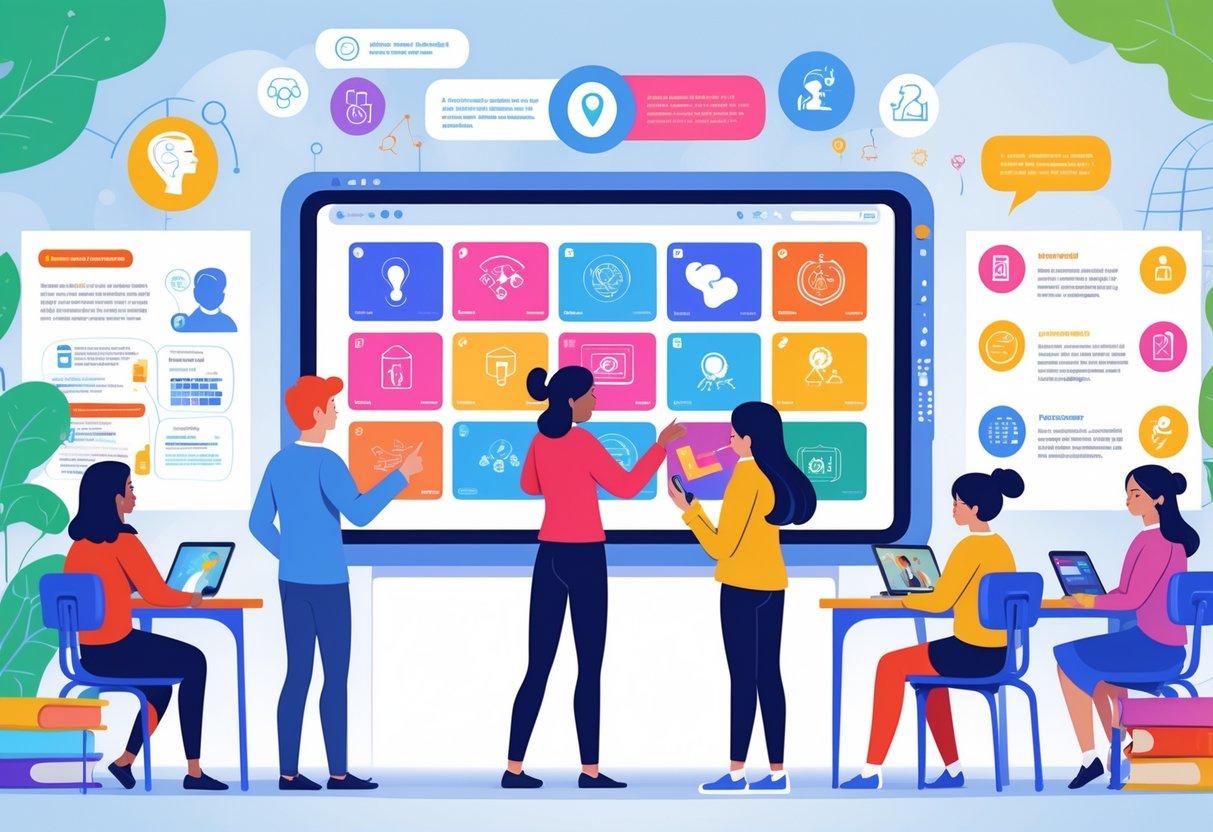
How to Effectively Train Teachers for an AI-Integrated Classroom: Strategies for 21st Century Education
The fusion of Artificial Intelligence (AI) with modern classrooms is redefining 21st century education. As technology transforms learning, the critical component remains: the educators themselves. So,how can schools and institutions effectively train teachers for an AI-integrated classroom? This thorough guide explores practical strategies,key benefits,and proven methods to prepare educators for success in the digital age.
Why Teacher Training Matters in an AI-Integrated Classroom
With AI technology in education becoming mainstream, teachers are expected to utilize intelligent systems—from adaptive learning platforms to personalized feedback tools. However, the effectiveness of AI in classrooms heavily depends on a teacher’s confidence and skills in harnessing these technologies. without robust teacher training, even the best educational tools may fall short.
Key Benefits of AI-Integrated teacher Training
- Personalized Learning: Teachers learn to tailor educational experiences based on real-time data and student analytics.
- Enhanced engagement: AI-driven gamification and interactive lessons boost classroom participation.
- efficiency: Automation frees teachers from administrative burdens, enabling more focus on students.
- Continuous Improvement: Built-in feedback loops allow for ongoing performance assessment and improvement.
- Future-Readiness: Prepares both teachers and students for an AI-rich workforce.
Core Strategies for Training Teachers in AI-Integrated Classrooms
Implementing effective professional growth programs ensures educators feel empowered and equipped to use AI-based tools. Here are research-backed strategies and actionable steps:
1. Establish a Foundational Knowledge of AI in Education
- Host introductory workshops on AI concepts, applications, and ethics in teaching.
- Offer online modules covering topics such as machine learning, data privacy, and AI-assisted instruction.
- Provide access to resources, including case studies and videos, to demystify AI technology.
2. Focus on Practical, Hands-On Training
- Facilitate classroom simulations using real-world AI tools like intelligent tutoring systems and assessment platforms.
- Encourage teachers to experiment with AI-powered apps, learning management systems, and chatbots in controlled scenarios.
- Partner with edtech companies for live demonstrations and interactive sessions.
3. Build digital Literacy and Data Skills
- Incorporate data analysis and interpretation into professional development tracks.
- teach educators how to ethically handle and protect student data while leveraging AI recommendations.
- Support ongoing digital citizenship training for both teachers and learners.
4.Foster Collaborative Learning Communities
- Create mentorship programs pairing tech-savvy teachers with those new to AI tools.
- Develop professional learning networks online to share best practices and solve problems collectively.
- Encourage peer-led workshops and teamwork in integrating AI curricula.
5. Provide Ongoing Support and Feedback
- Establish helpdesks and expert panels for troubleshooting and real-time guidance.
- Schedule regular feedback sessions to address concerns and fine-tune strategies.
- Invest in continuous learning pathways to keep teachers abreast of evolving AI technologies.
Practical Tips for Implementing AI-Integrated Teacher Training
- Start Small: Pilot AI initiatives in selected classrooms before scaling school-wide.
- Customize Training: tailor professional development to individual teacher strengths and subject areas.
- Leverage Existing Platforms: Use familiar software and gradually introduce advanced AI features.
- Make Training accessible: Offer flexible, on-demand online courses and microlearning options.
- Integrate Feedback: Use surveys and classroom observations to refine training programs continuously.
Case Studies: Successful Teacher Training for AI-Integrated Classrooms
To better illustrate effective teacher training in AI-integrated settings, let’s delve into two notable case studies:
Case Study 1: singapore’s National AI Literacy Programme
- Approach: Singapore introduced mandatory AI literacy training for all secondary school teachers.
- Outcome: Over 95% of educators reported increased confidence with AI tools, and student engagement rose significantly.
- Key Takeaway: Comprehensive, consistent training combined with policy support ensures enduring AI adoption.
Case Study 2: United States—AI Leader Labs in California Schools
- Approach: Schools partnered with tech firms to provide hands-on AI workshops and individualized coaching for teachers.
- Outcome: Teachers quickly adopted AI-powered platforms, reporting improved lesson planning and personalized student support.
- Key Takeaway: Collaboration between educational stakeholders and technology experts drives successful AI integration.
First-Hand Experience: A Teacher’s Perspective
Many educators share that initial exposure to AI in education can be daunting, but with the right support, the transition becomes an exciting journey. “I was hesitant about using AI tools in my math classes,” recalls Maria, a high school teacher in Texas. “After hands-on training and ongoing mentorship, I now use adaptive learning software to reach every student at their level. It’s transformed my teaching and my students’ outcomes.”
Her experience underscores that effective professional development, especially with peer collaboration and real classroom practice, empowers teachers to thrive in AI-driven environments.
The Future of AI in 21st Century Education: Preparing Teachers for Success
Looking ahead, as educational technology rapidly evolves, schools must prioritize continual teacher training and adaptable methodologies. Lifelong learning and regular upskilling should become the norm for educators. Effective AI integration relies not just on intelligent systems, but on passionate teachers who can innovate and adapt within these new paradigms.
- Encourage research and experimentation to discover practical AI applications in unique classroom contexts.
- Align teacher training with future workforce needs, preparing students for careers in STEM and beyond.
- Monitor the ethical implications of AI in education to safeguard student interests and promote responsible use.
Conclusion: Empowering Teachers for an AI-Integrated Classroom
AI is revolutionizing the way we teach and learn, making effective teacher training essential for 21st century education. By combining foundational knowledge, practical workshops, collaborative networks, and ongoing support, schools can ensure teachers are confident and competent in using AI technologies. The goal is not to replace educators, but to empower them—to leverage the advantages of AI for greater personalization, engagement, and efficiency in every classroom.
The future of education lies in unlocking the full potential of teachers, armed with the latest tools and training in artificial intelligence. As institutions invest in comprehensive AI-focused professional development, they pave the way for better learning, stronger student outcomes, and a more adaptable, innovative society.