
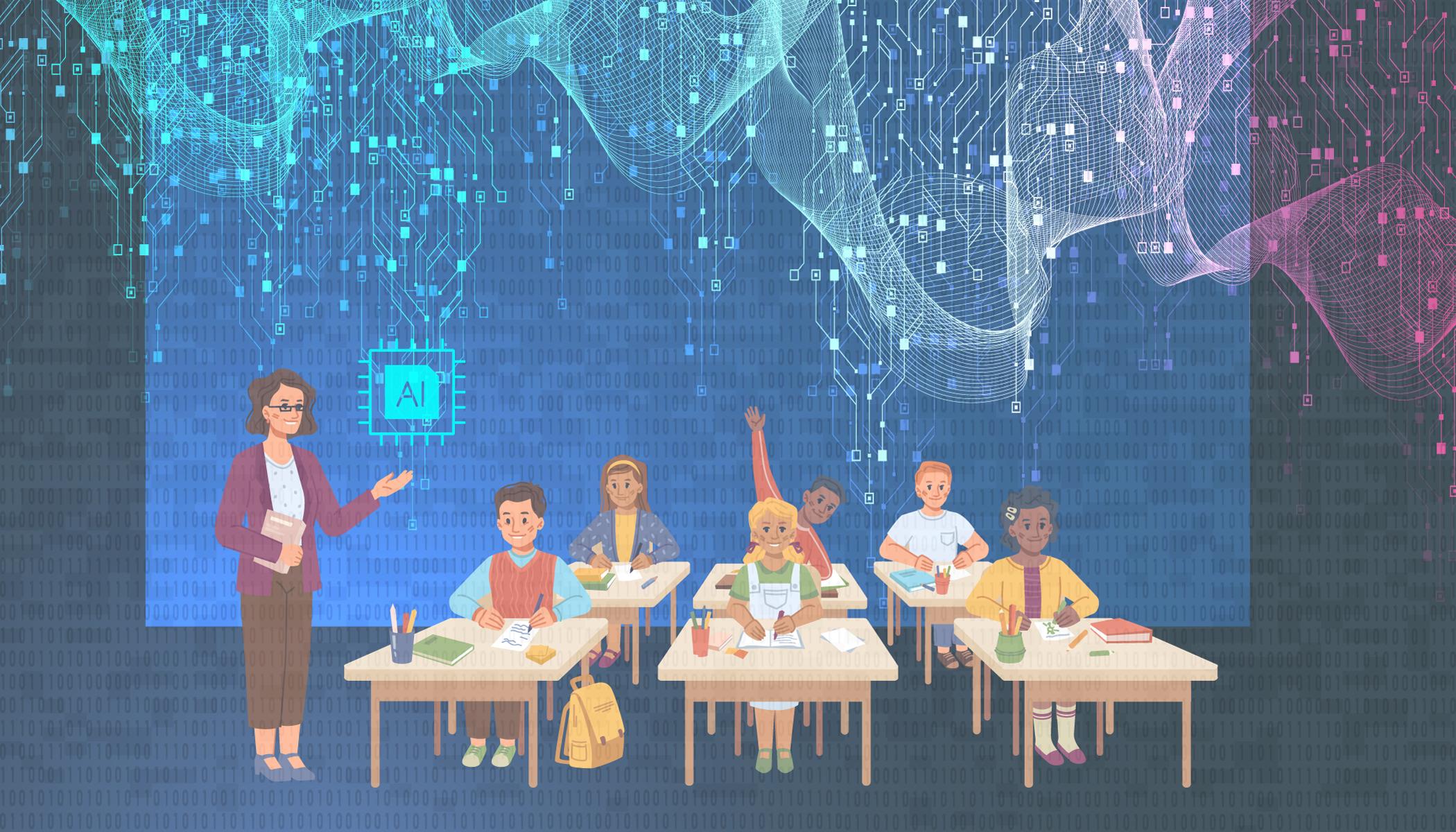
How to Effectively Train Teachers for an AI-Integrated Classroom: Strategies for Success
The education landscape is rapidly shifting, with artificial intelligence (AI) becoming a cornerstone of modern classrooms. As schools worldwide embrace advanced technology, the need to train teachers for AI-integrated classrooms has never been more pressing. Equipping educators with the right skills ensures not only the success of AI tools but also maximizes student outcomes in the digital era. This comprehensive guide explores effective strategies,real-world case studies,and actionable tips to empower teachers for the AI-driven future.
Why Effective Training for AI-Integrated Classrooms Matters
Before delving into specific strategies, it’s important to understand the significance of teacher training for AI-enabled classrooms. Robust professional advancement ensures the seamless integration of AI tools—such as adaptive learning platforms, virtual assistants, and data analytics—into everyday teaching. Well-trained teachers can harness these technologies to:
- personalize instruction to address diverse student needs
- Leverage real-time data to inform teaching strategies
- Foster critical thinking and digital literacy
- Increase student engagement and motivation
Without a solid foundation in AI, educators may struggle with technology adoption, resulting in underutilized resources and missed learning opportunities.
Key Strategies for Effective Teacher Training in AI-Integrated Classrooms
To ensure lasting success, schools and districts must adopt a considered approach to training teachers for AI-based classrooms. Here are proven strategies to foster educator confidence and competence:
1.Conduct Thorough Needs Assessments
- Survey Staff: Understand existing levels of tech proficiency and attitudes toward AI.
- Identify gaps: Pinpoint specific skills and knowledge areas needing attention, such as AI ethics, data privacy, or troubleshooting tools.
2. Provide Ongoing Professional development
- Offer Hands-On Workshops: Interactive sessions with AI tools and platforms help teachers gain practical experience.
- Host Webinars & Learning Modules: On-demand resources and expert-led webinars allow for flexible, continuous learning.
- Encourage peer Collaboration: support teacher communities of practice where experiences, tips, and lesson plans can be shared.
3. Support with coaching and Mentoring
-
Pair novice users with AI-proficient mentors who can provide guidance and encouragement.
-
Set up “AI champions” in each subject department to act as point persons for questions and support.
4. Customize Training for Different Subject Areas
-
Deliver subject-specific training to address unique classroom needs (e.g., AI in language arts vs. STEM subjects).
5. Emphasize Ethical and Responsible Use of AI
-
Ensure teachers understand topics like data security,bias in AI models,and student privacy.
6. Foster a Growth Mindset and Culture of Innovation
-
Promote experimentation, reflection, and the acceptance that mistakes are part of the learning process.
-
Recognize and celebrate successes within the school community.
Benefits of Training Teachers for AI-Integrated Classrooms
Investing in teacher readiness for AI classrooms unlocks a range of benefits for schools and educators:
- Enhanced Student Learning: AI-powered tools support differentiated instruction and targeted interventions.
- Efficient Administrative Tasks: automation streamlines grading, assessment, and administrative work, freeing up time for teaching.
- Future-Ready Skills: Teachers gain valuable digital skills, while students are better prepared for an AI-driven world.
- Higher teacher Retention: Empowered teachers feel more confident and satisfied in their roles, reducing burnout and turnover.
Practical Tips for Accomplished AI-Integrated Teacher Training
Ready to roll out an AI teacher training program at your school or district? Consider these actionable tips to drive success:
- start Small: Introduce one or two AI tools at a time. Don’t overwhelm teachers with too many changes at once.
- Include Student Voices: Involve students in feedback sessions to understand how AI impacts their learning experience.
- Integrate Training into Daily Routines: Make professional development an ongoing part of staff meetings and planning sessions.
- Leverage Online Learning Communities: Encourage participation in global networks where educators discuss best practices for AI integration.
- Measure Impact: Regularly evaluate the effectiveness of AI in the classroom through surveys, academic results, and teacher self-reflection.
Case Study: A School’s Journey to Successful AI Integration
Sunrise Progressive School in California set out to integrate AI across all grade levels in 2022. Recognizing that teacher readiness was critical, the school launched a multi-phase professional development initiative:
- Conducted surveys to assess teacher confidence with technology.
- Organized a summer “AI Boot Camp” led by classroom innovators.
- Established mentorship pairs and monthly peer meetings.
- Tracked progress with quarterly self-assessments and student feedback.
Within a year, the school reported a 30% advancement in teachers’ self-reported AI proficiency, while student achievement levels in math and reading saw noticeable gains. The key takeaway? Thoughtful, ongoing teacher training can transform the potential of AI in education into measurable student success.
First-Hand Experience: Teacher Insights on AI Training
“Initially, I was intimidated by AI technology. But hands-on training and support from my colleagues helped me see how these tools could simplify lesson personalization and automate repetitive tasks. today,AI is an everyday part of my teaching toolbox—and my students are more engaged than ever.”
—Maria Torres, Middle School Language Arts Teacher
Stories like Maria’s highlight the positive impact of effective teacher training for AI classrooms. When educators feel supported and empowered, they’re better equipped to create engaging, inclusive, and future-focused learning environments.
Conclusion: Empowering Teachers for the AI Classroom Revolution
As AI transforms the educational landscape, robust teacher training is the linchpin of successful classroom integration. By adopting clear strategies—such as ongoing professional development, mentoring, needs-based learning, and a focus on ethical AI use—schools can ensure teachers thrive in digitally advanced learning environments. Investing in the continuous development of educators not only enhances learning outcomes but also paves the way for a dynamic, innovative, and student-centered future.
Ready to start your journey? Prioritize teacher readiness for AI-integrated classrooms today—and unlock your school’s full potential in the digital age.