
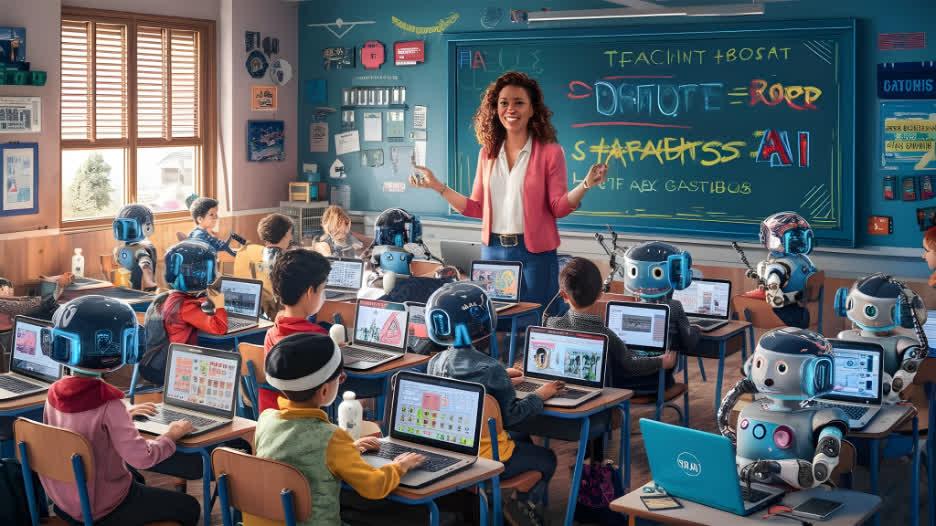
How to Effectively Train Teachers for Success in an AI-Integrated Classroom
In an era where technology is transforming education, AI-integrated classrooms are rapidly becoming the norm. Though, the real catalyst for success in these modern learning environments isn’t just advanced tools and algorithms—it’s well-trained teachers equipped to leverage artificial intelligence for student achievement. Understanding how to effectively train teachers for AI-integrated classrooms is crucial for educators, administrators, and policy makers seeking future-ready schools.
Why AI Integration in education Matters
Artificial Intelligence enhances classrooms by personalizing learning, automating administrative tasks, and providing smart feedback. For teachers, AI can support differentiated instruction and data-driven decision-making, but without adequate training, adoption remains fragmented.
- Personalized Learning: AI systems can adapt tasks to individual student needs.
- Real-time Analytics: Insights from AI help teachers identify learning gaps.
- Efficient Administration: Automation saves time on grading, attendance, and more.
Challenges Teachers Face in AI-Integrated Classrooms
Transitioning to AI-powered environments is not without hurdles:
- Lack of familiarity with AI tools and platforms
- Concerns about job security and role changes
- Ethical considerations and data privacy
- Insufficient ongoing professional progress programs
- Resistance to change and technology-driven pedagogy shifts
The Benefits of Effective teacher training for AI-Integrated Learning
Investing in complete teacher training programs brings significant advantages:
- Increased Confidence: Teachers embrace innovation when supported and informed.
- improved Classroom outcomes: Students benefit from personalized,adaptive instruction.
- Ethical AI Use: Proper training ensures teachers use AI responsibly and understand privacy laws.
- Lifelong Learning Culture: Educators continually upskill, modeling growth for students.
Key Strategies to Effectively train Teachers for AI-Integrated Classrooms
-
start with Mindset Shifts
- Address misconceptions about AI in education
- Highlight AI’s role as a teacher’s assistant,not a replacement
- Foster a culture of curiosity and continuous learning
-
Design Scalable Professional Development (PD) Programs
- Offer interactive,hands-on workshops and simulations
- Provide online modules for self-paced learning
- Facilitate peer-to-peer coaching and collaboration
-
Focus on Practical Application
- Integrate real classroom scenarios and case studies
- Encourage micro-teaching sessions using AI tools
- Allow experimentation in a low-stakes environment
-
Include Digital Literacy and Data Ethics
- Teach fundamentals of data privacy,security,and responsible AI use
- Clarify local policies and regulations regarding student data
- Explore bias mitigation and equity in AI algorithms
-
Leverage Feedback and Continuous Improvement
- Solicit teacher feedback after every training module
- Adjust programs based on evolving technology and teacher needs
- Encourage teacher-led innovation in AI adoption
Practical Tips for Schools and Educators
- Begin with Basics: Ensure baseline understanding of what AI is—and what it is not.
- Pilot Programs: Launch small-scale AI initiatives before full implementation.
- community of Practice: Create teacher networks for sharing resources and experiences.
- Involve Stakeholders Early: Invite input from students, parents, and the wider community.
- provide Ongoing Support: Establish mentorship programs and help desks for tech troubleshooting.
Case Studies: Teacher Training Successes in AI-Integrated Classrooms
Case Study 1: Urban Public School District
A mid-sized urban district piloted an AI-powered reading app to identify and address literacy gaps. Teachers received targeted training workshops on integrating the AI tool in lesson plans. As a result, reading proficiency scores improved by 17% over one academic year.
“Having the right training made all the difference. The AI didn’t just save me time—it gave new confidence to my teaching and helped my students succeed.” — Ms. Clara Jones, Grade 4 Teacher
Case Study 2: Private International School
This school implemented AI-driven formative assessment tools. Teachers engaged in a blended PD series with in-person clinics and ongoing webinars. The use of AI supported differentiated instruction across diverse student needs, leading to better engagement and motivation in STEM subjects.
First-Hand Experiences: Teacher Voices
-
“Adopting AI-enhanced lesson planning not only boosted my productivity, but helped me tailor support for struggling students.”
- — Mr. Julian Park, Middle School Math
-
“My professional development group was key to navigating new platforms. Collaboration turned anxiety into inspiration.”
- — Ms. Sandra Huang, High School Science
-
“Learning about AI bias opened my eyes to designing fairer, more equitable classroom experiences.”
- — Ms. Emily Nwosu, Elementary School Teacher
Conclusion: Empowering Teachers for Future-Ready Classrooms
AI is not here to replace teachers—it’s here to elevate them. Effective teacher training for AI-integrated classrooms is essential for unlocking the full potential of technology in education. By focusing on mindset, practical application, continuous support, and ethical awareness, schools and educational leaders can empower teachers to thrive in dynamic, AI-powered settings.
Ready for the future? Start investing in high-quality AI teacher training today and ensure your school community leads the way in educational innovation.