
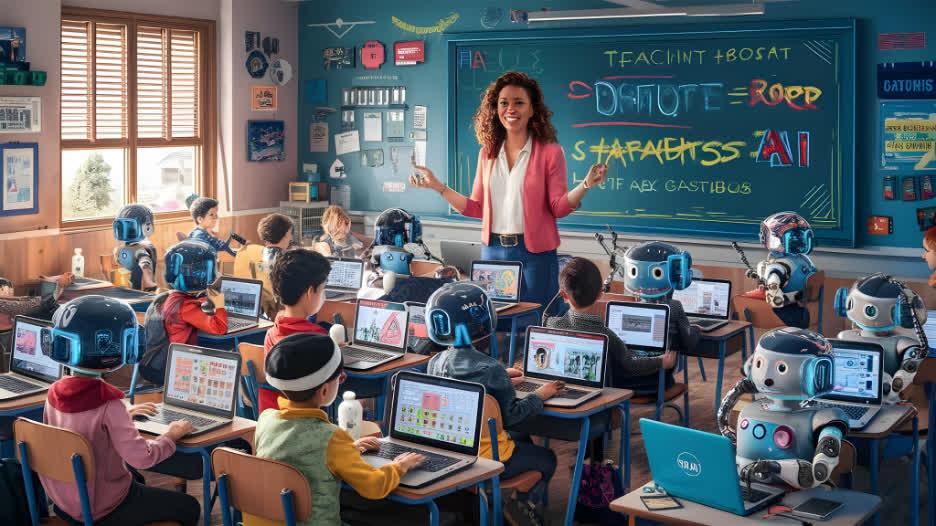
How to Effectively Train Teachers for Success in the AI-Integrated Classroom
The rise of artificial intelligence (AI) in education is transforming classrooms worldwide. AI-powered tools, personalized learning experiences, and clever tutoring systems offer immense potential for teachers and students alike. Though, for AI integration in education to be truly effective, teachers need the right training to harness these technologies confidently and ethically. In this comprehensive guide, we’ll explore how to effectively train teachers for success in the AI-integrated classroom, highlighting key strategies, real-world examples, practical tips, and the undeniable benefits of investing in teacher professional growth in the era of AI.
Why AI Integration Requires Rethinking Teacher Training
Traditional classroom training often focuses on curriculum delivery and classroom management. Though, AI-integrated classrooms introduce new dynamics such as data-driven instruction, adaptive learning platforms, and the use of chatbots and virtual assistants. To bridge the gap,teacher training for AI must address both the technical and pedagogical aspects of these emergent tools.
- Technological Proficiency: Teachers must learn to operate and troubleshoot AI-enabled tools.
- Data Literacy: Understanding data privacy, student analytics, and responsible data use is critical.
- Pedagogical Shifts: Instructional approaches evolve when AI personalizes the learning journey for each student.
- Ethical Considerations: Teachers need guidance on bias, clarity, and digital citizenship.
Key Benefits of Effective AI Teacher Training
Investing in AI professional development for teachers delivers far-reaching benefits for educators, students, and schools:
- Improved Learning outcomes: AI enables personalized support, reduces gaps, and caters to diverse learning needs.
- Enhanced Teacher Confidence: Training empowers teachers to leverage innovative tools and adapt to changes with ease.
- Greater Student Engagement: Teachers can integrate interactive AI platforms, making lessons more relevant and exciting.
- efficient Classroom Management: AI automates administrative tasks, allowing teachers to focus on pedagogy.
- Compliance and Ethical Use: Well-trained teachers ensure data privacy, minimize bias, and model digital responsibility.
Essential Elements of a Successful AI teacher Training Program
Building a robust AI training program for teachers involves a multi-faceted approach. Here’s what an effective program should include:
1. hands-on Experiance with AI Tools
- Allow teachers to experiment with AI-powered learning apps, adaptive assessment software, and virtual tutoring platforms.
- Simulated classroom scenarios help educators familiarize themselves with real-world classroom AI integration.
2. Practical Workshops and Continuous Professional Development
- Regular workshops should address both foundational skills and advanced AI features.
- Encourage peer-to-peer learning and community of practice groups for ongoing support.
3. Focus on Data interpretation and privacy
- Design sessions on interpreting student performance analytics and longitudinal data trends.
- Include robust training on FERPA, GDPR, and local data protection requirements.
4. Ethical and Responsible AI Use
- Incorporate discussions on AI bias, fairness, and transparency.
- Emphasize teaching students about responsible AI usage and digital citizenship.
5. Adaptability & Accessibility in Training Delivery
- Utilize blended learning—offer both in-person and online modules to suit varying schedules.
- Provide microlearning resources and just-in-time supports for busy educators.
Practical Tips: How Schools Can Train teachers for the AI-Integrated Classroom
-
Conduct a Training Needs Assessment
Survey staff to identify gaps in AI knowledge, confidence, and technology access.
-
Create Collaborative Learning Communities
Establish mentorship programs and PLCs (Professional Learning Communities) focused on AI education technology.
-
Select User-Kind AI Tools
Prioritize solutions that offer comprehensive training resources, technical support, and intuitive interfaces.
-
Integrate AI Training into Existing PD Frameworks
Incorporate AI modules into ongoing professional development rather than treating them as stand-alone sessions.
-
Showcase Success Stories
Highlight early adopters and AI classroom champions to inspire engagement.
-
Establish Feedback Loops
Collect regular feedback from teachers to refine training content and delivery.
-
Encourage Experimentation and Reflection
Provide safe spaces for teachers to try, reflect, and iterate on AI tool usage without fear of failure.
Case Study: Successful AI Teacher Training in Action
example: The InnovateEd District’s AI Transformation
In 2023, InnovateEd school District launched a comprehensive AI integration initiative. The district provided dedicated workshops, online micro-courses, and mentoring sessions for all teachers. By pairing experienced “AI guides” with less-experienced colleagues, they fostered collaborative learning. Within a year, 78% of teachers reported greater confidence using AI-driven platforms for differentiated instruction, while overall student achievement in literacy and math saw measurable gains.
First-Hand Perspective: A Teacher’s Journey to AI Fluency
“Initially, I was overwhelmed by the prospect of using AI in my classroom,” says Ms. Carter, a middle school science teacher.“But after attending hands-on workshops and having access to ongoing support, my anxiety faded. I learned not just how to use the tools,but how to truly personalize learning for each student. The excitement and progress I see in my students make every bit of training worthwhile!”
Overcoming Challenges in AI Teacher Training
- Time Constraints: Offer modular,bite-sized learning that fits busy teaching schedules.
- Resource Inequity: Ensure equitable access to devices, internet, and software for all teachers.
- Resistance to change: Drive buy-in by emphasizing the positive impact on teaching efficacy and student success.
- Keeping Up with Evolving Tech: Partner with EdTech companies for updates, and foster a culture of continuous learning.
The Future of AI Teacher Training: Trends to Watch
- Personalized Professional Development Pathways powered by AI to tailor learning experiences for teachers.
- Peer Coaching via Virtual AI Assistants, offering just-in-time support and resources.
- Global plcs connecting educators worldwide to share AI classroom best practices.
- Stronger Emphasis on AI Ethics as new regulations and societal considerations emerge.
Conclusion: Empowering Teachers for the AI-Enhanced Future
Effective training is the cornerstone of successful AI integration in education. By investing in sustained, practical, and ethical AI teacher training, schools empower teachers to create more personalized, engaging, and impactful learning experiences. As technology continues to advance,equipping teachers for the AI-integrated classroom isn’t just an option—it’s an educational imperative. With the right strategies, resources, and support networks, every teacher can thrive and lead their students into a bright, AI-enhanced future.