
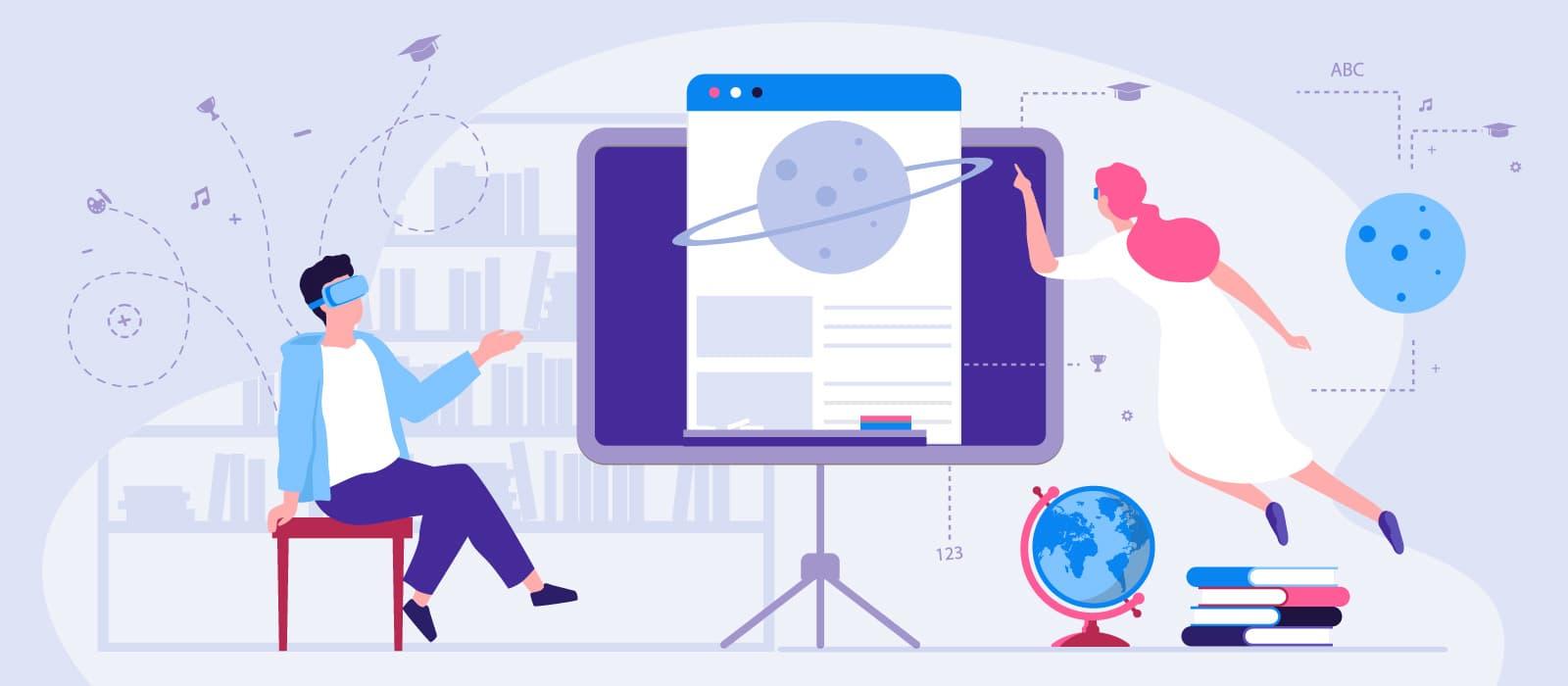
How to Effectively Train Teachers in Using VR/AR Tools for Modern Classrooms
Virtual Reality (VR) and Augmented Reality (AR) are revolutionizing education, but how can educators be best equipped to use these powerful tools? This complete guide explores proven strategies to effectively train teachers in using VR and AR in modern classrooms, offering practical tips, insights, and real-world examples to help schools unlock technology’s full potential for learning.
Introduction to VR/AR in education
Modern classrooms are evolving rapidly wiht the advent of immersive technologies like Virtual Reality (VR) and Augmented Reality (AR). These tools foster interactive and experiential learning, allowing students to explore new worlds, conduct virtual experiments, and visualize complex concepts. Though, to bring these benefits to students, schools must prioritize effective teacher training in VR/AR tools. When teachers are confident and skilled in these technologies, educational outcomes and student engagement rise considerably.
Why Train Teachers in VR/AR Tools?
Despite growing investment in classroom technology, many teachers feel unprepared to incorporate VR/AR resources into their instruction. Effective training helps teachers:
- Integrate technology seamlessly with lesson plans.
- Enhance student engagement through interactive experiences.
- Improve learning outcomes via visualizations and simulations.
- Reduce technology apprehension and boost confidence.
- Adapt to diverse learning styles by providing new approaches for instruction.
Ultimately, well-trained teachers are the key to unlocking the full potential of VR/AR in the classroom.
Benefits of VR/AR tools in Modern Classrooms
- Immersive Learning: Students can explore ancient events, scientific phenomena, and distant cultures more vividly.
- Enhanced Collaboration: VR/AR applications often include interactive elements, making group work more engaging.
- Increased Accessibility: VR/AR can help students with different learning needs by offering alternative methods to grasp complex concepts.
- Memory Retention: Immersive experiences have been linked to improved knowledge retention compared to customary teaching.
- Real-World Applications: students can practice skills in real-world scenarios,from engineering to language learning.
Key Components of an Effective VR/AR Teacher Training Program
A accomplished training program should be practical, hands-on, and supportive. Here are the essential elements:
- Needs Assessment: Survey teachers to understand their current knowledge, attitudes, and specific challenges with classroom technology.
- Hands-On Workshops: Provide direct experience with VR/AR devices and software in a collaborative setting.
- Incremental Learning Modules: Break down training into manageable sessions focusing on different aspects, such as lesson planning, troubleshooting, and student engagement.
- Peer Support and Mentoring: Establish a support network where early adopters mentor others in practical request.
- Ongoing Professional Development: Offer refresher courses, webinars, and access to online resources to ensure skills remain current.
- Integration With Curriculum: Help teachers align VR/AR tools with state standards and learning objectives.
- Feedback Loops: Collect input from teachers to continually refine the training process.
Practical Tips for Training Teachers in VR/AR tools
- Start Small: Introduce teachers to basic VR/AR applications before moving on to advanced features. Tools like Google Expeditions or Merge Cube are user-pleasant starting points.
- Demonstrate Real Classroom Scenarios: Showcase examples of VR/AR lesson plans relevant to various subjects, from math and science to literature and history.
- Provide Step-by-Step Guides: equip educators with written and video tutorials for setting up and troubleshooting devices.
- Encourage Collaboration: Facilitate group projects during training sessions to foster teamwork and shared learning.
- Offer Continuous Support: Set up helplines, email threads, or discussion forums for ongoing guidance and questions.
- Highlight Safety and Ethical Issues: teach responsible technology use, data privacy, and how to manage screen time.
- Link to Academic Goals: Show how VR/AR tools can enhance test scores and meet curriculum benchmarks.
Case Studies: Successful Teacher Training in VR/AR
1. STEM Lab Success Story
A midwest high school integrated VR science simulations after conducting a series of hands-on workshops with local educators. Teachers reported increased engagement and deeper understanding among students, particularly in tough subjects like chemistry and physics.
2. Elementary School Language Learning
Using AR-enabled flashcards and interactive storytelling, a New York elementary school achieved measurable improvements in reading proficiency and vocabulary acquisition. The key was ongoing, peer-driven training sessions that built confidence over time.
3. University Faculty Development
A state university introduced an asynchronous VR/AR training series for faculty. Results included higher course satisfaction scores and increased faculty innovation in course design, attributed to structured professional development and ongoing technical support.
First-Hand Experience: Teacher Testimonials
“Before the training, VR seemed intimidating. But with guided workshops and real lesson examples,I now use it weekly in my history classes. My students love it, and I feel excited to experiment even further!”
— sarah P., Social Studies Teacher
“AR apps have transformed my approach to teaching geometry. The professional development was key—it focused on what mattered most for my curriculum.”
— Michael L., Math Teacher
Overcoming Common challenges in Teacher training
- Limited Time: Use microlearning formats and on-demand training resources to fit busy teacher schedules.
- Resource Constraints: Start with affordable VR/AR solutions or open-source platforms until budgets allow expansion.
- Technology Anxiety: Pair anxious teachers with early adopters and offer “sandbox” environments for low-stakes exploration.
- Resistance to Change: Emphasize the tangible classroom benefits and share positive student outcomes to build buy-in.
- Technical Issues: Have IT support readily available and provide robust troubleshooting documentation.
Integrating VR/AR Training within School Workflows
- Embed Training in Regular Meetings: Dedicate time during staff meetings for VR/AR demonstrations and collaborative planning.
- Leverage Existing PD Structures: Incorporate VR/AR content into established professional development days.
- Recognize Achievement: Offer digital badges or certification for teachers who master VR/AR skills, boosting motivation.
Optimizing Your School’s Approach for Best SEO and Visibility
When sharing your VR/AR success stories and strategies online, follow these SEO best practices:
- Use targeted keywords naturally, including VR classroom training, AR teacher professional development, VR/AR educational tools, and modern classroom technology.
- Write compelling meta titles and descriptions to attract educators searching for guidance.
- Structure articles with header tags (
H1,H2,H3) for easier navigation and improved search rankings. - Include internal links to related training resources and external links to reputable education technology platforms.
- Enhance readability with bullet points and short paragraphs.
- Add first-hand teacher insights and real-world classroom examples for authenticity.
Conclusion: building the Future of Learning with Empowered teachers
Effective training in VR/AR tools for modern classrooms empowers educators to transform teaching and learning. By investing in practical, hands-on professional development, supporting continuous growth, and fostering a culture of innovation, schools can unlock the full possibilities of immersive technology. As more teachers gain confidence and expertise, students benefit from deeper engagement, richer experiences, and improved learning outcomes.
Are you ready to bring VR/AR to your school or district? Start with training your teachers—the most essential step toward future-ready classrooms.