
How to Effectively Train Teachers in Using VR/AR Tools for the Classroom
The rapid advancement of Virtual Reality (VR) and Augmented Reality (AR) technologies is revolutionizing classroom learning. However, this shift requires thorough teacher training to unlock the full potential of immersive learning tools. In this guide, you’ll learn actionable strategies for effectively training teachers in using VR/AR tools in the classroom, understand the key benefits, and discover tried-and-tested methods to overcome common challenges. Whether you’re an administrator, instructional coach, or educator aiming to transform learning experiences, this article is designed to help you confidently embrace VR/AR in education.
Why Invest in VR/AR Training for Teachers?
Integrating VR and AR in education has been shown to boost student engagement, enhance foundational understanding, and foster creativity. however, the success of these technologies hinges on teachers’ ability to use them effectively. Here’s why investing in dedicated VR/AR teacher training is essential:
- Promotes Confidence: Teachers trained in immersive tools are more likely to integrate them innovatively.
- Maximizes ROI: Schools realize the full potential of their technology investments.
- Enhances Student Outcomes: Well-trained teachers use VR/AR to support diverse learning needs.
- Keeps Teaching Methods Current: Teachers stay abreast of trends and best practices.
Key Components of Effective VR/AR Training for Teachers
To create impactful VR/AR professional advancement, it’s crucial to consider the following critical components:
- Customized Training Modules: Tailor sessions to teachers’ current technology skill levels and subject needs.
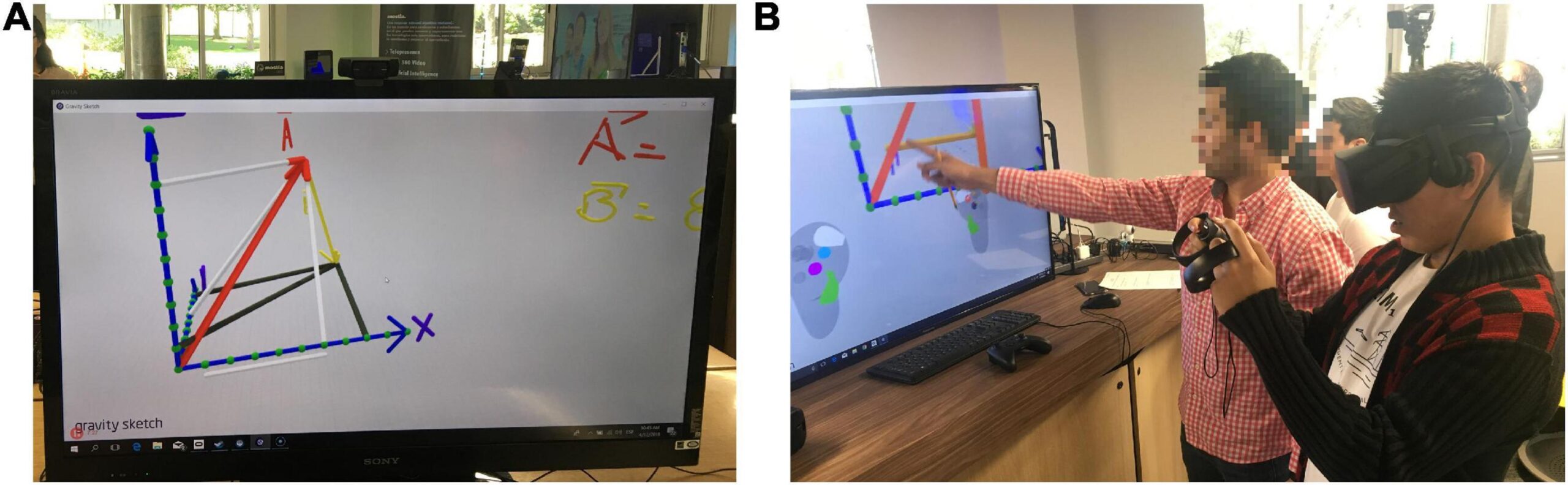
- Hands-On Experience: Allow teachers to experiment with VR/AR hardware and educational apps before classroom implementation.
- Curriculum Integration Techniques: Offer strategies for aligning VR/AR activities with learning objectives and standards.
- Ongoing Support and Resources: Provide continued access to tutorials,communities,and troubleshooting help.
- Assessment and Reflection: Incorporate feedback and opportunities to reflect on VR/AR lesson effectiveness.
Step-by-Step Guide: How to Train Teachers to Use VR/AR Tools
-
Assess Training Needs
- Conduct surveys or interviews to gauge teachers’ familiarity with VR/AR.
- Identify subject areas and grade levels where immersive technology can have the greatest impact.
-
Choose the right VR/AR Tools
- Opt for user-kind platforms (e.g., ClassVR, Google Expeditions, merge EDU) with robust support for educators.
-
Develop a Structured Training Program
- Combine onsite workshops, webinars, and self-paced online modules for flexible learning.
- include both technical setup and classroom management with VR/AR.
-
Facilitate Hands-On Practice Sessions
- Encourage teachers to use headsets, tablets, and mobile devices to explore immersive lessons.
- Offer mock teaching sessions to build comfort and creativity before student interaction.
-
Showcase Real-world Classroom Applications
- Demonstrate prosperous use-cases in various subjects (science, history, language arts, etc.).
- Invite experienced teachers to share their experiences and lesson plans.
-
Provide Resources and Ongoing Support
- Create a repository of lesson templates, troubleshooting guides, and video tutorials.
- Establish peer support groups for collaborative lesson planning.
-
Evaluate and Iterate
- Solicit feedback from teachers to improve future training sessions.
- Track technology adoption and student learning outcomes for continuous betterment.
Best Practices for VR/AR Teacher Training
- Start small: Begin with a pilot group of eager teachers who can become mentors to others.
- Encourage Collaboration: Foster a culture of sharing best practices and challenges.
- Focus on Pedagogy: Emphasize effective teaching strategies over gadget obsession.
- Integrate with Existing Systems: Seamlessly incorporate VR/AR into current curriculum and school platforms.
- Address Accessibility: Choose tools and content that support diverse learners, including those with special needs.
- Celebrate Success: Highlight teachers’ achievements through school newsletters, assemblies, or award programs.
VR/AR in Action: Case Studies and Real-World Examples
case Study 1: Middle School Science Exploration
at Maple Grove Middle School, teachers leveraged VR field trips to transport students inside the human body and to historic sites around the world. After attending weekly hands-on after-school training, science teachers integrated VR seamlessly into their cell biology unit. As a result, students demonstrated a 30% increase in retention rates on end-of-unit assessments.
Case Study 2: Language Arts Enrichment with AR
Franklin Elementary launched an AR storytelling project where students used AR apps to bring their creative stories to life with 3D visuals. Teachers credited their comfort with AR tools to focused training sessions and ongoing peer collaboration. The project led to a remarkable improvement in both student participation and narrative skills.
Common Challenges and How to Overcome Them
Implementing VR/AR teacher training is not without obstacles. Here are the most common hurdles and actionable solutions:
| Challenge | Solution |
|---|---|
| Lack of Time for Training | Offer microlearning modules, flexible schedules, and integrate VR/AR PD into existing meetings. |
| Technology Hesitancy | Provide a safe, supportive environment for exploration; reward experimentation over perfection. |
| Limited Access to Devices | Create mobile VR/AR carts; schedule classroom rotations; pursue grants for resources. |
| Technical Difficulties | Maintain up-to-date guides, FAQs, and appoint a VR/AR “tech champion” in each grade or department. |
First-Hand Experience: Quotes from Educators
“Thanks to structured VR/AR training, introducing these technologies in my lessons went from intimidating to inspiring.My students are more engaged, and I’m more confident creating immersive experiences.”
— Ms. Rachel Turner, 5th Grade Teacher
“the collaborative approach to training—learning alongside colleagues and sharing our discoveries—was the key to our school’s quick adoption of VR in science labs.”
— Mr.steven Wu, Middle School Science Teacher
Conclusion: Empower Teachers to Unlock the Future of Learning
Investing in comprehensive VR/AR teacher training is crucial for schools seeking to foster curiosity, engagement, and 21st-century learning. By following a structured approach—assessing needs, delivering hands-on practice, offering ongoing support, and celebrating success—administrators and instructional leaders can ensure every teacher has the confidence and skills needed to transform classrooms with immersive technology. Start planning your VR/AR professional development program today, and empower your educators to lead the way into the future of education.
Ready to take the next step? Explore leading VR/AR tools for education, connect with others who are innovating in this space, and begin the journey toward a more immersive, engaging classroom experience.