
How to Implement Blockchain in Educational Institutions: A Guide to Transforming Academic Systems
In the digital era, educational institutions are exploring innovative technologies to enhance academic integrity, improve record-keeping, and foster collaboration.
Implementing blockchain technology in education has emerged as a game-changer, revolutionizing the way credentials are managed, transcripts are verified, and student data is secured. This comprehensive guide explores how to implement blockchain in educational institutions, highlights the key benefits, and offers practical steps for a successful transition. Whether you’re an administrator, educator, or IT professional, this article provides actionable insights to help you transform academic systems with blockchain.
What is Blockchain and Why Does It Matter to Education?
Blockchain is a distributed ledger technology that allows data to be stored securely, transparently, and immutably across a decentralized network. In the context of educational institutions, it can be used for:
- Issuing digital credentials and diplomas
- Streamlining student admissions and records management
- Ensuring data integrity and reducing fraud
- Facilitating credit transfers and global recognition of qualifications
As schools and universities grapple with increasing demands for transparency and efficiency, blockchain in academic systems offers a robust solution to tackle these challenges head-on.
Benefits of Blockchain in Educational Institutions
- Enhanced Security: Blockchain’s cryptographic nature prevents unauthorized data access and tampering,protecting sensitive student details.
- Improved Transparency: A decentralized ledger provides all parties with real-time access to academic records, fostering trust between institutions, employers, and students.
- Effortless Verification: Digital diplomas and certificates can be instantly verified,drastically reducing credential fraud and streamlining recruitment processes.
- Operational Efficiency: Automating administrative processes, such as transcript issuance and degree verification, reduces time and operational costs.
- Empowered Learners: Students gain control over their academic records, allowing them to share their achievements easily and securely with prospective employers or other educational institutions.
Step-by-Step Guide: How to Implement Blockchain in Educational Institutions
1. Assess your Institution’s Readiness
- conduct a technology audit to evaluate current systems and infrastructure.
- Identify areas where blockchain can add value – e.g., credential management, admissions, alumni engagement.
- Engage stakeholders from IT, administration, faculty, and legal departments early in the process.
2. Define Your Objectives and Use Cases
- Set clear, measurable goals for your blockchain implementation (e.g., “issue all diplomas digitally by 2025”).
- Prioritize use cases such as issuing blockchain-based certificates, managing student records, or facilitating online learning and assessments.
- Benchmark against successful pilots or case studies in academia.
3. Choose the Right Blockchain Solution
- Decide between public, private, or consortium blockchain networks based on your security and scalability needs.
- Explore popular education-centric blockchain platforms such as Blockcerts, Sony Global Education, and others.
- Assess integration capabilities with your existing student information systems and learning management platforms like Moodle or WordPress.
4. Develop a Proof of Concept (PoC)
- Start with a small-scale pilot to demonstrate value and address potential obstacles.
- Involve a dedicated project team comprising IT, academic staff, and external blockchain consultants.
- Gather feedback from users and iterate to refine the solution.
5. Ensure Legal and Regulatory Compliance
- Consult with legal experts to ensure your blockchain solution meets GDPR, FERPA, and other data privacy regulations.
- Draft policies for data ownership, access controls, and consent management.
- Stay up to date with emerging standards in blockchain for education.
6. Integrate and Scale
- Seamlessly integrate blockchain applications with your institution’s existing IT ecosystem.
- scale the solution across departments and, eventually, across campuses or consortiums.
- Invest in staff training and ongoing technical support for a smooth transition.
Best Practices for a Successful Blockchain Implementation
- Adopt an Incremental Approach: Begin with one process or department before rolling it out institution-wide.
- Prioritize Interoperability: Choose platforms that support open standards for seamless exchange with other institutions.
- Foster Collaboration: Engage in partnerships with other schools or universities for consortium blockchains,maximizing cost-effectiveness.
- promote Transparency: clearly communicate project goals, timelines, and potential impacts to all stakeholders.
- Build Digital Literacy: Educate administrators, faculty, and students about blockchain’s potential and the changes ahead.
Real-World Case Studies: Blockchain in Action
MIT’s Digital Diplomas with Blockcerts
The Massachusetts Institute of Technology (MIT) was one of the first major educational institutions to issue blockchain-based digital diplomas using the Blockcerts platform. Graduates can share verifiable credentials with employers or other universities, simplifying the authentication process and reducing fraud.
University of Nicosia: Blockchain Courses and Credentials
The University of Nicosia in cyprus not only offers blockchain courses but also uses the technology to issue tamper-proof academic certificates. This demonstrates both an educational and practical integration of blockchain in academia.
National University of Science and Technology (NUST), Pakistan
NUST partnered with blockchain technology firms to digitize and secure student records and transcripts, bringing greater efficiency and trust to their administrative processes.
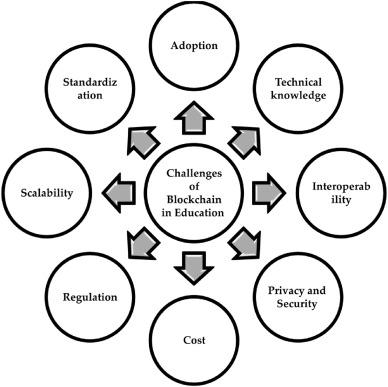
Potential Challenges and How to Overcome Them
- Technical Complexity: invest in staff training and collaborate with blockchain experts to bridge the skill gap.
- resistance to Change: Address skepticism with continual education and by showcasing pilot successes.
- Regulatory Hurdles: Work closely with policy makers and legal advisors to ensure compliance with data protection laws.
- Initial Investment: Start small, leverage open-source solutions, and seek grants or partnerships to offset costs.
- Interoperability Issues: Choose blockchain platforms compliant with global standards to ensure smooth integrations.
practical Tips for Educational Leaders
- Seek stakeholder buy-in from the earliest stages to foster a culture of innovation.
- Leverage established blockchain frameworks (like Blockcerts) for quicker deployment.
- Implement continuous feedback mechanisms to refine blockchain applications based on user experience.
- Promote blockchain literacy among administrators, educators, and students by organizing workshops and seminars.
- Consider starting with blockchain-based micro-credentials to showcase immediate value.
Conclusion: The Future of Blockchain in Education
As blockchain technology matures, its adoption in educational settings is poised to accelerate, ushering in greater transparency, efficiency, and security across academic systems. By following a strategic, phased approach and learning from pioneers around the globe, educational institutions can reap the rewards of blockchain—empowering students, streamlining administration, and building trust among all stakeholders. Now is the time to start your own journey toward blockchain-powered education and unlock a new era of academic conversion.
Ready to implement blockchain in your educational institution? Begin today by evaluating your current processes and exploring how this transformative technology can shape the future of education!