
How to Implement Blockchain in Educational Institutions: Benefits,Challenges,and best Practices
The rapid evolution of digital technology has introduced powerful solutions to manny sectors—and education is no exception. Recently, blockchain technology has emerged as a game-changer for educational institutions seeking transparency, security, and efficiency. but what exactly does blockchain bring to the table,and how can schools and universities leverage it to their advantage? In this complete guide,we explore how to implement blockchain in educational institutions,highlighting its benefits,challenges,best practices,and real-life success stories.
What is Blockchain, and why Does It Matter in Education?
Blockchain is a distributed ledger technology that records transactions across multiple computers to ensure transparency and security. in the context of educational institutions, blockchain can be utilized to manage student records, verify academic credentials, enable secure digital certificates, and streamline administrative processes.
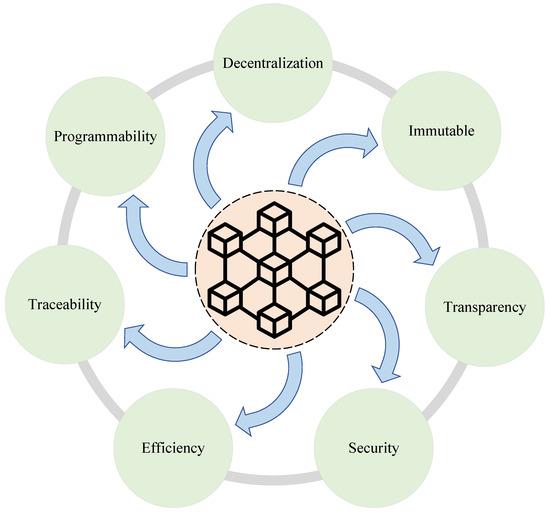
- immutability: Once data is written to a blockchain, it cannot be altered, ensuring authenticity of student records and certificates.
- transparency: All stakeholders can view relevant information, reducing the risk of fraud and manipulation.
- automation: Smart contracts facilitate automatic execution of predefined actions, like degree awarding or payment receipts.
Benefits of Blockchain in Educational Institutions
Integrating blockchain in education offers numerous advantages,transforming both learning experiences and administrative systems:
1. Enhanced Data Security and Privacy
- Secure Record-keeping: Student records, transcripts, and diplomas are securely stored, reducing the risk of data breach or forgery.
- decentralized Access: Onyl authorized users can access specific data, respecting privacy regulations like GDPR.
2. Streamlined Verification Processes
- Instant credential Verification: Employers and academic institutions can verify degrees and transcripts with a single click, saving time and preventing fraud.
3. Cost Savings
- Lower Administrative Costs: Automation of manual processes (like certificate issuance) saves both time and money.
4. Improved Student Control
- Ownership of Credentials: Learners have direct access to their authenticated certificates and can share them as needed.
Key Challenges of Implementing Blockchain in Educational Institutions
Despite its potential, blockchain implementation comes with notable challenges:
- Technical Complexity: Blockchain systems require advanced IT infrastructure and skilled personnel, which may be lacking in some institutions.
- High Initial Investment: The cost of system setup and integration can be significant.
- Regulatory Uncertainties: Varying compliance and privacy laws can complicate blockchain adoption,especially for cross-border data sharing.
- Scalability Concerns: As the number of transactions increases, some blockchain platforms may face scalability issues.
- Change Management: Shifting towards blockchain requires a cultural shift and training for staff, faculty, and students.
How to Implement Blockchain in Educational Institutions: Step-by-Step Guide
Wondering how to make blockchain a reality in your school or university? Hear’s a practical roadmap:
- Conduct a Needs Assessment: Identify which processes (e.g., credentialing, attendance, tuition payments) would most benefit from blockchain integration.
- Engage Stakeholders: Involve IT staff, administrators, faculty, students, and regulatory authorities early in the process to address concerns and ensure buy-in.
- Select the Right Blockchain Platform: Choose a suitable blockchain framework (such as Ethereum, Hyperledger, or Corda) based on your specific requirements—public, private, or consortium blockchain.
- Develop Use Cases and pilot Projects: Start with small-scale pilots, such as digital certificate issuance or transcript management, to test feasibility and gather feedback.
- Integrate with Existing Systems: Ensure smooth interoperability between blockchain solutions and your existing Student Information Systems (SIS) or Learning Management Systems (LMS).
- ensure Data Privacy and Compliance: Align blockchain implementation with data protection laws (like GDPR or FERPA), and incorporate privacy-preserving mechanisms.
- Train Staff and Students: Offer hands-on training sessions and comprehensive guides to help users navigate the new system.
- monitor, Evaluate, and Scale Up: Collect data, analyze the results, and gradually expand blockchain usage across more processes and departments.
Best Practices for Successful Blockchain Integration in education
- Adopt a Phased approach: Begin with smaller applications and scale based on insights and stakeholder feedback.
- Focus on Interoperability: Ensure the blockchain system can communicate with othre digital platforms to avoid data silos.
- prioritize User Experience: Design user-friendly interfaces for both administrators and learners.
- Collaborate with Industry Leaders: Partner with technology providers and blockchain consortia for strategic guidance.
- Stay Informed: Keep up to date with regulatory changes and advances in blockchain standards.
Case Studies: Blockchain Success in Education
MIT Digital Diplomas
The Massachusetts Institute of Technology (MIT) pioneered blockchain-based diplomas, allowing graduates to receive verifiable, tamper-proof digital certificates. This initiative substantially simplified diploma sharing and verification for employers globally.
Holberton School
The Holberton School, a software engineering institution, uses blockchain to issue and verify academic credentials, streamlining recruitment for graduates and ensuring authenticity for hiring managers.
University of Nicosia
Based in Cyprus, the University of Nicosia became one of the first universities worldwide to issue blockchain-based certificates, demonstrating the potential for global adoption in higher education.
First-Hand Experience: Insights from an Early Adopter
“Implementing blockchain at our university helped us not only secure student transcripts but also made the process of sharing credentials seamless and instantaneous. It required a learning curve for our team, but the outcome has been overwhelmingly positive—students and employers are both happier with the transparency and efficiency.”
— Dean of Technology, Leading european University
conclusion: The future of Blockchain in Education
As educational institutions increasingly embrace digital transformation, blockchain in education stands out as a secure, transparent, and efficient solution for managing academic records and credentials. While challenges exist—including technical barriers and regulatory hurdles—the benefits far outweigh the obstacles for many institutions. By following best practices and learning from early adopters, schools and universities can unlock the true potential of blockchain technology for education, preparing students for the demands of a digital future.
Ready to embark on your blockchain journey? Whether you’re a university administrator, educator, or technology partner, now is the time to explore blockchain implementation in education and shape a more secure, transparent, and student-centric academic environment.