
How to Implement Blockchain in Educational Institutions: Benefits, Challenges, and Practical Steps
As the digital transformation of education accelerates, blockchain technology is emerging as a revolutionary tool for educational institutions worldwide. From enhancing data security to simplifying the credential verification process, blockchain is set to redefine how schools, colleges, and universities manage records, accreditations, and student outcomes. In this comprehensive guide, we’ll explore how to implement blockchain in educational institutions, the benefits it brings, the challenges to anticipate, and the practical steps for a successful rollout. Whether you’re an administrator, an edtech entrepreneur, or an educator, this article provides valuable, actionable insights to help you harness the power of blockchain in the education sector.
What is Blockchain and Why Does It Matter in Education?
Blockchain is a decentralized digital ledger that securely records transactions and data across multiple computers. Every record, or ‘block’, is linked to previous entries, forming a tamper-proof ‘chain’. In the field of education, this technology can:
- Enable secure and transparent record-keeping
- Facilitate digital credentialing and certification
- Empower students with control over their educational data
- Enhance cross-border student mobility and trust in academic records
Key Benefits of Blockchain in Educational Institutions
Implementing blockchain in educational institutions brings transformative advantages. Let’s look at the main benefits:
1. Unparalleled data Security and Integrity
- Blockchain’s decentralized structure eliminates single points of failure, making academic records virtually immune to tampering or unauthorized changes.
- All data is cryptographically secured, ensuring privacy and authenticity.
2. Streamlined Credentialing and Certification
- Allows institutions to issue verifiable digital diplomas and certificates that employers or other schools can instantly authenticate.
- Reduces the risk of credential fraud and administrative errors.
3. Student Empowerment and Portability
- Students get ownership of their academic achievements,which can be showcased in digital portfolios or shared with stakeholders.
- Simplifies international admissions and transfers by providing trustworthy, cross-border verified records.
4.Administrative Efficiency
- Eliminates paperwork and reduces costs associated with manual verification or certification issuance.
- Automates workflows using smart contracts for tasks like certificate generation and transcript validation.
Challenges of Implementing Blockchain in Education
While blockchain offers notable opportunities,educational institutions should be mindful of potential barriers:
1. Technological Complexity
- Integrating blockchain with legacy systems can be technically challenging and resource-intensive.
- Lack of in-house technical expertise might hinder smooth adoption.
2. Regulatory and Privacy Concerns
- Storing student data on a public blockchain could conflict with data protection laws like GDPR or FERPA.
- Choosing the right balance between transparency and privacy is crucial.
3. Scalability and Infrastructure
- Blockchain networks need to be scalable to handle thousands of academic records efficiently.
- Infrastructure costs and ongoing maintenance may pose challenges for smaller institutions.
4.Change Management
- Faculty, students, and administrators may resist new processes due to lack of familiarity or training.
- Widespread adoption requires continuous stakeholder engagement and education.
Practical Steps to Implement Blockchain in Educational Institutions
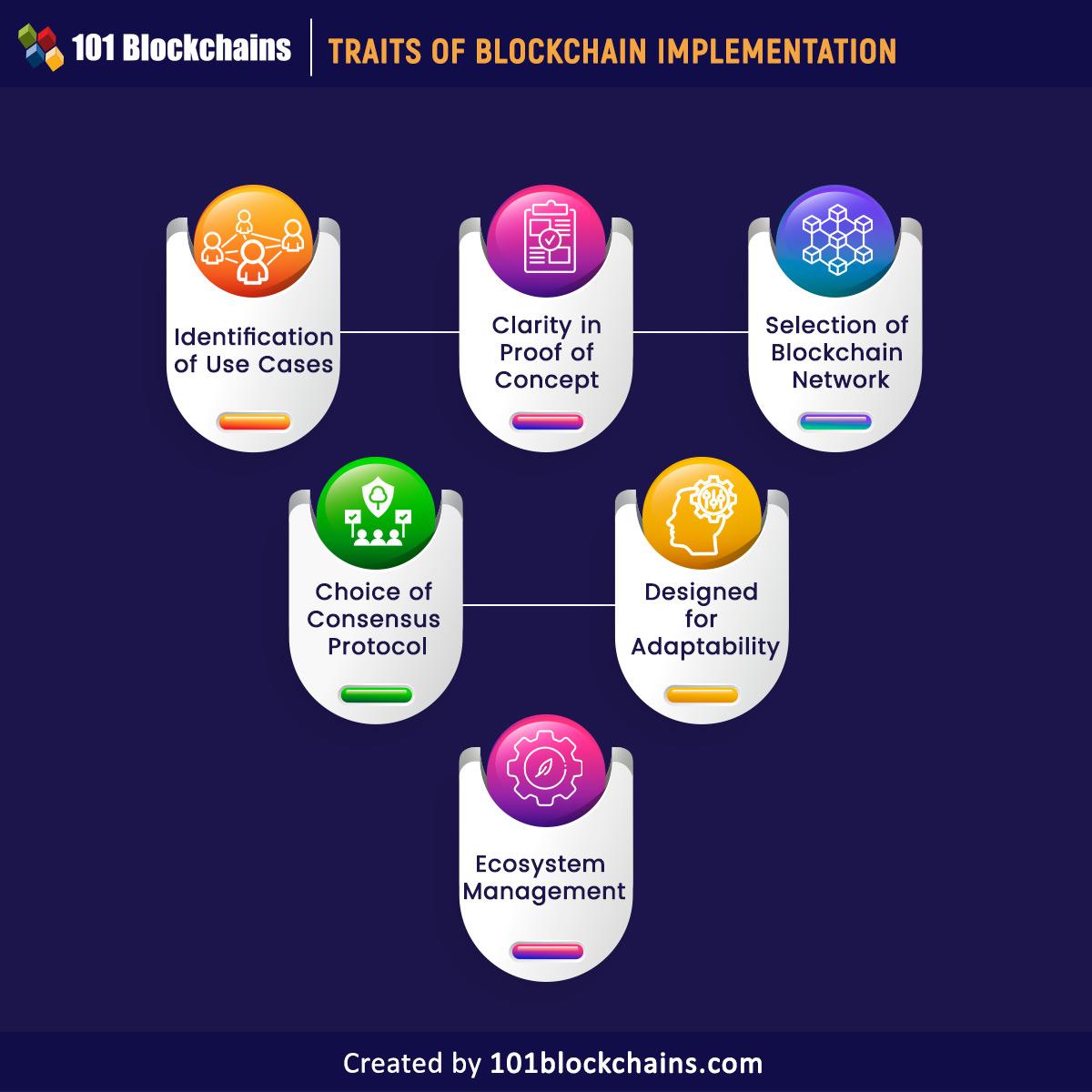
Implementing blockchain doesn’t happen overnight. Here are practical, step-by-step recommendations for educational leaders and IT departments:
-
Conduct a Needs Assessment
- Identify specific pain points (e.g., diploma forgery, lengthy verification) where blockchain could add value.
- Consult stakeholders like students, faculty, and employers to align implementation with real-world needs.
-
Choose the Right Blockchain Solution
- Evaluate blockchain types: public (anyone can join), private (access restricted), or consortium (shared by multiple institutions).
- Consider existing platforms designed for education, such as Blockcerts, Evidentia, and Learning Machine.
-
Develop a Pilot Project
- Start with a small-scale initiative—like issuing digital certificates for a specific course or year group.
- Establish clear KPIs to measure success (e.g., processing time, user satisfaction).
-
Integrate with Existing Systems
- Ensure interoperability with Learning Management Systems (LMS), SIS, and HR databases.
- Leverage APIs and middleware for smooth data exchange.
-
Address Privacy and Compliance
- Involve legal and compliance teams to ensure adherence to data privacy laws.
- Apply encryption and anonymization techniques where necessary.
-
Train Staff and Engage Stakeholders
- Offer workshops and training for faculty and students to foster acceptance and digital literacy.
- Gather feedback continuously and refine processes based on user input.
-
Scale and Monitor
- Roll out the blockchain solution more broadly once the pilot meets its objectives.
- Continuously monitor performance, security, and user satisfaction.
Case Studies: Blockchain in Education
Several leading educational institutions are already reaping the benefits of blockchain:
- MIT Digital diplomas: The Massachusetts Institute of Technology issues blockchain-based digital diplomas, enabling graduates to share verifiable credentials with employers instantly.
- University of Nicosia: This Cypriot university uses blockchain to manage degrees and certificates, supporting transparency and global recognition.
- Sony Global Education & IBM: Their partnership developed a platform for sharing and verifying academic records across institutions, aiming to create a global standard for academic data.
Best Practices and Practical Tips for Blockchain Adoption
- Start small and Iterate: Begin with manageable pilot projects and expand based on feedback and lessons learned.
- Prioritize User Experience: Ensure the system is intuitive for both administrators and students to boost adoption rates.
- Maintain Regulatory Compliance: Stay updated on evolving data protection laws and standards relevant to education.
- Build Strategic Partnerships: Collaborate with edtech innovators, blockchain experts, and other institutions to share knowledge and resources.
- Focus on Interoperability: Select blockchain solutions that easily integrate with existing technology infrastructure.
Conclusion: The Future of Blockchain in Education
Blockchain technology holds immense promise for educational institutions. From secure record-keeping to validating academic achievements and empowering students, its potential is vast. However, successful implementation requires careful planning, stakeholder buy-in, and continuous adaptation. By understanding the benefits of blockchain in education, anticipating challenges, and following proven practical steps, schools and universities can position themselves at the forefront of the digital learning revolution. Now is the time to explore how blockchain can bring efficiency, trust, and innovation to your institution’s educational journey.
Are you ready to unlock the power of blockchain in education? Start with a clear strategy, keep learning, and don’t hesitate to partner with experts who can guide your institution towards a secure, transparent, and future-proof academic ecosystem.