
How to Implement Blockchain in Educational institutions: Key benefits and Practical Steps
The digital transformation in education is gaining momentum, and one of the most promising game-changers is blockchain technology. As schools and universities worldwide look to improve security, openness, and efficiency, blockchain offers robust solutions for records management, credentialing, and academic collaboration. In this comprehensive guide, we’ll explore how to implement blockchain in educational institutions, highlight key benefits, review real-world examples, and provide practical steps for adoption. Whether you’re an administrator or an IT professional, this article offers actionable insights to help your institution get started with blockchain in education.
Table of Contents
- What is Blockchain in Education?
- Key Benefits of Blockchain in Educational Institutions
- Practical Steps to Implement Blockchain in Education
- Case Studies of Blockchain in Educational Institutions
- Challenges and Solutions When Using Blockchain in Education
- conclusion
What is Blockchain in Education?
Blockchain technology is a decentralized ledger system that enables secure, obvious, and tamper-proof record keeping. In the educational context, blockchain can transform how institutions manage student records, diplomas, credentials, intellectual property, and more. by offering verifiable and permanent records, blockchain reduces fraud, speeds up verification, and empowers students to control their own data.
- securing academic transcripts and diplomas
- Streamlining degree and credential verification
- Enabling transparent credit transfer between institutions
- Protecting copyright and intellectual property
- Enhancing administrative efficiency and reducing paperwork
Key Benefits of Blockchain in Educational Institutions
implementing blockchain in educational institutions delivers numerous advantages to students, staff, and administrators. Below are the most impactful benefits:
1. Tamper-Proof Academic Records
- Security: Academic certificates and transcripts stored on the blockchain cannot be forged or altered.
- Verification: Employers and other institutions can instantly verify credentials, reducing fraud.
2. Streamlined Processes and Reduced Costs
- Less paperwork: Digitized records and automatic processes minimize manual labor.
- Lower Verification Costs: Instant record checks lower administrative expenses.
3. Student Empowerment and Data Privacy
- Control: Students own and manage access to their records, increasing privacy and autonomy.
- Portability: Credentials are accessible anywhere, anytime, facilitating global mobility.
4. Transparent Credentialing
- Micro-credentials and Digital Badges: Institutions can issue and recognize smaller units of learning,fostering lifelong learning and employability.
5. Intellectual Property Protection
- Ownership Proof: Blockchain timestamps help to prove the authorship and ownership of academic work or research output.
6. Collaboration and Seamless Credit Transfer
- Inter-institutional Agreements: Blockchain’s transparency enables effortless sharing and acceptance of credits between different colleges or universities.
By leveraging these benefits, educational institutions can build reputation, increase efficiency, and better serve students and stakeholders.
Practical Steps to Implement Blockchain in Education
Introducing blockchain in educational institutions may seem daunting, but the following step-by-step approach can make the process manageable and effective:
-
Identify Use Cases and Objectives
- Determine which administrative or academic processes can benefit most, such as credentialing, attendance, or intellectual property management.
- Align blockchain adoption with institutional goals and compliance requirements.
-
establish a Multidisciplinary Implementation Team
- Include stakeholders from IT, administration, legal, and academic departments.
- Assign clear roles and responsibilities for project management, technology, and communications.
-
Choose the Right Blockchain Platform
-
Select between public, private, or consortium blockchain based on security and privacy needs. popular platforms for education include:
- Ethereum
- hyperledger Fabric
- Blockcerts
-
-
develop or Integrate Blockchain Applications
- Work with developers to create custom smart contracts for intended use cases (e.g., digital diplomas, credential validation).
- Integrate with existing Learning Management Systems (LMS) or Student Information Systems (SIS).
-
Implement Data privacy and Compliance Measures
- Ensure compliance with data regulations (e.g., GDPR, FERPA).
- Use permissioned access and encryption where necessary.
-
Pilot and Test the Solution
- Launch with a limited group (e.g., a single department or graduation class).
- Collect feedback and monitor for vulnerabilities or process improvements.
-
Train Staff and educate Users
- provide workshops and documentation to familiarize staff and students with the new blockchain-based system.
-
Scale and Optimize
- Gradually expand the blockchain system across more departments or programs based on pilot results.
- Continuously optimize processes and technology for improved performance.
Case Studies: Real-World Blockchain Implementation in Education
Several pioneering institutions have already implemented blockchain with notable success. Here are two case studies that highlight blockchain’s transformative impact on education:
MIT’s Digital Diplomas
- Massachusetts institute of Technology (MIT) launched the Blockcerts project to issue tamper-proof, digital diplomas to its graduates.
- Students received their diplomas via a mobile app, allowing instant verification and lifelong access.
- The project has inspired other universities globally to adopt similar blockchain diploma systems.
The University of Nicosia: blockchain for Academic Records
- This university in Cyprus was the first to issue academic certificates on the blockchain.
- Its blockchain credentialing system is open-source, supporting verification by any third party worldwide.
- as a result, the university has seen increased agility in processes and reduced credential fraud.
Other Notable Examples
- The Holberton School utilizes blockchain for skills badges and student achievements.
- The European Blockchain Services Infrastructure (EBSI) is working with universities across Europe to digitize and share educational credentials securely.
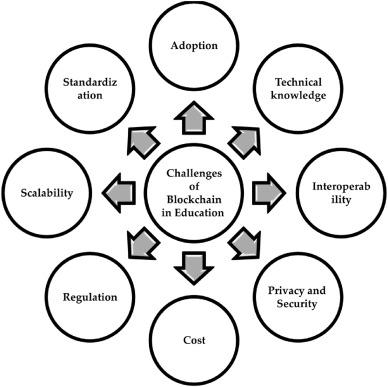
Challenges and Solutions When Adopting Blockchain in Education
Despite its numerous benefits, blockchain adoption in education also comes with challenges. Here’s how institutions can address them:
-
Integration Complexity:
Solution: Partner with experienced blockchain technology providers and ensure integration with existing platforms through APIs.
-
Regulatory Compliance:
Solution: Work closely with legal advisors to ensure systems adhere to data privacy and educational standards.
-
Lack of Technical Expertise:
Solution: Invest in staff training and knowledge sharing; consider hiring blockchain specialists or consultants.
-
User Adoption:
Solution: conduct comprehensive awareness programs, workshops, and pilot programs to ease the transition.
-
Cost Considerations:
Solution: Start with small-scale pilots; assess ROI before scaling up. Open-source solutions can minimize initial costs.
Conclusion: Future-Proofing Education with Blockchain
Blockchain has the potential to revolutionize educational institutions by creating secure, transparent, and student-centric ecosystems for records management and academic collaboration. By understanding the benefits and following the practical steps outlined above, schools and universities can successfully integrate blockchain technology into their operations, paving the way for enhanced trust, efficiency, and global recognition.
As blockchain adoption accelerates, now is the perfect time for educational leaders to explore, pilot, and implement this transformative technology in their institutions.