
How to Implement Blockchain in Educational Institutions: Steps,Benefits,and best Practices
blockchain technology is revolutionizing sectors across the globe,and the education industry is no exception. From enhancing clarity in credentialing to streamlining administrative tasks, integrating blockchain in educational institutions brings transformative potential.But how can schools, colleges, and universities adopt it effectively? This guide provides a step-by-step roadmap, key benefits, real-life examples, and actionable best practices for a successful blockchain implementation in education.
- Introduction
- What is Blockchain in Education?
- Steps to Implement Blockchain in Educational Institutions
- benefits of Blockchain for Educational Institutions
- Best Practices for Implementing Blockchain in Education
- Case Studies: Blockchain in Action in Education
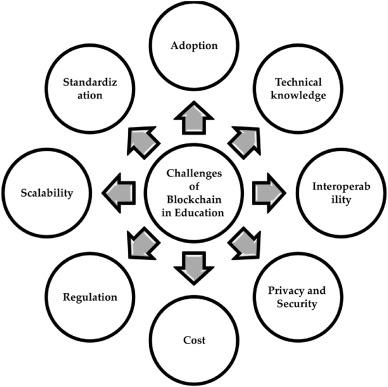
- Challenges and Considerations
- conclusion
Introduction
With rising concerns about academic credential fraud, inefficient administrative processes, and the need for secure data management, blockchain technology in education offers a compelling solution. By providing a decentralized, tamper-proof ledger, blockchain empowers educators and administrators to maintain the integrity of records and foster trust among students and employers. this in-depth article will equip you with essential knowledge to navigate blockchain adoption in your institution.
What is Blockchain in Education?
Blockchain is a digital ledger technology that records data in secure, interconnected blocks distributed across a network. Each transaction or data entry is time-stamped and immutable, ensuring maximum transparency and security. In the context of education, blockchain can be harnessed to:
- Store and verify student credentials and academic records.
- Automate administrative processes such as attendance and tuition payments.
- Facilitate collaboration between educational institutions worldwide.
In short, blockchain applications in education are redefining record-keeping, data sharing, and the overall student experience.
Steps to Implement blockchain in Educational Institutions
Implementing blockchain in your educational institution requires a strategic, phased approach. Here’s a extensive roadmap:
1. Assess Institutional Needs and Goals
- Identify pain points in current administrative workflows.
- Define clear objectives for blockchain use, such as credential verification, data security, or process automation.
- Engage stakeholders—faculty, IT staff, students, and administrators—for input.
2. Educate and Train Stakeholders
- Offer blockchain awareness workshops for staff and students.
- Set up training sessions for IT teams on specific blockchain platforms.
- Foster a culture of continuous learning about emerging blockchain trends in education.
3. Select the Right Blockchain Platform
- Consider options like Ethereum, Hyperledger, or Corda, tailored for educational needs.
- Evaluate open-source vs. commercial blockchain solutions for scalability and customization.
- Assess integration compatibility with existing IT infrastructure.
4. Develop a Pilot Project
- Start with a small-scale use case,such as managing digital diplomas on blockchain.
- Collaborate with blockchain developers to build and deploy the pilot.
- Monitor performance metrics, gather feedback, and refine processes.
5. Ensure Data Privacy and Compliance
- Comply with data privacy laws (e.g.,GDPR,FERPA).
- Implement robust security protocols—encryption, access controls, and identity verification.
- Plan for data sovereignty and secure off-chain data storage if necessary.
6. Scale and Integrate
- Expand pilot projects based on successful outcomes and feedback.
- Integrate with othre institutional systems like Learning Management Systems (LMS) and Student Data Systems (SIS).
- Foster partnerships with other schools or certification bodies for interoperability.
7. Continuous Monitoring and Improvement
- Regularly evaluate system performance and security.
- Stay updated on emerging blockchain trends and innovations in education technology.
- Solicit feedback from all user groups for iterative improvement.
Benefits of Blockchain for Educational Institutions
Integrating blockchain technology in educational institutions yields a wide range of benefits:
- Enhanced Security: Academic records and credentials are encrypted and immutable, significantly reducing fraud risks.
- Transparency: Every change is time-stamped,creating a transparent history of academic achievements and alterations.
- Efficiency: Automating record verification and transactions reduces manual intervention and operational costs.
- Portability: Students can access and share their verified records easily with employers and other institutions through digital wallets.
- Interoperability: Seamless collaboration and credit transfer between institutions are enabled by standardized blockchain protocols.
- Better Student Experience: Instant access to verified certificates and transcripts empowers students and alumni.
Best Practices for Implementing Blockchain in Education
For a successful blockchain adoption strategy, consider these practical best practices:
- start small, then scale: Use pilot projects to test concepts before rolling them out institution-wide.
- Engage the community: Involve students, faculty, and external stakeholders early for better buy-in and tailored solutions.
- Prioritize usability: Choose user-friendly platforms to encourage adoption among non-technical users.
- Embrace interoperability: Select solutions that integrate with existing academic management systems.
- Focus on long-term maintenance: Allocate resources for ongoing updates, cybersecurity, and technical support.
Case Studies: Blockchain in Action in Education
MIT and Digital Diplomas
The Massachusetts Institute of Technology (MIT) pioneered the issuance of blockchain-based digital diplomas through the Blockcerts platform. Over 2,000 graduates have received tamper-proof digital certificates, wich they can securely share with employers anywhere in the world.
University of Nicosia
The University of Nicosia in Cyprus issues academic records on blockchain, setting the standard for digital credentialing in higher education. The university even offers blockchain-focused courses,advancing both educational content and delivery technology.
singapore’s SkillsFuture Initiative
SkillsFuture leverages blockchain for lifelong learning. Students and working professionals can stack verified micro-credentials from different training providers onto a decentralized record, streamlining skills verification and enhancing employability.
Challenges and Considerations
While the benefits of blockchain in education are substantial, several challenges warrant attention:
- Integration Complexity: Existing legacy systems may not easily interface with modern blockchain solutions.
- Initial Costs and Technical Barriers: Upfront investment and a shortage of in-house blockchain expertise may hinder adoption.
- Regulatory Uncertainty: The legal landscape for using blockchain in education is still evolving in many regions.
- Scalability and Speed: Some public blockchains can experience bottlenecks under high load,impacting real-time access.
- Change Management: Resistance from stakeholders unfamiliar with blockchain can slow implementation efforts.
Mitigating these challenges requires strategic planning, broad stakeholder engagement, and ongoing professional development.
Conclusion
As blockchain technology continues to redefine educational processes, institutions that act now will gain a competitive advantage in securing data, enhancing transparency, and delivering superior experiences. By following a structured approach—analyzing needs, piloting projects, prioritizing training, and focusing on usability—schools and universities can seamlessly integrate blockchain into their digital conversion journey.
Ready to explore blockchain for your educational institution? Begin with targeted pilot projects, foster knowledge sharing, and stay updated on emerging blockchain trends in education to unlock new possibilities for students and staff alike.
frequently Asked Questions
- Q: Is blockchain secure for managing student data?
A: Yes.Blockchain leverages advanced cryptography and decentralized architecture to protect sensitive student records from unauthorized access and tampering.
- Q: What are the main blockchain use cases in education?
A: Credential verification, certificate issuance, digital identity management, attendance tracking, and academic publishing are some of the most impactful applications.
- Q: Does implementing blockchain require significant technical expertise?
A: While technical expertise is beneficial, many user-friendly and turnkey blockchain platforms are now available, making adoption accessible even for institutions with limited IT resources.