
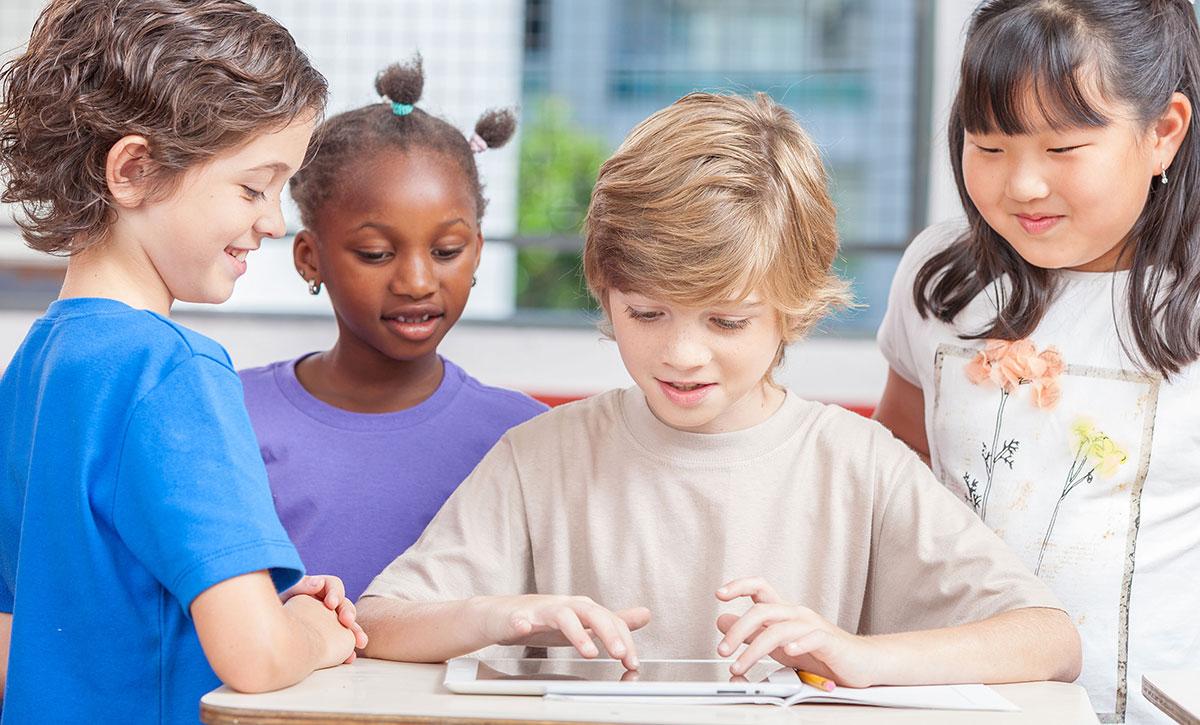
How to Integrate SEL into the Digital Classroom for enhanced Student Success
In today’s rapidly evolving educational landscape, integrating Social and Emotional Learning (SEL) into the digital classroom has become essential for supporting student achievement and wellbeing. As technology transforms the way we teach and learn, educators must leverage digital tools not only to deliver academic content but also to foster skills such as self-awareness, resilience, empathy, and responsible decision-making. In this comprehensive guide, we’ll explore proven strategies, practical tips, and real-world examples for weaving SEL into your virtual instruction, ensuring enhanced student success and a positive classroom culture.
What is Social and Emotional Learning (SEL)?
Social and Emotional Learning (SEL) refers to the process through which students acquire and apply knowledge, skills, and attitudes to develop healthy identities, manage emotions, achieve goals, show empathy, maintain relationships, and make responsible decisions. Renowned frameworks like CASEL define five core competencies of SEL:
- Self-awareness
- Self-management
- Social awareness
- Relationship skills
- Responsible decision-making
Embedding these competencies into your digital classroom can profoundly impact student engagement and holistic success.
Why Integrate SEL in the digital Classroom?
The shift to online and hybrid learning environments has created both opportunities and challenges for educators. Digital classrooms can sometimes lead to feelings of isolation, reduced interpersonal interactions, and increased anxiety among students.Integrating SEL helps address these issues by promoting a supportive, inclusive, and participative learning environment.
Key Benefits of SEL integration
- Improved Academic Performance: Students with strong SEL skills score higher on standardized tests and show better school attendance.
- Increased Student Engagement: SEL fosters a sense of belonging and motivation in the classroom.
- better Classroom Behavior: Students develop self-regulation and positive social skills, reducing disruptive behavior.
- Enhanced Mental Health: SEL provides students with coping strategies to manage stress, anxiety, and conflict.
Practical Tips for Integrating SEL into Digital Learning
1. Use SEL-focused digital Tools
Several online platforms and apps are designed to support SEL in the digital classroom. Consider incorporating:
- Flipgrid for video sharing and personalized check-ins
- Kahoot! for interactive SEL quizzes
- Google Classroom for reflection journals and peer feedback
- Nearpod and Padlet for collaborative activities and social interaction
2.Start Every Class with an SEL Check-in
Begin each session with a short activity designed to gauge student emotions and set a positive tone. Examples include:
- Emoji polls to express feelings
- Mindful minute for deep breathing
- Fast gratitude sharing via chat or video
3.foster Connection Through Collaborative Projects
Group projects and peer-led activities encourage relationship-building. Use breakout rooms, shared documents, and multimedia presentations to promote teamwork and interaction, even in a virtual setting.
4.Encourage Self-Reflection and Growth Mindset
Assign regular reflection journals or video diaries where students track their personal goals and progress. Empower learners to view challenges as opportunities for growth.
5.Celebrate Achievements and Model Positive Behavior
Recognize milestones and demonstrate SEL competencies as an educator. Utilize digital badges, shout-outs during live sessions, or other incentives to motivate positive behavior and effort.
Case Studies: SEL in Action in Digital Classrooms
Case study 1: Middle School Online Learning
At a suburban middle school, teachers faced declining student participation during remote learning. By integrating SEL check-ins with tools like Padlet, peer feedback, and regular virtual meet-ups, the school observed a:
- 30% increase in student attendance
- Significant improvement in assignment submission rates
- positive shifts in classroom climate, with students reporting greater feelings of belonging
Case Study 2: Elementary Hybrid Classroom
An elementary school piloted SEL digital activities including daily emotion charts, interactive storytelling, and empathy-building games during remote lessons. Teachers noted:
- Fewer behavior incidents
- Enhanced cooperation among students
- Higher student satisfaction scores in end-of-year surveys
“Integrating SEL into our virtual lessons transformed how students connect, collaborate, and thrive—even when physically apart.”
– 5th Grade Teacher, California
Expert Insights & First-Hand Experiences
Manny educators affirm the value of SEL in the digital classroom. Dr.Linda Darling-Hammond, an education researcher, highlights:
“SEL, when integrated thoughtfully into online learning, accelerates academic growth and helps support students’ mental health and personal development.”
Teachers report that consistent SEL routines—from virtual circle time to self-assessment forms—lead to improved trust, engagement, and resilience in students.
Best Practices for Long-Term SEL Integration
- Embed SEL Across the Curriculum: Link SEL skills to academic content in subjects like language arts, science, and math.
- Professional Development: Invest in ongoing teacher training to stay current on SEL strategies and digital tools.
- Family and Community Involvement: Share SEL digital resources with families and involve parents in classroom SEL initiatives.
- Continuous Assessment: Monitor SEL competencies using surveys,self-assessments,and feedback forms to track progress and adapt practices.
Overcoming Common Challenges
- Digital Fatigue: Incorporate regular screen breaks and non-digital SEL activities when possible.
- Equity Issues: Ensure all students have access to devices and connectivity; provide offline resources as needed.
- Privacy Concerns: Protect student data when using third-party SEL tools.Choose platforms that respect data privacy and comply with school policies.
Conclusion: Empower Student Success Through SEL in the Digital Age
Integrating SEL into the digital classroom is not just an educational trend—it’s a transformative approach that empowers students to become resilient, engaged, and prosperous learners. by prioritizing social and emotional competencies alongside academics, educators can create a supportive and thriving virtual environment that fosters both personal and academic growth. Start implementing these strategies today to enhance your classroom’s sense of belonging,collaboration,and student success for years to come.
Ready to integrate SEL into your digital classroom? Explore more resources,connect with fellow educators,and make every lesson count—academically and emotionally!