
How to Integrate SEL into the Digital Classroom: Strategies for Online Social-Emotional Learning Success
Introduction: The Importance of SEL in Online Learning Environments
As education continues to evolve in the digital era, fostering student well-being is more critical than ever. Social-Emotional Learning (SEL) lays the foundation for academic achievement, positive behavior, and lifelong success.Though, transitioning SEL to a virtual surroundings presents unique challenges—and remarkable opportunities. In this guide, you’ll discover practical, research-backed strategies for effectively integrating SEL into your digital classroom.Whether you’re an educator, administrator, or parent, these insights will empower you to cultivate a supportive and thriving online learning community.
What is Social-Emotional Learning (SEL)?
Social-Emotional Learning (SEL) is the process through which students acquire and use the knowledge,attitudes,and skills necessary to understand and manage emotions,set positive goals,show empathy,maintain positive relationships,and make responsible decisions. The Collaborative for academic, Social, and Emotional Learning (CASEL) outlines five key competencies:
- Self-awareness
- Self-management
- Social awareness
- Relationship skills
- Responsible decision-making
These competencies are as vital in virtual classrooms as in traditional settings, supporting students in navigating online interactions and digital challenges.
Benefits of Integrating SEL into the Digital Classroom
Implementing SEL online delivers lasting advantages for students and educators alike. Here are some notable benefits:
- Improved Academic Performance: SEL supports cognitive development, leading to higher engagement and better learning outcomes.
- Positive Online Behavior: Encourages respectful digital communication and reduces incidents of cyberbullying.
- Increased Student Engagement: SEL creates a sense of belonging, motivating students to participate actively.
- Enhanced Well-Being: Helps students manage stress, build resilience, and develop coping strategies in a digital context.
- Better Classroom Climate: Fosters empathy, trust, and collaboration among students and teachers—even remotely.
Challenges of Implementing SEL in Digital Classrooms
While the benefits are clear, integrating SEL into online learning is not without obstacles:
- Digital Disconnection: Students may feel isolated or less connected in virtual environments.
- limited nonverbal cues: Teachers have fewer opportunities to read body language or emotional states.
- Diverse Home Environments: Students’ access to technology and privacy varies widely, affecting participation in SEL activities.
- Screen Fatigue: Extended screen time can reduce focus and engagement.
Recognizing these challenges is the first step toward finding creative, effective solutions for online SEL.
6 Effective Strategies for Successful Online Social-Emotional Learning
Ready to make your virtual classroom a hub for SEL? Here are proven strategies—and actionable steps—to help you embed social-emotional learning in your digital lesson plans.
1. Start Each Session with a Check-in
- Begin live sessions or online modules with speedy emotional check-ins using chat polls,emojis,or brief journaling prompts.
- Questions like “How are you feeling today?” promote self-awareness and allow teachers to gauge student well-being.
2. Foster Collaborative learning & Digital Citizenship
- Encourage teamwork via breakout rooms, group projects, or discussion forums.
- Teach digital citizenship by modeling respectful online communication and addressing netiquette.
3. Integrate Mindfulness & Emotional Regulation Activities
- Incorporate short mindfulness exercises, breathing activities, or guided visualizations at the start or end of class.
- Use apps or resources like Calm or Headspace for age-appropriate exercises.
4. Embed SEL into Core Curriculum
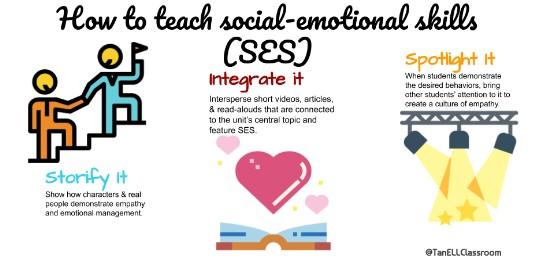
- Connect SEL skills with academic content; for example, discuss empathy during literature or decision-making in science projects.
- Use reflection questions and collaborative tools (google Docs, Padlet) to deepen SEL engagement.
5. Provide Consistent Feedback & Recognition
- Use virtual badges, shout-outs, or e-certificates to recognize not only academic achievements, but also positive social behaviors.
- Give timely, constructive feedback through private chat, emails, or recorded video messages to support self-management.
6. Build a Safe and Inclusive Online Environment
- Establish clear norms and expectations for online behavior from day one.
- Encourage student voice by allowing input in class rules and lesson topics.
- offer flexible communication channels for students who may feel uncomfortable speaking up in a group.
Practical Tips for Educators: Making SEL Work Online
Here are additional actionable tips for bringing Social-Emotional Learning to life in your digital classroom:
- Leverage Technology: Use interactive tools such as Kahoot!, Flip (formerly Flipgrid), and Seesaw to promote engagement and self-expression.
- Schedule “Camera-off” Reflection Breaks: Allow time for off-screen reflection or autonomous SEL activities, especially for students with screen fatigue.
- Model Vulnerability: Share your own feelings and coping strategies to build trust and normalize emotional expression.
- Partner with Families: Communicate regularly with caregivers, sharing simple SEL activities that can be reinforced at home.
- Embrace Cultural Responsiveness: Ensure SEL content is inclusive, sensitive, and celebrates student diversity.
Case Study: A Real-World Example of SEL Integration Online
Case Study: Mrs. Lopez’s Virtual Middle School Classroom
Facing challenges with student isolation and low participation, Mrs. Lopez implemented daily SEL check-ins using Google Forms, digital gratitude journals on Padlet, and weekly “circle time” via Zoom. She fostered a supportive peer network by assigning rotating group leaders and emphasized digital kindness in all online interactions.
Results: Students reported feeling more connected; attendance improved by 18%, and incidents of negative online behavior decreased noticeably. Mrs. Lopez’s strategies show how intentional SEL integration can transform the virtual classroom into a community.
First-Hand experience: Teacher Perspective on SEL Online
“The most rewarding aspect of integrating SEL into my online lessons has been watching students open up, support each othre, and develop true resilience. Sometimes all it takes is a five-minute check-in or a shared story to change a student’s entire day. SEL has given us all a sense of purpose—beyond the curriculum.”
—Ms. Avery, fifth Grade Teacher
Resources for Further Learning
- CASEL (Collaborative for Academic, Social, and Emotional Learning)
- Common Sense Education: Social-Emotional Learning
- Edutopia: SEL Resources
- Panorama Education: SEL Tools
Conclusion: Empowering Every Student for Success
Successfully integrating SEL into the digital classroom is essential for nurturing confident, compassionate, and engaged learners. By embracing innovative strategies, leveraging digital tools, and maintaining a supportive online atmosphere, educators can ensure that students not only succeed academically but also thrive emotionally and socially. SEL is not just an add-on—it’s the key to cultivating future-ready, well-balanced individuals in a rapidly changing world.
Start implementing these practical tips today and witness your digital classroom transform into a vibrant,inclusive community where every student finds success through Social-emotional Learning.