
How to Integrate SEL into Your Digital Classroom: Effective Strategies for Educators
Social Emotional Learning (SEL) is a vital component of modern education, helping students develop essential life skills such as empathy, self-awareness, and responsible decision-making. With the shift to online learning environments, integrating SEL into digital classrooms presents both unique challenges and exciting opportunities for educators. In this complete guide, we’ll explore effective strategies for integrating SEL into your digital classroom, uncover the benefits, and provide practical tips to empower you and your students.
What Is Social Emotional Learning (SEL)?
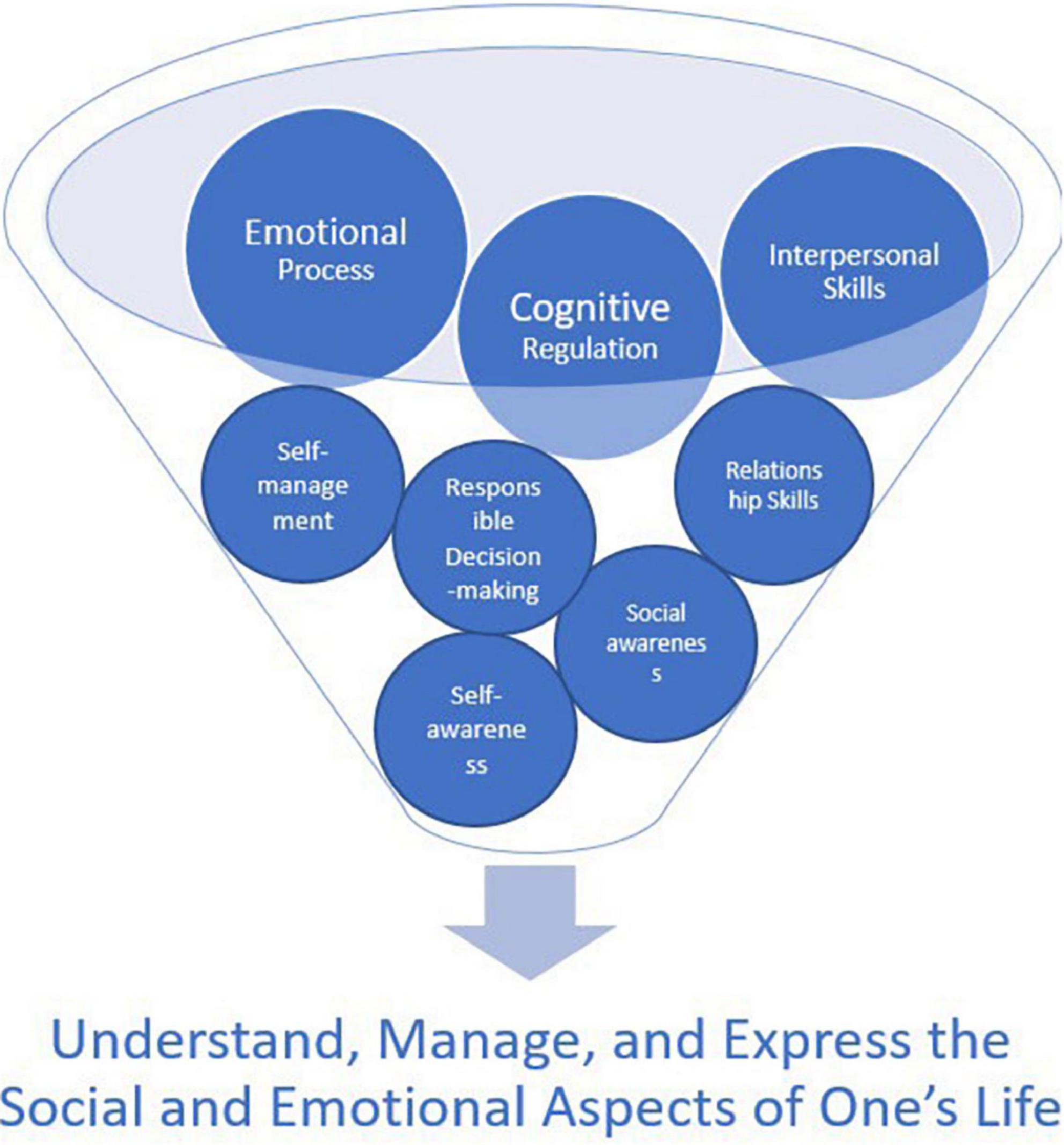
Social Emotional Learning (SEL) refers to the process through which students acquire and apply the knowledge, attitudes, and skills necessary to manage emotions, establish positive relationships, and make responsible decisions. In the context of a digital classroom, SEL becomes foundational for fostering connectivity, supporting mental health, and enabling academic achievement—even when students are learning from afar.
Why Is SEL Crucial in Digital Classrooms?
- Promotes Well-being: Remote learning can feel isolating. SEL helps students process their emotions and develop resilience.
- Enhances engagement: SEL encourages active participation, making students more invested in the learning process.
- Supports Academic Success: Research shows students with strong SEL skills perform better academically.
- Prepares for Life Challenges: SEL equips students with tools for coping with stress,collaborating with others,and navigating complex social situations.
Key strategies to Integrate SEL into Your Digital Classroom
Ready to make SEL a seamless part of your online teaching? Here are proven strategies to implement SEL in your digital classroom:
1. Establish a Safe and Inclusive Habitat
- Welcome Rituals: Start each session with a greeting or check-in activity. Tools like Flipgrid or Padlet can be used for students to share their mood or thoughts.
- Clear Expectations: Create and communicate digital norms, guidelines, and expectations to encourage respectful online interactions.
- Equity and access: Leverage accessible tools and materials so every student can participate, irrespective of their background or resources.
2. Incorporate SEL Into Lesson Plans
- Embed Reflection: Include regular journaling, exit tickets, or discussion forums where students can reflect on their emotions and experiences.
- Practice Empathy: Use collaborative projects or peer feedback sessions to build empathy and understanding.
- Mindfulness Moments: Integrate short mindfulness exercises, such as guided breathing or meditations, using platforms like Calm or YouTube.
3. Leverage Digital Tools for SEL engagement
- SEL apps and Platforms: utilize dedicated apps like ClassDojo, second Step, or ZUNI Learning tree to gamify SEL and track progress.
- Digital Breakout Rooms: Facilitate small group discussions in breakout rooms on platforms like Zoom or Microsoft Teams.
- Interactive Polls and Quizzes: Use Kahoot!, Google Forms, or Mentimeter to encourage self-awareness and perspective-sharing.
4. foster Student Voice and Agency
- choice Boards: Give students autonomy over their learning activities through digital choice boards.
- Student-Led Discussions: Organize opportunities for students to moderate forums, present topics, or give feedback.
- Goal Setting: Encourage students to set academic and personal goals, and track progress using online portfolios or learning management systems.
5. Provide Ongoing Feedback and Support
- Positive Reinforcement: Celebrate achievements publicly with shout-outs or digital badges.
- Timely Interventions: Monitor student engagement and well-being using analytics and reach out to those who need extra support.
- Regular Check-ins: Schedule one-on-one video calls or send personalized messages to connect and show you care.
case Studies: SEL Integration in Action
Case study 1: Enhancing Engagement Through Morning Meetings
A middle school teacher in California implemented virtual morning meetings using Google Meet. Each session began with a simple question—”How are you feeling today?”—followed by a group activity. Over time,students reported increased comfort in sharing feelings,and attendance improved by 20%.
Case Study 2: Building Empathy with Peer Feedback
At a high school in texas, peer editing and feedback through breakout rooms on Zoom fostered a supportive digital community.students felt more connected and reported better collaboration skills on end-of-year surveys.
Practical Tips for Bringing SEL into Your Digital Classroom
- Start Small: begin with easy SEL activities and scale up as you gain confidence.
- Be Consistent: SEL works best when activities are integrated regularly,not just occasionally.
- Involve families: Communicate SEL goals and activities to parents and caregivers to reinforce learning at home.
- Model SEL Skills: Demonstrate empathy,patience,and active listening in every virtual interaction with students.
- Adapt to Student Feedback: Ask students what SEL strategies resonate with them and adjust your approach accordingly.
first-Hand Experience: Educator Perspective
“As an educator who transitioned to remote teaching during the pandemic, integrating SEL into my digital classroom transformed the learning experience.Simple practices like daily check-ins, mindfulness moments, and peer-sharing elevated student engagement and made our virtual space feel safe and welcoming. Most importantly, students learned to advocate for their needs and support each other, which led to meaningful collaboration and personal growth.”
Benefits of SEL Integration in Online Learning
- Improved Communication: Students learn to express themselves clearly and listen actively, crucial skills in digital environments.
- Resilient Learners: SEL nurtures adaptability, helping students navigate online learning challenges.
- Stronger Relationships: Facilitates a sense of belonging and trust between teachers and students.
- Positive Classroom Climate: Reduction in behavioral issues and increase in positive interactions.
- Better Mental Health Outcomes: SEL provides tools for coping with stress, anxiety, and uncertainty ofen present in virtual learning settings.
How to Sustain SEL Practices in Your Digital Classroom
- Reflect Regularly: Incorporate reflective activities at the end of each week to assess SEL progress and areas for growth.
- Professional Development: Participate in webinars and training on SEL and digital pedagogy.
- Collaborate with Colleagues: Share resources and partner on SEL initiatives within your school or district.
- Continue Learning: Stay updated with online SEL communities, blogs, and research.
conclusion
Integrating SEL into your digital classroom is more than a trend—it’s a necessity for fostering healthy, engaged, and resilient learners. By embracing the effective strategies outlined above,educators can transform remote education into an empowering experience,supporting both academic achievement and holistic growth. Remember, small, consistent steps can make a notable impact. Begin your SEL journey today and build a digital classroom where every student thrives socially, emotionally, and intellectually.