
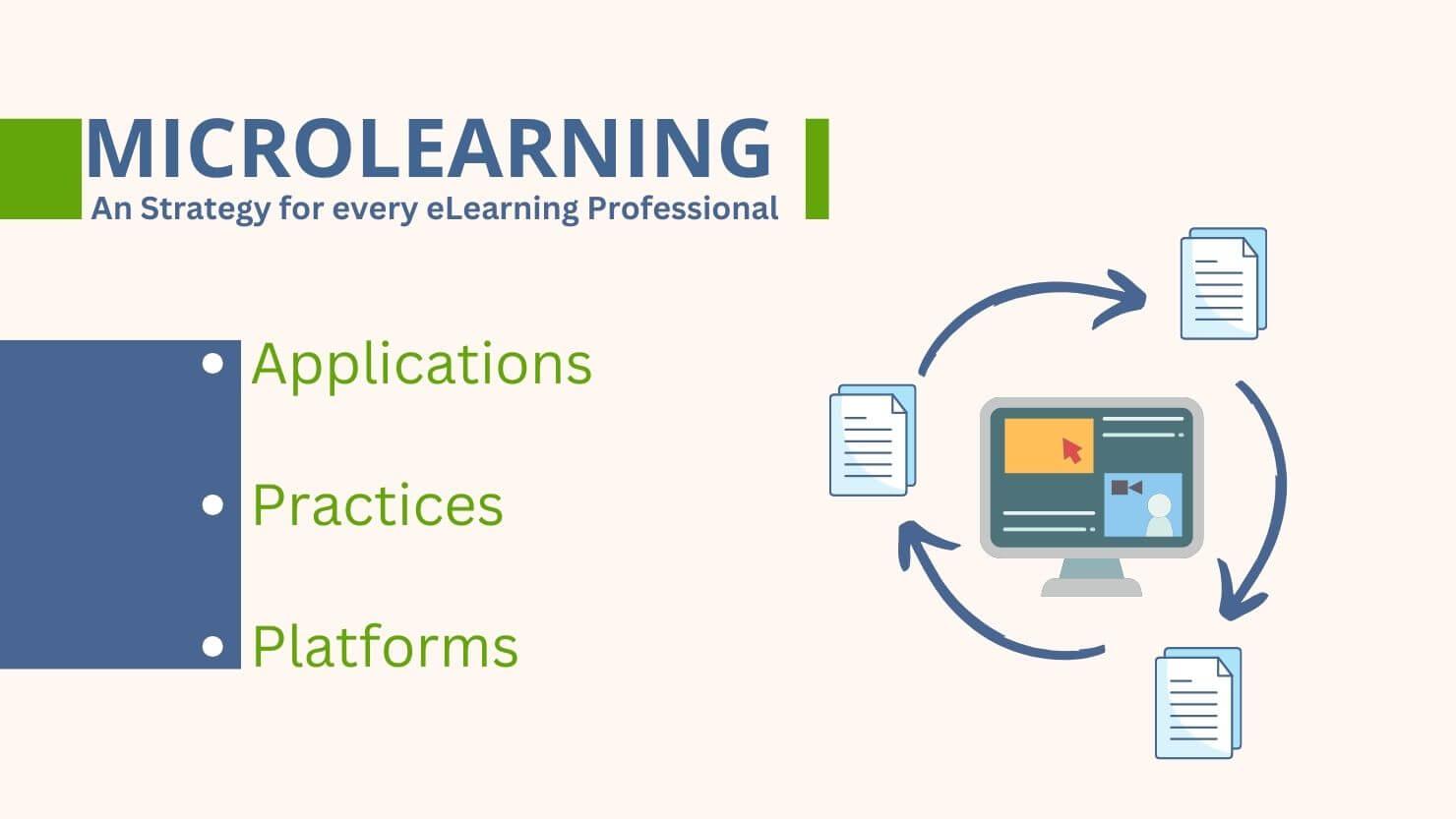
How to Measure the Impact of Bite-Sized Learning: strategies & Proven Results
Introduction: The Rise of Bite-Sized Learning
As digital transformation accelerates, bite-sized learning—also known as microlearning—has emerged as one of the most effective ways to train, upskill, and engage today’s workforce.These compact modules, usually lasting from a few seconds to ten minutes, promise adaptability, faster knowledge retention, and increased learner engagement. But how can organizations measure the true impact of bite-sized learning? In this extensive guide, we’ll explore the best strategies, proven results, and practical tips to help you assess and optimize your microlearning initiatives.
Why Measuring Bite-Sized Learning Matters
- Proof of ROI: Quantifying effectiveness helps justify investment in microlearning platforms.
- Continuous enhancement: Data-driven insights enable refinement of content and delivery methods.
- Tracking Skill Acquisition: Assessment ensures learners actually gain the intended knowledge and skills.
- Boosting Engagement: Measuring participation and feedback ensures learning modules remain relevant and fun.
Tracking the impact of microlearning is crucial for HR leaders, educators, and L&D professionals who want to maximize outcomes and foster a culture of lifelong learning.
Key Strategies to Measure Impact
1. Set Clear Objectives and KPIs
The foundation of any effective measurement plan starts with establishing clear learning objectives and Key Performance Indicators (KPIs). Define what success looks like: is it improved productivity,reduced error rates,or increased quiz scores?
- Completion rates of microlearning modules
- quiz scores and assessment results
- Post-training behavioral changes
- Buisness results (sales growth,reduced support tickets,etc.)
2. Use Data Analytics and Learning Management Systems (LMS)
modern Learning Management Systems offer robust reporting tools to monitor learner progress. Analytics can provide:
- Time spent on modules
- Frequency of access and repeat engagement
- drop-off rates and completion metrics
- Aggregate performance data for trends analysis
Integrating microlearning modules with your LMS ensures you capture actionable data to measure learner impact and optimize content delivery.
3. Gather Qualitative Feedback
While quantitative data is crucial,qualitative feedback provides deeper insights into learner experiences and challenges. Use:
- Surveys and questionnaires after each module
- Focus groups or interviews with learners
- Anonymous suggestion forms for candid input
4. Conduct Before-and-After Assessments
Assess knowledge or skill levels before and after delivering microlearning modules. Pre- and post-training quizzes are simple yet powerful tools to measure actual learning gains and retention.
5. Monitor Long-Term Outcomes
Implement follow-ups weeks or months after training to evaluate long-term retention and behavior change. Look for sustained performance improvement and transfer of learning to the job.
proven Results: What the Research Shows
Numerous studies support the effectiveness of bite-sized learning. Here are some proven results:
- Higher Retention: Research by the Journal of Applied Psychology found that learning in short bursts can boost retention by up to 80% compared to conventional methods.
- Increased Engagement: Learners are 50% more likely to complete microlearning modules than lengthy eLearning courses.
- Accelerated Skill Acquisition: Microlearning reduces “forgetting curve,” leading to faster mastery and application.
Benefits of Measuring Bite-Sized Learning Impact
- enhanced Personalization: Adapt content to individual needs based on performance data.
- Improved Engagement: Monitor and tweak delivery to maximize interaction.
- agility in Content Creation: Rapid feedback loop enables real-time content optimization.
- Scalable Learning: Easily assess and boost learning effectiveness for distributed teams.
Practical Tips for Measuring Microlearning Impact
- automate Reporting: Use built-in analytics features from your Learning Management System to streamline data collection.
- Segment Data: Compare results by department, location, or role for targeted improvements.
- integrate Social Learning: Factor in group quizzes, discussion boards, and collaborative projects.
- Combine Qualitative and Quantitative Measures: Blend numerical metrics with personal feedback for a well-rounded view.
- Track the transfer of Learning: Tie training outcomes to real-world performance through project completion or KPIs.
Case Studies: Bite-sized Learning in Action
Tech Company Onboards Employees Faster
A leading software company shifted their onboarding process to bite-sized modules. By tracking completion rates and conducting post-training interviews, they reduced onboarding time by 35% and increased early-stage productivity.
Retail Chain Boosts Sales Knowledge
Global retailer implemented microlearning quizzes for weekly product updates. Sales associates showed a 25% improvement in product knowledge as measured by in-store assessments and customer feedback.
Healthcare Provider Improves Compliance
Bite-sized compliance training modules helped a healthcare provider increase completion rates from 65% to 94% while decreasing the number of compliance-related incidents.
First-Hand Experiences: What Learners Say
— Sarah, Sales Manager
— mike, HR Specialist
Conclusion: Making Bite-Sized Learning Count
The impact of bite-sized learning is measurable, significant, and closely tied to business success. the key is to combine clear objectives, robust analytics, qualitative insights, and sustained monitoring to truly understand and maximize its value. With the right strategies,organizations can create engaging,effective microlearning experiences that foster continuous growth,drive performance,and empower learners to reach their full potential. Start measuring today and unlock the full power of bite-sized learning in your association.