
How to Measure the Impact of SEL Programs: Key Metrics and Effective Evaluation Strategies
Introduction
Social and Emotional Learning (SEL) programs have become an essential part of educational settings, offering a wide range of benefits—improved academic performance, better mental health, and stronger interpersonal relationships. Yet, the question remains: How can educators and administrators effectively measure the impact of SEL programs?
In this extensive guide, we’ll explore proven metrics, evaluation strategies, and practical tips to accurately assess the effectiveness of SEL initiatives.Whether you’re a teacher, school counselor, or program administrator, you’ll find actionable insights to ensure your SEL programs deliver meaningful outcomes.
Why Measuring SEL Impact Matters
- Accountability: Justify resource allocation by showing program value.
- Continuous Advancement: Identify what works and refine strategies based on data.
- Stakeholder Buy-in: Demonstrate to parents, teachers, and funders that SEL programs drive real changes.
- Student Outcomes: Enhance students’ emotional, social, and academic growth by targeting interventions where they’re needed most.
Key Metrics for Evaluating SEL Programs
To accurately measure the impact of your SEL program, focus on a combination of quantitative and qualitative data. Here are the most important SEL metrics to track:
1. Self-Assessment surveys
- Student Self-Reports: Use questionnaires to gauge students’ perceptions of their social-emotional skills, such as self-awareness, self-management, and responsible decision-making.
- Teacher Assessments: Teachers rate students’ social and emotional behaviors, offering valuable external perspectives.
- Validated Tools: Leverage standardized instruments like the Devereux Student strengths Assessment (DESSA) or the SCALES framework for reliable measurement.
2. Academic Performance Indicators
- grades and Test scores: Track academic improvements correlated to SEL participation.
- Attendance Rates: Monitor changes in student engagement and school attendance.
- On-task Behavior: observe classroom engagement and minimize distractions.
3. Behavioral Metrics
- Disciplinary Referrals: Count reductions in behavioral incidents and suspensions.
- Bullying Reports: Measure the frequency of bullying or conflict incidents after program implementation.
- Positive Behavior Instances: Log instances of pro-social behaviors like collaboration and empathy.
4. Climate and Culture Surveys
- School Climate Assessments: Gather feedback from students, staff, and parents about the school habitat.
- Sense of Belonging: Evaluate changes in students’ feelings of safety and connection within the school community.
5. Long-term Outcomes
- Graduation Rates: Track overall school completion over several years.
- Post-secondary Success: Monitor college enrollment, career paths, and persistence rates.
Effective Evaluation Strategies for SEL Programs
Measuring the impact of SEL programs requires a structured, multi-faceted approach. Here are some evaluation strategies that yield actionable insights:
1. Develop a Logic Model
- Map out program inputs, activities, outputs, and desired outcomes.
- Clarifies what success looks like and guides what to measure.
2. Collect Baseline Data
- Assess students’ SEL competencies before the program starts.
- Enables accurate pre- and post-program comparisons.
3. Use Mixed-Methods Evaluation
- Combine quantitative data (attendance, test scores) with qualitative insights (focus groups, interviews).
- Capture both the measurable outcomes and the stories behind those numbers.
4. Employ Control or Comparison Groups
- Compare SEL program participants to peers not in the program to evaluate relative gains.
- Controls for external factors influencing results.
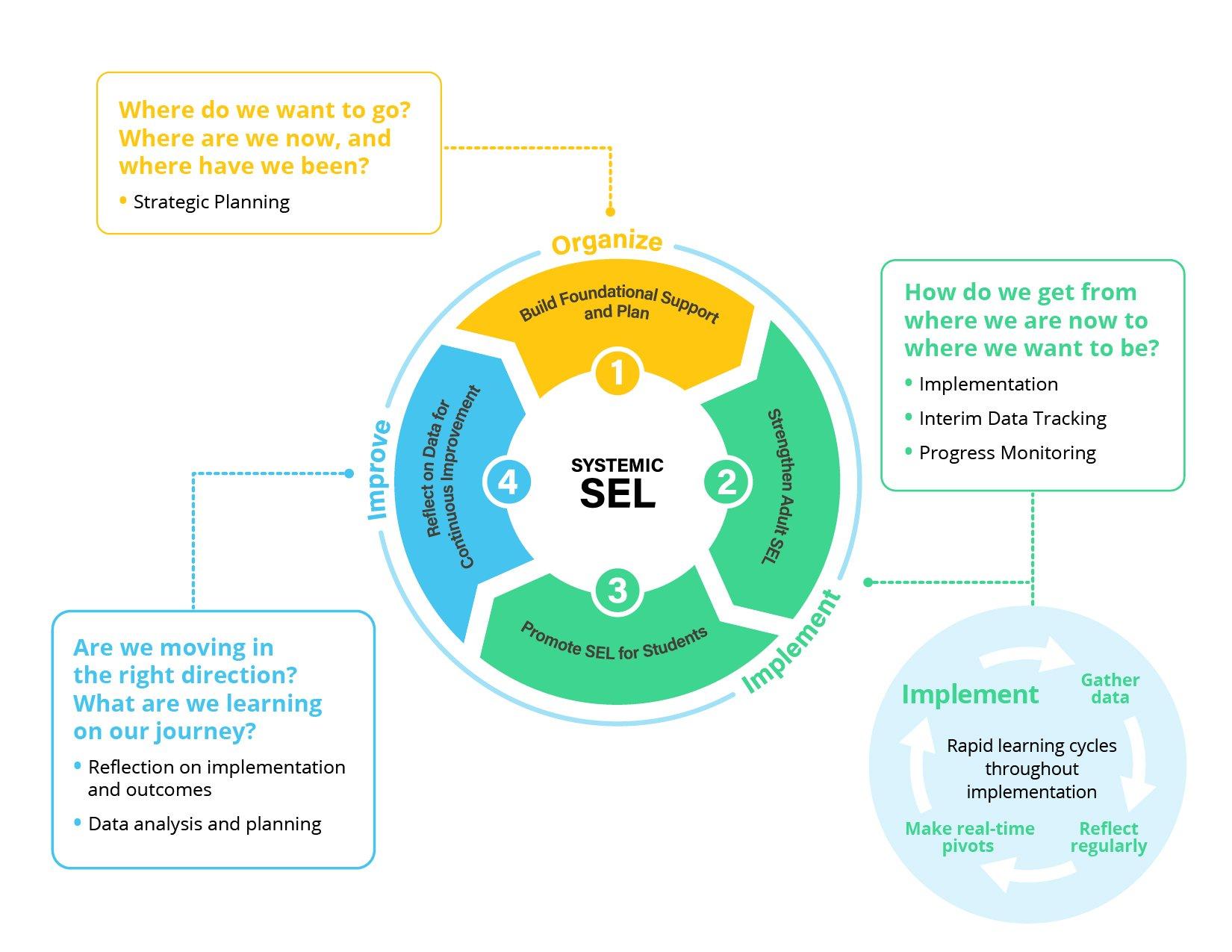
5. Ensure Ongoing monitoring
- gather data at multiple points throughout the year, not just at the end.
- Allows for real-time adjustments and progress tracking.
6. Engage Stakeholders
- Include input from students, teachers, families, and community partners in your evaluation process.
- Promotes shared ownership and deeper insights.
Benefits of Rigorous SEL Impact Evaluation
- Informs Instruction: Helps educators tailor SEL lessons based on students’ evolving needs.
- Demonstrates ROI: Makes the case for continued or increased investment in SEL programming.
- Boosts Student Confidence: Visible progress empowers students to embrace SEL skills.
- Fosters Schoolwide Improvement: Creates a culture of reflection and continuous improvement.
Practical Tips for Successful SEL Program Evaluation
- Set realistic, clear goals and outcomes at the outset.
- Use age-appropriate, culturally responsive assessment tools.
- Ensure confidentiality, especially with sensitive student data.
- Communicate findings transparently with stakeholders.
- Celebrate and share successes to build momentum and support.
Case Study: SEL Evaluation in Action
Lincoln Middle School implemented a year-long SEL curriculum focusing on self-awareness and relationship skills. Program leaders started with baseline surveys and academic data, than offered monthly check-ins. At year’s end, they found:
- Self-reported empathy increased by 30%.
- Suspensions dropped by 45%.
- Overall grades improved by nearly 12%.
feedback from students and teachers highlighted improved classroom climate, with students noting stronger peer relationships.The school presented these results to the school board, securing ongoing funding and expanding SEL initiatives for the next year.
Conclusion
Effectively measuring the impact of SEL programs is the key to unlocking their full potential. By focusing on robust metrics and employing strategic evaluation methods, educators and administrators can create a culture of continuous growth and positive change.Remember, successful SEL evaluation isn’t just about numbers—it’s about understanding the stories behind those numbers and using that knowledge to build stronger, more resilient school communities.
As you plan or refine your SEL initiatives, use the strategies and insights in this article to ensure measurable, lasting results. When SEL programs are evaluated thoughtfully, everyone benefits—especially the students whose lives are transformed by these essential skills.