
How to Measure the Impact of SEL Programs: Key Metrics and Effective Strategies
Social-Emotional Learning (SEL) programs are transforming classrooms, organizations, and communities. But how do you gauge the effectiveness of these interventions? Measuring the impact of SEL programs is crucial for ensuring that your efforts translate into real growth for students and participants.This extensive guide will walk you through the best metrics,proven strategies,and offer practical tips for evaluating SEL outcomes.
Why Measure SEL Program Impact?
Social-Emotional Learning (SEL) is defined as the process through which individuals acquire and apply the knowledge, skills, and attitudes to develop healthy identities, manage emotions, achieve goals, show empathy, establish relationships, and make responsible decisions. SEL programs play a vital role in fostering academic success, emotional intelligence, and lifelong well-being.
Why is it essential to measure SEL effectiveness? Success in SEL isn’t solely reflected in test scores. By evaluating the impact, stakeholders can:
- Identify strengths and growth areas within programs
- Refine and improve SEL instruction
- Provide evidence for funding and support
- Demonstrate accountability to parents, educators, and policymakers
- Ensure a holistic approach to student and community advancement
Key metrics for Assessing SEL programs
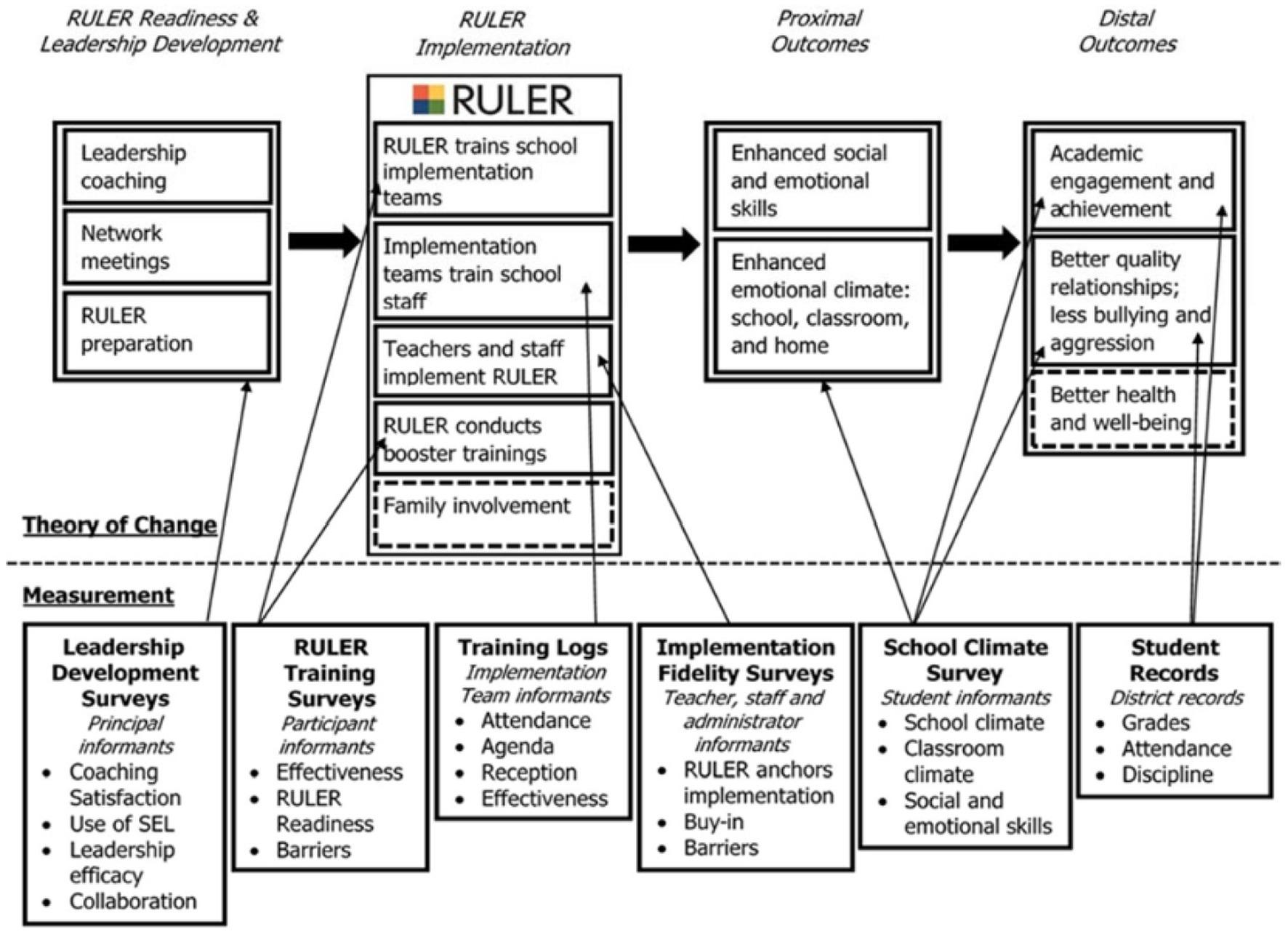
Selecting the right metrics is at the heart of prosperous SEL program evaluation. to measure the impact effectively, consider these data-driven indicators:
1. Student Self-Assessment and Surveys
- Pre- and post-program self-assessments: Ask students to rate their own social and emotional skills before and after the intervention.
- Standardized SEL surveys (e.g., the DESSA, CASEL assessment Guide): Use validated tools for reliability and benchmarking.
2. Behavioral Data
- Attendance rates: Improved SEL can lead to higher engagement and attendance.
- disciplinary incidents: track changes in behavioral referrals, suspensions, or detentions.
- Participation in classroom or group activities: Increased involvement is often a key positive outcome.
3. Academic Outcomes
- Grades and test scores: While not the onyl indicator,positive changes can reflect SEL benefits.
- Completion of assignments: Monitoring effort and persistence over time can show SEL progress.
4. Teacher and Parent Feedback
- Observation checklists: Teachers use structured forms to track student behaviors aligned with SEL competencies.
- Focus groups or interviews: Gather qualitative insights from educators, parents, and even peers.
5. Long-Term and Societal Indicators
- Graduation rates: SEL gains are correlated with better graduation outcomes over time.
- Post-school success: Some programs follow alumni to track employment or higher education.
Effective Strategies for Measuring SEL Impact
Once you’ve selected your metrics, how do you put them into use? Consider these expert-backed strategies to ensure the process is both rigorous and meaningful:
1. Use a Multi-Method, Multi-Informant Approach
- Combine quantitative data (surveys, attendance records) with qualitative data (interviews, narratives).
- Gather input from students, teachers, parents, and administrators for a 360-degree outlook.
2. Pre- and Post-Program Evaluations
- Establish baseline data at the start of the program and measure again post-intervention.
- Look for statistically significant changes to validate program effectiveness.
3. ongoing Monitoring
- Implement regular check-ins (quarterly or mid-year) to adapt the program as needed.
- Create a culture of reflection and continuous improvement.
4. Leverage Technology Tools
- Use online survey platforms (like Google Forms or SurveyMonkey) to efficiently collect data.
- Consider SEL software platforms that integrate with student information systems for seamless tracking.
5. Share Results Transparently
- Prepare clear, visually appealing reports or dashboards for stakeholders.
- Use results to celebrate successes and guide program adjustments.
Benefits of Measuring SEL & Practical Tips for Success
Measuring the impact of SEL programs does more than satisfy reporting requirements—it creates vibrant learning environments and supports positive change.
Core Benefits
- Boosted Engagement: Students who feel understood and supported are more likely to participate in class and school activities.
- Improved school Climate: Data-driven SEL initiatives help build respectful, inclusive cultures.
- Informed Decision-Making: Administrators can invest resources where they yield the greatest benefit.
- Stronger Community Bonds: SEL metrics empower parents and the wider community to partner in children’s growth.
Practical Tips
- Start with clear goals and objectives for your SEL program.
- Choose appropriate, age-specific measurement tools.
- Be sensitive to privacy and ethical considerations when collecting data.
- Include student voice throughout the process.
- Use data for growth, not just accountability.
real-World Case Studies: How Schools & organizations Measure SEL Success
Case Study 1: Elementary School Implementation
A large urban elementary school implemented a CASEL-aligned SEL curriculum. Using pre- and post-surveys, the school tracked improvements in self-management skills and peer relationships. Behavioral incidents decreased by 28%, and parent surveys reflected a noticeable shift in students’ empathy and problem-solving abilities. The school credits regular teacher training and transparent dialogue with driving their SEL success.
Case Study 2: Community youth Organization
A national youth mentoring organization used the DESSA measurement tool to assess SEL competency growth in its participants. Over one program year, 87% of youth showed gains in self-awareness, and 72% in relationship skills. The organization shared these results with funders and used them to tailor future programming for even greater outcomes.
First-Hand Experience: A Teacher’s Perspective
“After integrating regular SEL lessons,we started seeing fewer classroom disruptions. By leveraging short, weekly surveys and a simple behavior tracking system, we were able to chart real improvements in students’ coping mechanisms and classroom climate. The process gave us concrete talking points for parent-teacher conferences and built a sense of shared purpose.”
– 5th Grade Teacher, Public school
Conclusion: Empowering Lasting Change Through SEL Assessment
Measuring the impact of SEL programs is essential for turning good intentions into transformative results. by combining key metrics, effective strategies, and meaningful stakeholder engagement, educators and leaders can ensure that SEL initiatives create lasting, positive change. Whether in classrooms, after-school programs, or community settings, a thoughtful approach to evaluation strengthens everyone’s commitment to social-emotional growth.
Remember, it’s not just about the data—it’s about empowering each individual to thrive. As you continue your SEL journey, use these tools and insights to make a genuine impact, celebrate successes, and nurture a generation of emotionally bright, resilient learners.