
How to Measure the Impact of SEL Programs: Key Metrics & Evaluation Strategies
Social-emotional learning (SEL) has become an integral part of modern education. With its proven benefits for student well-being, academic achievement, and classroom climate, understanding how to measure the impact of SEL programs is more significant than ever. Whether you are an educator, administrator, or policymaker, knowing the right metrics and evaluation strategies for SEL can help you track progress, justify funding, and refine your practices for maximum benefit.
Why Measuring SEL Matters
SEL programs help students develop essential life skills such as self-awareness, emotional regulation, empathy, and responsible decision-making. However, without robust SEL program evaluation, it’s challenging to demonstrate effectiveness, identify areas for enhancement, and make data-informed decisions. measuring SEL outcomes can:
- Showcase the program’s value to stakeholders and funders
- Help tailor interventions to the unique needs of your students
- Provide accountability and direction for continuous improvement
- Align SEL goals with academic and whole-child progress objectives
Key Metrics for Evaluating SEL Programs
Effective evaluation of SEL programs relies on identifying and tracking the right metrics. Below are some core indicators to consider:
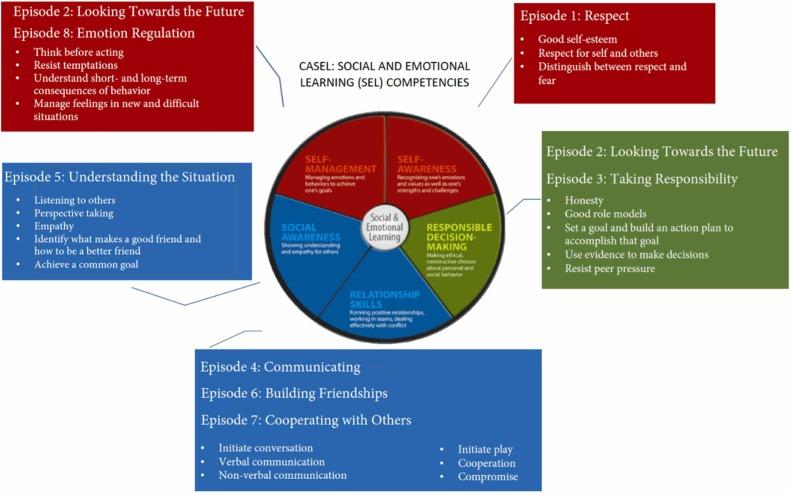
1. Social-Emotional Competencies
- Self-Awareness: Ability to recognize and understand personal emotions and strengths
- Self-Management: Skills in regulating emotions and behaviors
- Social Awareness: Empathy and respect for people of varied backgrounds and cultures
- Relationship Skills: Healthy communication, cooperation, conflict resolution
- Responsible Decision-Making: Making ethical and effective choices
Measuring growth in these areas can include pre- and post-assessments, self-reflections, teacher observations, and peer feedback.
2. Academic Outcomes
- Improved grades and test scores
- Increased classroom participation and engagement
- Reduced dropout rates
While SEL focuses on non-academic skills, research shows a positive correlation between SEL and academic achievement.
3. Behavioral and Disciplinary Data
- Decreased incidents of bullying and aggression
- Reduced suspensions, detentions, and office referrals
- Higher attendance rates
Tracking changes in behavior helps assess the practical impact of SEL in creating a positive school climate.
4. School Climate and Culture
- Student, teacher, and family perceptions of the school environment
- Satisfaction surveys and focus groups
- Sense of belonging and safety at school
Strong school culture is both a catalyst for and an outcome of successful SEL programs.
Effective Evaluation Strategies for SEL Programs
A comprehensive SEL evaluation strategy should combine multiple approaches for a well-rounded analysis:
Quantitative Data Collection
- Standardized Assessments: tools like the DESSA, Panorama Education surveys, or CASEL-based rubrics provide measurable data on SEL competencies.
- Behavioral Tracking: Use data from student behavior logs, attendance records, and academic performance.
- Pre- and Post-Testing: Measure changes over time to assess growth attributable to the SEL initiative.
Qualitative Data Collection
- Interviews & Focus Groups: Gather insights from students, teachers, and parents about their experiences and perceived impact.
- Open-ended Surveys: Provide space for stakeholders to share stories that numbers alone cannot capture.
- Observations: Use structured protocols to monitor classroom interactions and SEL implementation fidelity.
Mixed-Methods Approach
Combining quantitative and qualitative data gives a fuller picture of SEL outcomes. For example, an SEL program that shows improved survey scores (quantitative) and glowing testimonials from students (qualitative) presents a stronger case for success and areas for growth.
Best Practices for Measuring SEL Impact
- Set Clear objectives: Define what success looks like for your SEL program before implementation.
- Align With Established Frameworks: Use evidence-based standards, such as the CASEL core competencies, to guide your evaluation.
- Ensure Stakeholder Input: Engage teachers, parents, and students in the process for more authentic data and buy-in.
- Monitor Progress Continuously: Don’t rely on a single assessment; track growth over time for a more accurate reflection of the program’s effect.
- Disaggregate Data: Look for trends among different student groups to address equity and inclusion.
- communicate Findings Effectively: Turn data into actionable insights and share results in a clear,accessible manner with all stakeholders.
Benefits of Effective SEL Program Evaluation
Understanding how to measure SEL impact brings numerous advantages, both instantly and long-term:
- enhanced Student Outcomes: Identifies what’s working and allows for targeted improvements.
- Increased Funding Opportunities: Data-backed success attracts support from grants, donors, and policymakers.
- Greater Teacher Satisfaction: Teachers feel empowered when they see positive changes in student behavior and classroom climate.
- Systemic Change: Effective evaluation drives school-wide and district-wide commitment to nurturing the whole child.
Practical Tips for SEL Program Evaluation
- Start small: Begin with pilot programs and gradually scale your evaluation as you gain experience and resources.
- Leverage Technology: Utilize school data management systems, digital surveys, and analytics tools to streamline data collection and analysis.
- Invest in Professional Development: Train staff in both SEL curriculum delivery and evaluation methods to ensure program fidelity.
- Include Student Voice: Encourage students to participate in self-assessments and reflection; their insights are invaluable.
- Iterate Continuously: Use feedback loops to refine both SEL strategies and evaluation techniques over time.
Case Study: Measuring SEL Success in a Mid-Sized School District
Example: An urban school district implemented a district-wide SEL program, using a mixed-methods approach to track progress over two years. Key steps included:
- Administering biannual climate surveys to students and staff
- Collecting discipline and attendance data from district records
- Facilitating teacher-led focus groups to share best practices and challenges
- Using standardized SEL assessments for targeted grade levels
Results: The district reported a 25% decrease in behavioral incidents, a measurable increase in student-reported feelings of safety, and notable improvements in overall student engagement. Regular evaluation allowed for incremental program adjustments, resulting in sustained gains in both SEL skills and academic performance.
First-Hand experience: A Teacher’s Perspective on evaluating SEL
Ms. Johnson, a 5th-grade teacher, shares: “In my classroom, I use weekly reflection journals for students to assess their feelings, relationships, and growth in self-management.I also track incidents of conflict, which have gone down dramatically as introducing SEL lessons. Pulling in parent feedback has given me perspectives I hadn’t considered, making my teaching – and my students’ learning – more compassionate and effective.”
Conclusion
Accurately measuring the impact of SEL programs is critical for maximizing their effectiveness and sustaining systemic change. By focusing on relevant SEL metrics and employing multi-faceted evaluation strategies, educators and administrators can ensure their SEL initiatives make a measurable, meaningful difference. Remember: effective evaluation isn’t just about data—it’s about fostering a school environment where every student can thrive socially, emotionally, and academically.