
How to Measure the Impact of SEL Programs: Proven Methods & Key Metrics
Social-Emotional Learning (SEL) programs are transforming schools and communities by equipping students with critical life skills. While the benefits of SEL are widely acknowledged, measuring the impact of SEL programs is key to driving continuous improvement and securing ongoing support. This article explores proven methods and key metrics to effectively evaluate SEL initiatives, ensuring your program delivers tangible results.
Why Measuring SEL Program Impact Matters
SEL programs foster emotional intelligence, resilience, teamwork, and responsible decision-making in students. Measuring the impact of SEL programs is essential for:
- Demonstrating effectiveness: Stakeholders, such as educators, parents, and funders, require evidence of positive outcomes.
- Guiding improvements: Data helps refine SEL curriculum and teaching methods for better results.
- Securing funding: Clear metrics and evidence support grant applications and long-term investments.
- Ensuring accountability: Ongoing assessment ensures programs remain aligned with goals and standards.
Proven Methods for Evaluating SEL Programs
There are numerous approaches for measuring SEL program effectiveness. Combining quantitative and qualitative methods provides a comprehensive understanding of program impact.
1.Pre- and Post-Assessments
- Student Surveys: Use research-backed survey tools before and after program implementation to measure changes in SEL competencies, such as self-awareness, social awareness, and decision-making.
- Teacher and Parent Feedback: Collect observational data from those who interact regularly with students.
2. SEL Competency Rubrics
- Standardized Rubrics: Implement recognized frameworks like CASEL’s SEL Competencies and use their rubrics for consistency and reliability.
- progress Tracking: Regularly track individual student growth using rubric-based milestones.
3. Academic and Behavioral Data
- Attendance and Discipline records: Monitor changes in rates of absenteeism and behavioral incidents.
- academic Performance: Analyze grades, standardized test scores, and engagement in academic activities.
4. Focus Groups and Interviews
- Qualitative Insights: Conduct focus groups with students,teachers,and parents to gather nuanced feedback and stories.
- firsthand Experience: Capture testimonials highlighting specific improvements.
5. Longitudinal Studies
- Tracking Over Time: Follow cohorts over multiple years to assess sustained impact.
- Comparative Analysis: Evaluate outcomes across different schools or program implementations.
Key Metrics for Assessing SEL Program Impact
Effective SEL program evaluation relies on specific metrics aligned with program goals. Here are the most critical metrics:
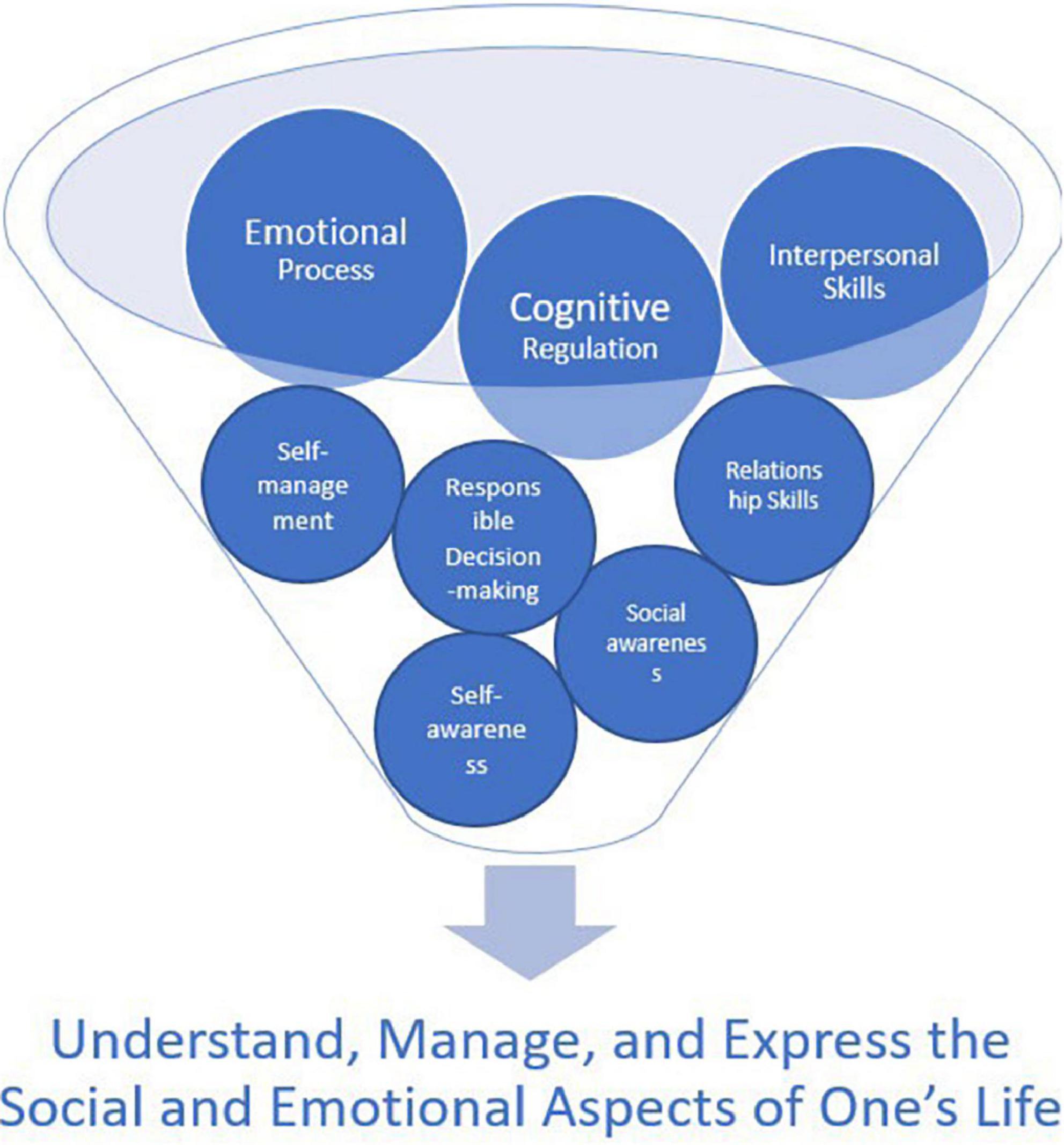
- Self-awareness and Self-management: Improvements in students’ ability to recognize and regulate emotions.
- Social awareness: Increase in empathy, respect, and understanding towards others.
- Relationship skills: Enhanced teamwork, conflict resolution, and communication abilities.
- Responsible decision-making: Better judgment, ethical choices, and problem-solving skills.
- School climate: Positive shifts in overall classroom and school environment, measured through climate surveys.
- Behavioral metrics: Reductions in suspensions, bullying, and aggression.
- Academic engagement: Participation in lessons, improvement in grades, and standardized assessments.
- Attendance: Fewer absences and tardy incidents.
Benefits of Evaluating SEL Programs
Investing time in SEL program measurement brings invaluable benefits:
- Evidence-driven decisions: Adjustment of strategies and curriculum based on real data.
- Enhanced student outcomes: Targeted interventions support specific student needs and accelerate growth.
- Stakeholder confidence: Clear results foster trust among parents, teachers, and administrators.
- Sustainability: Strong impact data attracts funding, ensuring program longevity.
- compliance: Meets district,state,and grant reporting requirements.
Practical Tips for Effective SEL Program Evaluation
Applying best practices ensures accurate and actionable results. Here’s how to optimize your evaluation process:
- Align metrics with goals: identify the SEL skills and outcomes most relevant for your students and school community.
- Use mixed methods: Combine quantitative data (e.g., test scores, attendance) and qualitative feedback (e.g., interviews).
- Involve stakeholders: Engage teachers, parents, and students in designing and reviewing assessments.
- Leverage technology: Use digital platforms for surveys, data analysis, and progress tracking.
- Review regularly: Schedule periodic check-ins to assess the program and make necessary adjustments.
- ensure confidentiality: Protect student privacy and follow data protection best practices.
Case Studies: Real-World Impact of SEL Program Evaluation
Case Study 1: Urban School District
An urban elementary school implemented a CASEL-based SEL program. Pre- and post-surveys showed:
- 45% increase in self-management among students
- 30% reduction in behavioral referrals within six months
- Improved student engagement and class participation
Case Study 2: Middle School Collaboration
A middle school formed focus groups with students and staff to evaluate SEL program outcomes. As a result:
- Student empathy and conflict resolution skills rose to the top 25% percentile in district-wide assessments
- School climate surveys reflected a more positive, inclusive environment
- Attendance improved by 12% over a school year
Firsthand Experience
Teachers reported a noticeable shift in class dynamics, emphasizing the value of combining quantitative metrics with qualitative feedback. “By using both survey data and student interviews, we gained a clearer understanding of individual growth stories,” shared a participating teacher.
Measuring SEL Program Impact in WordPress: Quick Styling Tips
If you’re sharing SEL evaluation results on a WordPress website, here are some CSS styling tips for better readability:
- Use custom headings:
h2 { color: #2980b9; border-bottom: 2px solid #ebf5fb; } - Highlight key metrics:
.key-metrics { background: #ecf0f1; padding:1em; border-radius:5px; } - Add testimonial quotes:
.testimonial { font-style: italic; color: #7f8c8d; }
these enhancements not onyl improve aesthetics but also promote better engagement and readability for your audience.
Conclusion: Empowering Students Through Data-Informed SEL
measuring the impact of SEL programs is essential to their success,driving growth,accountability,and improvement. By using proven evaluation methods and key metrics, educators and administrators ensure every student receives the social-emotional support they need. Whether you’re just starting an SEL initiative or seeking to improve an existing program, effective measurement is the cornerstone of ongoing success.With clear data, you can demonstrate the value of your SEL program, secure support, and make a lasting difference in student lives.
Interested in implementing a robust SEL measurement strategy? Start today—empower your students through meaningful evaluation and data-driven improvement.