
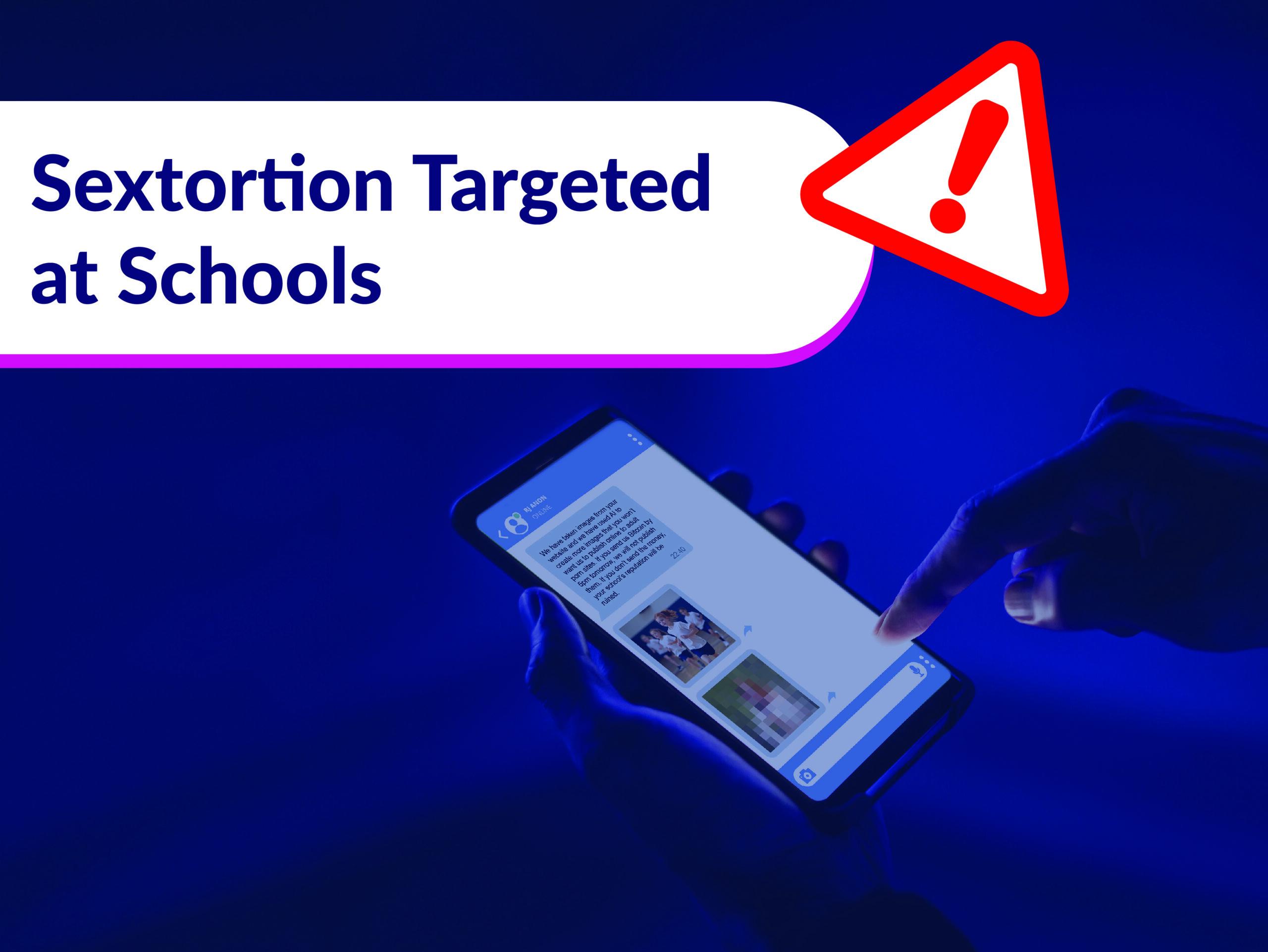
How to Navigate Data Privacy in Education Technology: Essential Tips for Schools and Educators
With the rapid integration of education technology (edtech) tools in classrooms, ensuring data privacy in education has become more crucial than ever before. Digital platforms help personalize learning,streamline administrative tasks,and foster collaboration,but they also introduce potential risks to students’ personal information. Schools and educators face the formidable task of navigating the constantly evolving landscape of data privacy regulations and best practices.this extensive guide will walk you through the essentials of protecting privacy in edtech, offering actionable tips, legal considerations, and real-world insights to help you build a safe learning environment for your students.
why Is Data Privacy Vital in Education Technology?
Each day, educational platforms collect, store, and transmit vast amounts of student data—including names, scores, behavioral information, and even biometric records. Without robust data privacy protections, schools risk exposing this sensitive information to unauthorized access or misuse, which can lead to identity theft, cyberbullying, or even targeted advertising aimed at children.
- Protects students’ identities and sensitive information
- Ensures compliance with privacy laws (such as FERPA, COPPA, and GDPR)
- Builds trust among parents, students, and staff
- Supports a positive school reputation and fosters a healthy digital ecosystem
Key Data Privacy Laws and Regulations in EdTech
To ensure compliance and protect student privacy in edtech, schools and educators must familiarize themselves with several key regulations:
1.Family Educational Rights and Privacy Act (FERPA)
FERPA is a U.S. federal law that grants parents and students certain rights regarding educational records. it restricts disclosure of personally identifiable information (PII) without explicit consent. Edtech vendors working with schools must adhere to FERPA requirements to ensure legal data sharing.
2. Children’s Online Privacy Protection Act (COPPA)
Aimed at children under 13, COPPA requires websites and online services—including many edtech apps—to obtain verifiable parental consent before collecting personal data from young students.
3. General Data Protection Regulation (GDPR)
For schools in the European Union or dealing with EU students, GDPR offers strict regulations about data collection, processing, and storage. it emphasizes transparency, consent, and user control over personal data.
4. State and Local Laws
Many U.S. states also have their own student data privacy laws—for example, California’s Student Online Personal Information Protection Act (SOPIPA). Always check for local requirements or district-specific policies.
Essential Tips for Navigating Data Privacy in EdTech
Ensuring data privacy in education technology starts with a strategic approach. Here are actionable steps and best practices for schools and educators to enhance student data protection:
-
Vet EdTech Vendors Carefully
- Review vendor privacy policies for data collection, storage, and sharing practices
- Choose platforms that are FERPA and COPPA compliant
- Ask vendors about their data encryption and security protocols
-
limit data Collection to What’s Necessary
- Onyl collect essential data for educational purposes
- Set up regular reviews to remove needless or outdated information
-
Train Staff and Educators on Data Privacy
- Conduct regular workshops on recognizing phishing threats and handling sensitive data
- encourage staff to use strong passwords and two-factor authentication for all accounts
-
Maintain Transparent Communication with Parents and Students
- Inform families about what data is being collected and why
- Provide easy channels for questions and opt-out requests
-
Implement Secure Access Controls
- Ensure only authorized personnel can access sensitive information
- regularly audit user accounts and permissions
-
Establish a Robust Incident Response Plan
- Have clear procedures for detecting, reporting, and responding to data breaches
- Perform routine drills to test your school’s preparedness
Practical Data Privacy Strategies for Schools
taking theory into practice, schools can adopt the following strategies to ensure student data privacy in education technology is not compromised:
-
Create Data Privacy Policies and Procedures
Draft a clear, comprehensive policy outlining what student data is collected, how it is used, and how long it is retained. Update policies to reflect new technologies and regulations, and make them accessible to all stakeholders.
-
Use Privacy-by-Design Principles
Integrate privacy and security measures into the adoption and advancement of any new edtech tools from the outset, rather than as an afterthought.
-
Secure Devices and Networks
Use firewalls, up-to-date antivirus software, and encrypted wireless networks. Remind students and staff about the safe use of school devices both on and off campus.
-
Regularly Audit and Monitor Systems
Perform periodic checks of data access logs and monitor for suspicious activity. Address vulnerabilities as soon as they are detected.
-
Empower Students to Protect Their Own Data
Teach students digital literacy, including recognizing scams, creating strong passwords, and being cautious about sharing information online.
Case Study: Data Privacy in Action
Lincoln Middle School, a mid-sized public school, successfully enhanced data privacy by implementing a multi-layered approach:
- Conducted a full audit of all edtech software in use and discontinued platforms without robust privacy policies
- Established a “Data Privacy Champion” among staff to oversee privacy initiatives and liaise with vendors
- Created easy-to-understand privacy notices for parents
- Partnered with IT professionals to train teachers on new security software
- Instituted bi-annual privacy reviews and included parents in the decision-making process for new digital tools
After one year, the school reported no data incidents, improved parental confidence, and smoother digital adaptation by staff and students.
Common Data Privacy Risks and How to Avoid Them
-
Unsecured Cloud Storage
Always choose encrypted cloud services and restrict file sharing to trusted users.
-
Phishing Attacks
Train staff and students to identify suspicious emails and never click on unknown links.
-
Weak Passwords
Enforce strong password policies and recommend password management tools.
-
third-Party App Integrations
Carefully review permissions that third-party apps request and monitor their compliance with school policies.
Final Thoughts: Embracing EdTech Without Compromising Privacy
As digital tools continue to transform education, the importance of data privacy in education technology cannot be overstated. By adopting proactive strategies, fostering a culture of privacy, and keeping informed about legal changes, schools and educators can confidently leverage the benefits of edtech while keeping student data safe.
Remember, data privacy is not a one-time project—but an ongoing duty. Prioritize regular reviews, strong communication, and clear policies to build a secure digital environment for every learner.