
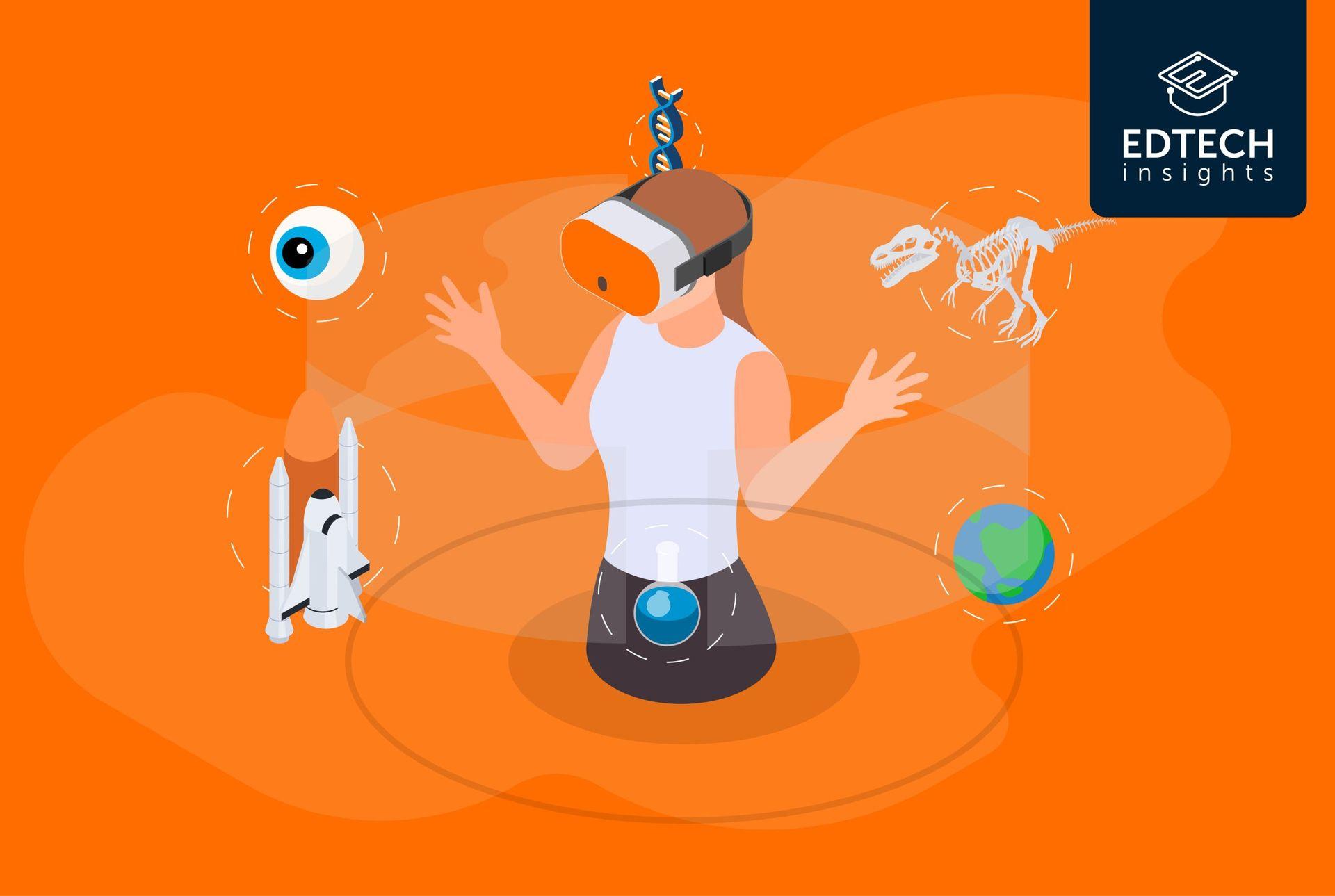
How to Overcome key Challenges in Integrating VR/AR into Educational Curricula
Virtual Reality (VR) and Augmented Reality (AR) have transformed the landscape of modern education.Offering immersive and interactive learning experiences, these technologies create new opportunities for student engagement and improved outcomes. Though, integrating VR/AR into educational curricula comes with its own set of challenges—from high costs to teacher resistance and curriculum alignment. In this comprehensive guide, we’ll explore the key obstacles educators face and present actionable solutions for successful VR/AR adoption. If you’re an educator,administrator,or EdTech enthusiast,read on to discover how to make immersive learning a reality in your institution!
Benefits of Integrating VR/AR into education
Before diving into the challenges,let’s highlight the advantages of using VR/AR in education:
- Enhanced Engagement: VR/AR delivers immersive content that captivates students’ attention,making lessons memorable.
- Experiential Learning: Enables hands-on experiences, such as virtual field trips or science lab simulations, supporting deeper learning.
- Personalized Instruction: Adaptive AR/VR platforms cater to individual learning paces and styles.
- Safe Experimentation: Students can conduct high-risk or expensive experiments virtually without safety concerns.
- Accessibility: VR/AR can break geographical and physical barriers, especially useful for remote or disabled learners.
Key Challenges in Integrating VR/AR into Educational Curricula
Despite the clear benefits, educational institutions face several hurdles when implementing VR/AR technologies:
1. high Cost of Hardware and Software
VR headsets, AR devices, and relevant software solutions can be costly. Budget constraints, especially in public schools or developing regions, can limit access to immersive technology.
2. Lack of Teacher Training and Technical Expertise
Teachers may feel unprepared to incorporate new technologies into their lesson plans. The lack of professional advancement contributes to hesitation and ineffective implementation.
3. Curriculum Alignment Issues
Integrating VR/AR requires mapping digital experiences to learning objectives and national standards. This alignment can be complex and time-consuming.
4. Infrastructure and Device Compatibility
School infrastructure may not support high-speed internet, device compatibility, or storage requirements for VR/AR applications.
5. Equity and Accessibility Challenges
Resource disparities can prevent equal access to immersive technologies among students from different backgrounds.
6.data Privacy and Student Safety
VR/AR applications frequently enough collect user data, raising concerns over privacy and compliance with regulations like FERPA or GDPR.
Practical strategies to Overcome VR/AR Educational Challenges
Here are proven ways to tackle common obstacles and successfully integrate VR/AR into your curriculum:
1. Cost-Efficient Solutions
- Leverage low-cost or mobile-based VR/AR devices such as Google Cardboard or AR-enabled tablets and smartphones.
- Explore open-source VR/AR software and free educational applications to minimize licensing expenses.
- Pursue grant opportunities, partnerships, or corporate sponsorships with technology vendors or local businesses.
- Share resources between schools or district networks to maximize utilization.
2. Comprehensive Teacher Training
- Organize professional development workshops focusing on hands-on VR/AR integration and classroom management.
- Provide ongoing support through mentorship programs, online tutorials, and peer learning groups.
- Encourage educators to participate in EdTech communities for best practices and resource sharing.
3. Curriculum Integration and Alignment
- Start with pilot programs for targeted subjects were VR/AR can add the most value (e.g., science, history, languages).
- Collaborate with curriculum designers and subject matter experts to align immersive experiences with core standards and learning outcomes.
- Use backward design principles to identify desired results and incorporate VR/AR activities accordingly.
4. Addressing Infrastructure Constraints
- Invest in scalable network upgrades to support bandwidth needs and device connectivity.
- Utilize cloud-based solutions for content delivery and storage, reducing reliance on local hardware.
- Choose cross-platform VR/AR applications to ensure device compatibility.
5. Promoting Equity and Accessibility
- Design inclusive experiences by considering accessible navigation, multi-language options, and support for students with disabilities.
- Distribute devices on a rotational basis and schedule collaborative experiences to promote shared learning.
- Engage families and communities in immersive education initiatives through open house events or virtual demos.
6. Ensuring Data Privacy and Safety
- Vet VR/AR providers for compliance with student privacy laws and obvious data policies.
- implement robust cybersecurity protocols and provide clear guidelines for responsible technology use.
- Educate students about online safety and digital citizenship within immersive environments.
Case Studies: Successful VR/AR Integration in Schools
Let’s look at some real-world examples of schools overcoming VR/AR challenges:
- Case Study 1: Kingsley Elementary,California – Faced with limited funding,Kingsley adopted low-cost VR headsets and leveraged free AR apps to teach geography and science. Teacher training was provided by local EdTech volunteers, resulting in a 30% increase in student test scores.
- Case Study 2: London Metropolitan School – Integrated AR into history curriculum by collaborating with a local museum to develop immersive exhibits.Inclusive design principles ensured accessibility for visually impaired students.
- Case Study 3: Rural India Schools – Partnered with nonprofits to receive donated smartphones and set up cloud-based AR learning modules, bridging the digital divide for underserved communities.
first-Hand Experiences: What Educators Have to Say
“introducing VR for biology lab simulations was initially daunting. But after attending targeted workshops and collaborating with my peers, our students became so much more excited about learning!” – Jane Martinez, Middle School Science Teacher
“The AR math games we piloted helped my students grasp difficult concepts faster. Accessibility features were vital for my students with special needs.” – Mr. Jamal Chowdhury, Elementary Math Teacher
Practical Tips for VR/AR Curriculum integration
- Begin with manageable projects that demonstrate quick wins for both teachers and students.
- Regularly collect feedback from staff, students, and parents to optimize the immersive learning experience.
- Utilize analytics and assessment tools provided by VR/AR platforms to measure educational impact.
- Stay updated on advancements in educational VR/AR by following EdTech news and joining professional networks.
Conclusion: Turning Challenges into Opportunities
Integrating VR/AR into educational curricula is challenging, but the potential rewards—improved engagement, deeper understanding, and enhanced skill development—make the journey worthwhile. By adopting innovative strategies, investing in professional development, and prioritizing accessibility, educators can overcome barriers and bring the future of learning to their classrooms. Weather starting small or rolling out large-scale immersive initiatives, the key is to stay adaptable, collaborative, and student-focused.
Ready to embrace VR/AR in your curriculum? Start today, and unlock new dimensions of learning that will inspire the next generation!