
How to Prepare Students for Future Jobs: Essential Skills and Strategies for Tomorrow’s Workforce
The rapidly changing job market and technological evolution are redefining how we think about the future of work. For students navigating today’s educational landscape, knowing how to prepare for future jobs is more important than ever. This comprehensive guide explores essential skills, effective strategies, and practical tips for equipping students with the tools they’ll need to thrive in tomorrow’s workforce.
Why Preparing Students for Future Jobs Matters
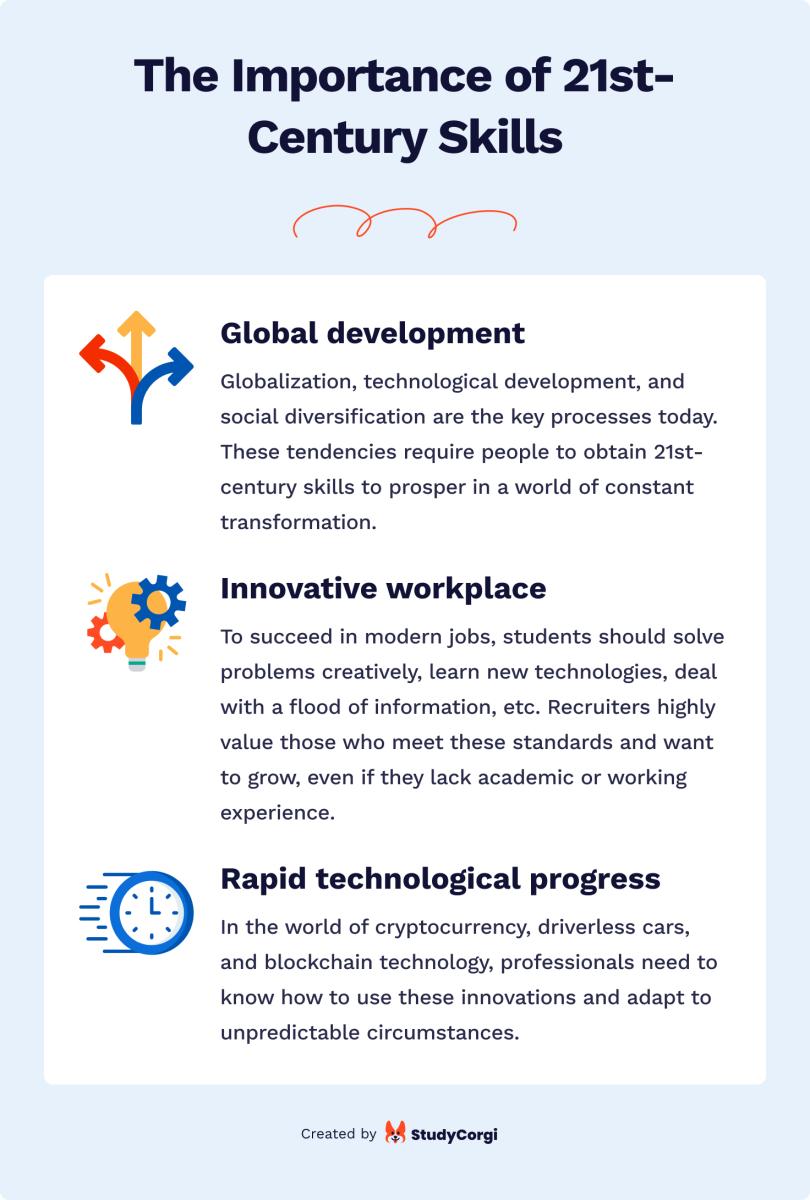
With automation, artificial intelligence, and global connectivity transforming industries, many jobs of the future don’t even exist yet. Preparing students for future jobs not only empowers them to adapt but also ensures society’s continued growth and resilience. Schools,parents,and mentors each play a critical role in fostering the competencies that will shape tomorrow’s workforce.
What Skills Will Future Jobs Demand?
Employers are increasingly seeking candidates with dynamic, adaptable, and tech-savvy skill sets. Let’s break down the core competencies that are crucial for the jobs of tomorrow:
1.Critical Thinking and Problem-Solving
- Ability to analyze complex situations and identify creative solutions
- Making informed decisions amidst ambiguity
- Encouraging inquiry and curiosity in learning environments
2. Digital literacy and Technological Competence
- Understanding emerging technologies: AI, machine learning, data analytics, and coding basics
- Safe and effective use of digital platforms and collaborative software
- continuous self-learning in tech advancements
3. Adaptability and Resilience
- Comfort with change and new challenges
- Ability to pivot career paths as industries evolve
- Bouncing back from setbacks and learning from failure
4. emotional Intelligence and Communication
- Understanding and managing one’s emotions and those of others
- Strong verbal,nonverbal,and written communication skills
- Effective collaboration in diverse,multicultural teams
5. creativity and Innovative Thinking
- Generating new ideas and out-of-the-box solutions
- Applying design thinking and entrepreneurial approaches
- Risk-taking in a safe, supportive environment
6. Leadership and Project Management
- Taking initiative and demonstrating responsibility
- Organizing teams, setting goals, and managing projects
- Inspiring and guiding others towards common objectives
Strategies for Preparing Students for tomorrow’s Workforce
Arming students with essential skills requires more than just curriculum updates.It involves a holistic approach centered on active learning, exposure to real-world scenarios, and continuous feedback.
1.Integrate Real-World Learning Experiences
- Internships and Job Shadowing: Connect students with businesses and professionals in their fields of interest.
- Project-Based Learning: Engage students in collaborative, hands-on projects that address authentic challenges.
- Career Days and Guest Speakers: Invite industry experts to share their experiences and insights.
2. Encourage Interdisciplinary Studies
- Combine STEM (Science, Technology, Engineering, Math) with arts, humanities, and social sciences
- Promote well-rounded development and versatile thinking
3. Teach Digital Skills Early and Frequently enough
- provide coding workshops, robotics clubs, and access to online learning platforms
- Promote responsible digital citizenship and cybersecurity awareness
4. Foster Soft Skills through Active Engagement
- Integrate teamwork, critical feedback, and leadership opportunities across curricula
- Create safe spaces for displaying and discussing emotional intelligence
5. Support Continuous Learning and Growth Mindset
- Emphasize lifelong learning as a core value
- Encourage students to pursue certifications, online courses, and extracurricular projects
- Model the adaptability expected in future jobs
The Benefits of Preparing Students for Future Jobs
Adopting these forward-thinking strategies delivers tangible benefits for both students and society:
- Enhances employability and career satisfaction
- Promotes responsible digital and social citizenship
- Boosts creativity, confidence, and communication skills
- Prepares learners to lead and innovate in any field
Practical tips for Educators and Parents
Everyone involved in a student’s development has a part to play. Here are actionable tips for educators and parents to prepare students for future jobs:
For Educators
- Adopt blended learning models, combining online tools with classroom interaction
- Facilitate collaborative, inquiry-based projects
- Use assessment methods that measure a broad range of skills beyond grades
For Parents
- Encourage curiosity through home experiments and exploration
- Provide access to educational resources, from coding apps to creative kits
- Teach financial literacy, resilience, and problem-solving through everyday activities
Case Studies: Schools Leading the Way
Many educational institutions are already making notable strides in workforce preparation:
- Finland’s Education System: Emphasizes holistic development, project-based learning, and skills over rote memorization.
- Singapore’s SkillsFuture Movement: Provides students and adults with pathways for continual upskilling and career readiness.
- U.S.Coding Bootcamps: Short-term, immersive programs teach job-ready tech skills with direct industry input.
First-Hand Experience: Insights from the Classroom
Many teachers and students are already embracing future-focused learning. For example, one high school robotics teacher shares:
“By encouraging my students to work on real-world robotics challenges, they learn not only to code and build but also to present, fail, iterate, and collaborate. These are the skills that matter most in tomorrow’s workforce.”
Similarly, a recent graduate notes:
“Taking part in interdisciplinary hackathons changed my perspective on teamwork, adaptability, and creative problem-solving. I feel much more prepared for any career path I choose.”
Conclusion: Equipping Students for a Luminous and Adaptable Future
Preparing students for future jobs is a continuous, collaborative effort. By focusing on essential skills such as critical thinking, digital literacy, adaptability, and emotional intelligence, and by utilizing practical strategies in and out of the classroom, we equip learners to not only navigate but thrive in tomorrow’s workforce. Whether you’re an educator, parent, or mentor, your investment in these approaches can unlock limitless opportunities for the next generation.