
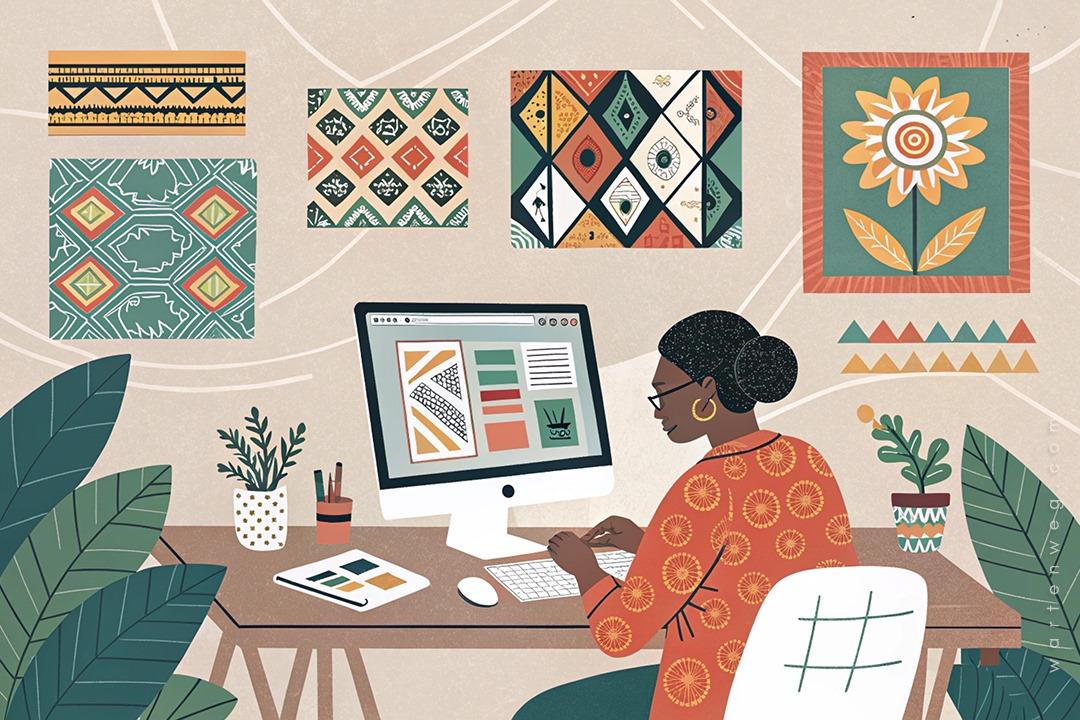
how to Succeed as a Graphic Designer in Educational content: Essential Skills & Strategies
Introduction: Embracing the Role of a Graphic Designer in Education Technology
The demand for innovative and skilled graphic designers in the educational technology (EdTech) sector is on the rise. As schools, colleges, and universities increasingly incorporate digital learning materials and interactive resources, the need for visually engaging and effective educational content designers has never been greater. If you’re passionate about design and aspire to make a lasting impact in the world of education, pursuing a role as a graphic designer in educational content could be your ideal career path.
In this thorough guide, you’ll discover the essential skills, strategies, and benefits of becoming a successful graphic designer in EdTech. Whether you’re targeting jobs at universities, colleges, or K-12 schools, this article provides actionable insights and practical tips to help you thrive in this rewarding field.
Why Graphic Design Matters in Educational Content
Graphic design in educational content is more than simply making materials look visually attractive. High-quality educational graphics play a crucial role in:
- Enhancing comprehension and retention of complex data
- Supporting diverse learning styles
- breaking down barriers for visual learners and students with learning difficulties
- Fostering engagement and motivation
- Modernizing traditional curricula into interactive digital resources
Universities, colleges, and schools rely on expert EdTech designers to create everything from e-learning modules and infographics to interactive apps and assessment tools. By harnessing both creativity and pedagogical understanding, graphic designers become key contributors to educational success stories.
Essential Skills for Graphic Designers in Educational Content
1. Mastery of Visual Communication
At the core, a successful educational content designer must be a strong visual communicator. Your ability to distill complex information into clear, accessible, and engaging graphics will directly impact learning outcomes.
2.Proficiency in Design Software
Familiarity with leading graphic design software is essential for EdTech roles. Some of the most valuable tools include:
- Adobe Creative Cloud (Photoshop, Illustrator, InDesign, After Effects)
- Canva and other rapid-prototyping tools
- Figma or Sketch for UI/UX design, especially for interactive content
- E-learning authoring tools such as Articulate Storyline or Adobe Captivate
stay updated with new releases and industry trends to keep your skills current.
3. Understanding of Educational pedagogy
Unlike traditional graphic designers, EdTech graphic designers need a firm grasp of instructional design principles and learning theories. This enables you to:
- Collaborate effectively with educators and curriculum developers
- Design content that supports learning objectives and educational standards
- Ensure accessibility for all learners, following WCAG guidelines
4. User Experience (UX) and Accessibility Awareness
Creating accessible graphics that are usable for all students, including those with disabilities, is a cornerstone in educational settings. Learn about color contrast, alt text, font legibility, and responsive design best practices.
5. Collaboration and Communication
EdTech projects are rarely solo ventures. Graphic designers work closely with subject matter experts, instructional designers, web developers, and teachers. Strong communication, flexibility, and the ability to receive constructive feedback are vital to your success.
6. Project Management Skills
Timely delivery and organization are essential in educational environments, where project deadlines often align with academic calendars. Familiarity with project management platforms (such as Trello, Asana, or Monday.com) can help streamline workflow and collaboration.
Key Strategies for Succeeding as a Graphic Designer in EdTech
- Build a specialized portfolio: Showcase projects relevant to educational content, emphasizing your ability to simplify difficult subjects, create interactive materials, and address diverse learning needs.
- Stay updated with EdTech trends: Follow the latest educational technologies, from gamification and AR/VR to microlearning and adaptive learning platforms.
- Network within the education sector: Join professional associations,attend EdTech conferences,and connect with faculty and staff at local schools,colleges,or universities.
- showcase soft skills: Highlight teamwork,flexibility,creativity,and problem-solving in your resume and during interviews.
- Demonstrate understanding of curriculum needs: Include examples in your portfolio or case studies that show how your designs align with learning objectives and curriculum standards.
Benefits of Working as an Educational Content Designer
A career as a graphic designer in education offers unique rewards and opportunities, including:
- Impactful Work: Your designs directly improve student experiences and educational outcomes, making a real difference in learners’ lives.
- Diverse Challenges: every age group and subject matter provides new creative and intellectual challenges, keeping your work dynamic and engaging.
- Career Advancement: Educational environments offer clear pathways to leadership roles, such as senior instructional designer, EdTech manager, or creative director.
- Job Security: the digital transformation of education ensures continued demand for skilled EdTech professionals at all institutions.
- Collaborative Culture: Work alongside passionate educators, technologists, and designers who are committed to student success.
Practical Tips for Landing Your Dream Role in educational Content Design
- Pursue relevant certification: Consider courses in instructional design, e-learning development, or digital accessibility to strengthen your credentials.
- Volunteer or freelance: Offer your skills to local schools,non-profits,or educational startups to build experience and confidence.
- Highlight results: Whenever possible, measure the impact of your designs (e.g.,improved test scores,higher student engagement) and share these outcomes in applications and interviews.
- Customize your portfolio: Tailor your portfolio for each job application to reflect the specific needs and values of the target institution.
- Prepare for multi-phase interviews: Be ready to discuss your design process, show prototype work, and respond to live creative briefs or challenges.
- Embrace continuous learning: Stay open to feedback, pursue ongoing education, and experiment with emerging design and EdTech tools.
Conclusion: Shape the Future of Education with Your Creative Talent
Succeeding as a graphic designer in educational content is about more than technical expertise. by blending creativity with pedagogical insight and a passion for making learning accessible and engaging, you can truly make a difference in the academic world. Armed with the right skills, strategies, and connections, you’ll be well-prepared to pursue graphic design jobs at universities, colleges, or schools—and to help shape the next generation of learners through inspired educational content.
As you embark on your journey in education technology, remember that your designs have the power to spark curiosity, improve understanding, and foster lifelong learning. Invest in your growth,stay excited about both design and education,and you’ll find your place—and success—in this exciting and meaningful career path.