
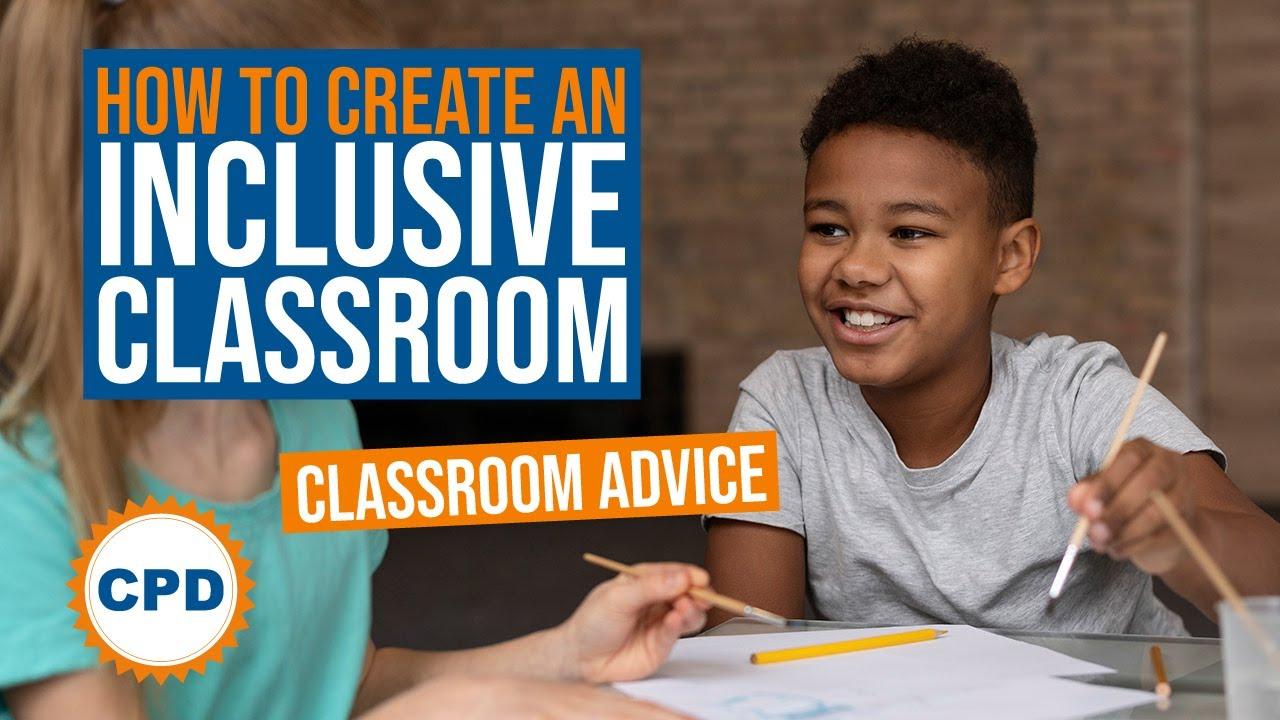
How to Train educators for Effective Inclusive Teaching Practices: A Step-by-Step Guide
Inclusive teaching practices are essential for creating equitable, engaging, and respectful classrooms where every student can thrive. As schools become more diverse, the need for well-trained educators equipped with strategies for inclusive education has never been greater. This step-by-step guide explores how to successfully train educators, the benefits of inclusive teaching, practical tips, and real-world examples to inspire your journey.
Table of Contents
- Why Inclusive Teaching Matters
- Step-by-Step Guide to Training Educators for Inclusive Practices
- Benefits of Inclusive Teaching Practices
- practical Tips for Effective Educator Training
- Case Studies and Firsthand Experiences
- Conclusion
why Inclusive Teaching Matters
Inclusive teaching practices go beyond accommodating students with disabilities—they ensure that all learners, regardless of cultural background, learning style, language, ability, or experience, have equal access to learning opportunities. Training educators in inclusive education helps create:
- Classrooms where every student feels valued
- Higher academic achievement and engagement for diverse learners
- Reduction in discrimination and bias
- Positive learning environments that embrace differences
- Students prepared for a diverse world
Step-by-Step Guide to Training Educators for inclusive Practices
To foster a truly inclusive learning surroundings, educator training shoudl be systematic, ongoing, and responsive to the needs of both staff and students. Here’s a step-by-step process to implement effective professional development in inclusive teaching practices:
1. Assess Training Needs
- Conduct surveys or interviews to identify educators’ current understanding of inclusive education
- Analyze classroom demographics to determine the variety of needs present
- Review past professional development programs to identify gaps
2. Set Clear Objectives
- Define what effective inclusive teaching looks like in your context
- Develop measurable outcomes (e.g.,“increase use of Universal Design for Learning strategies”)
- Host collaborative meetings to align goals among all stakeholders
3. Design a Comprehensive Training Program
- include modules on key topics:
- Cultural responsiveness and anti-bias education
- Differentiated instruction strategies
- Universal Design for Learning (UDL)
- Collaborative teaching and co-teaching models
- managing classroom diversity and behavior
- Assistive technology and accessibility tools
- Combine in-person workshops, online courses, peer mentoring, and self-paced learning
- Use real case studies and hands-on practice to reinforce learning
4. Engage and Empower Educators
- Encourage active participation and reflection
- Foster collaborative problem-solving through group activities
- Invite guest speakers or experts in inclusive teaching
- Provide opportunities for educators to share and learn from each other’s experiences
5. Implement Classroom-based Practice
- Support educators with coaching, mentoring, and peer observations
- Create a safe environment for trying new inclusive teaching strategies
- Set short-term goals and monitor progress
6. Collect Feedback and Measure Impact
- Gather feedback from educators, students, and families
- Use classroom observations, student outcomes, and self-assessments
- Continuously refine the professional development program
7.Foster an Ongoing Culture of Inclusion
- Encourage lifelong learning and professional growth
- Establish communities of practice or professional learning networks (PLNs)
- Celebrate successes and share best practices regularly
Benefits of Inclusive Teaching Practices
Effective inclusive teaching benefits all learners, not just those from marginalized groups.Here’s how inclusive education transforms schools and communities:
- Improved Student Achievement: Diverse instructional methods help students grasp concepts more effectively
- Greater Engagement: When every voice is valued, students are more motivated and active in learning
- Social-Emotional Growth: Inclusive classrooms foster empathy, teamwork, and a sense of belonging
- Teacher satisfaction: Educators feel empowered and gain new skills for managing diverse classrooms
- Reduced Achievement Gaps: Inclusive practices help narrow disparities in learning outcomes
Practical Tips for Effective Educator Training
Integrating inclusive teaching principles takes time, reflection, and ongoing effort. Use these practical tips to maximize the impact of your training initiatives:
- Make Training Interactive: Incorporate activities such as role-playing, student simulations, and collaborative planning.
- Use Real-Life Scenarios: Ground learning in authentic school experiences and local challenges.
- Provide Take-Home Resources: Handy checklists, templates, and quick-reference guides help educators apply what they’ve learned.
- Model Inclusive Practices: Trainers should demonstrate differentiated instruction, universal design, and supportive language during workshops.
- Foster Peer Support: Set up buddy systems or mentorship programs pairing veteran and novice teachers.
- Integrate Technology: Use accessible digital tools and online communities for ongoing learning and resource sharing.
- Encourage Self-Reflection: provide journaling prompts or reflection questions after each session.
- Celebrate Small Wins: Acknowledge educators who innovate for inclusion and regularly share their stories as inspiration.
Case Studies and Firsthand Experiences
Real-world success stories can illuminate the power of effective inclusive teaching training:
case Study 1: Building Inclusive Classrooms in a Diverse Urban School
At Maplewood High, administrators launched ongoing workshops focusing on universal Design for Learning and cultural responsiveness. Teachers collaborated on lesson plans, shared feedback, and observed each other’s classrooms. after one year, student engagement and achievement among English Language Learners (ELLs) rose by 18%.
Case Study 2: Rural School embraces Differentiated Instruction
A small rural district implemented virtual professional development modules on supporting neurodiverse learners. Teachers incorporated sensory supports and visual aids. Students with dyslexia improved reading fluency, and overall attendance increased due to the more welcoming environment.
Firsthand experience: Teacher Reflection
“Before our inclusive education training, I felt overwhelmed by the diverse needs in my classroom. Now, with differentiated tasks and tech tools, I see all my students engaged in ways I never imagined.The biggest change is in the confidence of both my students and myself.”
– Sarah V., Middle School Science Teacher
Conclusion
Training educators in inclusive teaching practices is a vital investment in the future of education. Through systematic professional development, practical strategies, and ongoing support, schools can empower every teacher to ensure that all students succeed—regardless of background, ability, or learning style. By embracing inclusive education, we create a richer, more dynamic learning community where every voice matters and every learner is given the chance to excel.
Ready to make your school more inclusive? Start by investing in comprehensive educator training and watch as your classrooms transform into spaces of possibility and belonging for every student.
Looking for more tips on effective inclusive teaching practices? Subscribe to our newsletter to stay updated with the latest strategies, research, and inspiration for educators.