
How to Train Educators for Effective Inclusive Teaching Practices
Inclusive education has become a central pillar of modern teaching, breaking down barriers and ensuring all students—irrespective of ability, background, or learning style—engage meaningfully in the classroom. But achieving true inclusivity isn’t automatic; it requires systematic training for educators to adopt effective inclusive teaching practices. In this guide, we’ll explore how to equip teachers with the skills, mindset, and tools needed for transformative, inclusive education.
What Is Inclusive Teaching?
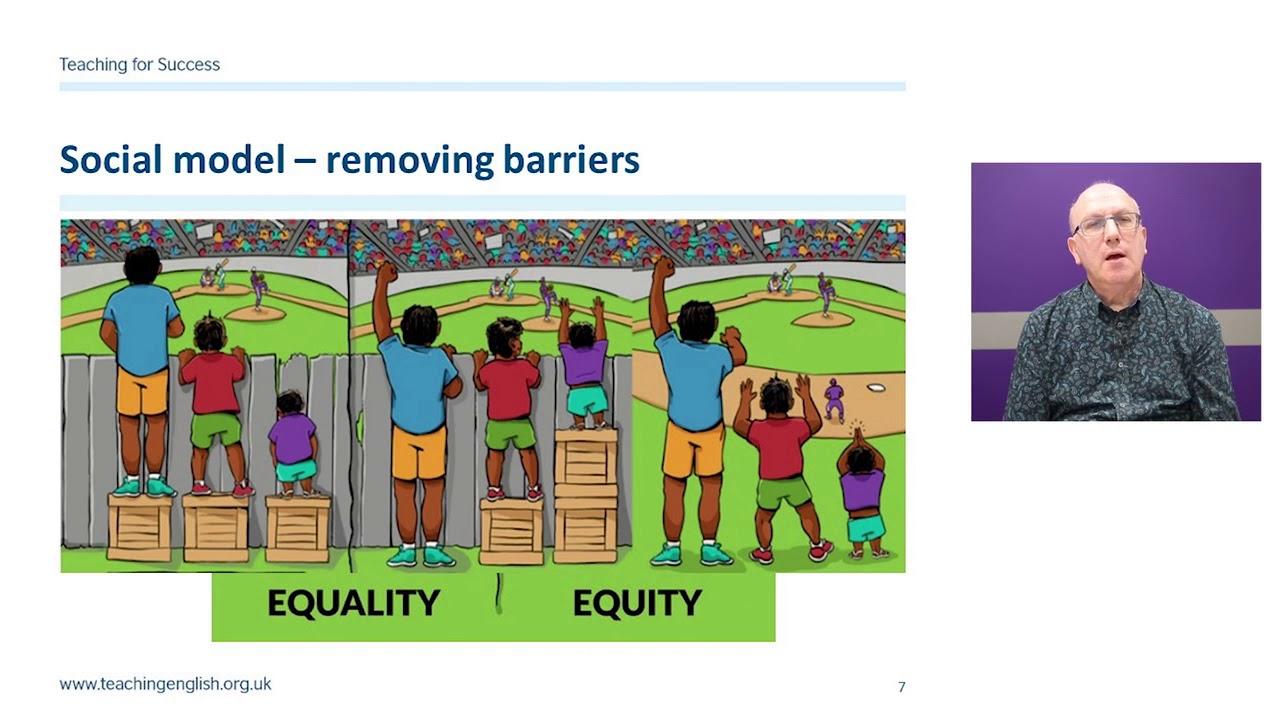
Inclusive teaching refers to educational methods that embrace the diversity of learners and ensure equitable opportunities for participation and success. It addresses barriers related to disability, language, culture, and socioeconomic status within the classroom. Rather than a one-size-fits-all approach, inclusive teaching practices foster a learning environment where every student is valued and supported.
The importance of Training Educators for Inclusion
Building an inclusive classroom requires more than good intentions; it demands targeted skills and knowledge. Educator training is essential to:
- Recognize and address diverse learning needs
- Reduce biases and stereotypes
- Implement adaptive curriculum and assessment
- Use effective classroom management techniques
- Foster a welcoming, respectful environment
Without comprehensive training, even passionate teachers may struggle to engage all students. That’s why investing in inclusive education professional advancement yields long-term benefits for both educators and learners.
Key Components of Effective Inclusive Teaching Training
An impactful inclusive teaching training program for educators should include the following components:
1. Understanding Diversity and Inclusion
- Workshops on identity, culture, and intersectionality
- Exploration of biases and their impact on teaching
- Sessions on disability awareness and accessibility
2. Universal Design for Learning (UDL)
- Principles of UDL for lesson planning
- Flexible teaching strategies and materials
- Use of technology to support diverse learners
3. Differentiated Instruction Strategies
- Tailoring content, process, and product to learner needs
- Assessment modifications and alternatives
- Examples of differentiation in real classrooms
4. Social and Emotional Learning (SEL)
- Fostering emotional intelligence and empathy
- Building positive student-teacher relationships
- Creating supportive peer interactions
5. Collaboration and Co-Teaching
- Partnering with special educators, counselors, and families
- Effective team planning and communication methods
- Utilizing paraprofessionals in the classroom
Benefits of training Educators in Inclusive Teaching Practices
- improved student engagement and achievement
- Greater classroom harmony and reduced behavioral issues
- Enhanced problem-solving and critical thinking skills
- Equitable outcomes for students from all backgrounds
- Higher teacher satisfaction and reduced burnout rates
A well-trained educator can transform the entire school community, creating a safe and thriving learning environment for everyone.
practical Tips for Implementing Inclusive Teaching Training
Here are some actionable steps schools and districts can follow to nurture inclusive teaching skills among educators:
- Conduct Needs Assessments: Start by surveying teachers to identify gaps in knowledge and attitudes about inclusion.
- Offer Ongoing, Hands-on Training: Regular workshops, seminars, and in-class coaching yield better results than one-off events.
- Create Peer Mentoring programs: Pair experienced inclusive educators with colleagues for sharing strategies and support.
- Incorporate Reflective Practice: Encourage teachers to analyze their classroom experiences and adjust techniques accordingly.
- Utilize Inclusive Education resources: Provide access to toolkits, online courses, and recommended literature.
- Celebrate Success Stories: Recognize and reward progress in implementing inclusive practices.
Real-World Case Study: Introducing Inclusive Teaching in Elementary Schools
Maple Grove primary School embarked on a mission to improve inclusivity in their classrooms. they began by providing comprehensive training on universal design and differentiated instruction, involving both classroom teachers and support staff. Monthly reflection sessions allowed educators to share their experiences, discuss challenges, and brainstorm solutions collaboratively.
- Challenge: Teachers lacked experience adapting lessons for students with learning disabilities.
- Solution: The school partnered with a local university to offer targeted inclusive education courses and in-class coaching.
- Outcome: Within a year, the school saw improved test scores among students with IEPs, greater engagement, and a noticeable boost in staff morale.
This example demonstrates that with structured support and ongoing development, schools can foster a truly inclusive environment that benefits students and staff alike.
Firsthand Experience: Insights from an Inclusive Educator
“When I first started teaching, I worried I wouldn’t meet the needs of every student, especially those who struggled with reading or who spoke English as a second language. After taking part in inclusive teaching workshops and collaborating with special education teachers, I learned how to differentiate my lessons and use universal design principles. Today, I see every student as capable—with the right support. Training didn’t just change my teaching; it changed my whole outlook on education.”
—Samantha,4th Grade Teacher
Common Challenges and How to Overcome Them
- Resistance to Change: Some educators might potentially be wary of adopting new practices. Organize open forums, share research, and highlight success stories to build buy-in.
- Lack of Time and Resources: Integrate training into existing professional development schedules and utilize free online resources where possible.
- Limited Administrative Support: Encourage school leaders to champion inclusion and allocate dedicated funding for professional development.
- Ongoing Assessment: Regularly evaluate the effectiveness of training programs and adjust methodologies to match evolving needs.
Inclusive Teaching Training: Best Practices for School Leaders
- involve All Stakeholders: Include not just teachers, but also administrators, parents, and students in the planning and implementation process.
- Set Clear, Measurable Goals: Define specific outcomes for your inclusive teaching initiatives.
- Embrace a Growth Mindset: View challenges as opportunities for learning and improvement, not as roadblocks.
- Promote a Culture of Continuous Learning: Ensure that professional development for inclusion is not a one-off event but an ongoing journey.
Conclusion: Building a Future-Ready, Inclusive Classroom
Training educators for effective inclusive teaching practices is more than a professional obligation—it’s a commitment to every child’s right to learn and succeed. With thoughtful, comprehensive professional development programs, teachers gain the confidence, skills, and perspective needed to make inclusion a reality. By cultivating an inclusive mindset in schools, we create a positive ripple effect that empowers students, enriches communities, and prepares learners for a diverse world.
Investing in inclusive education is investing in the future.Let’s work together to ensure every classroom is a place where all students belong and thrive.